Usuba
Usuba
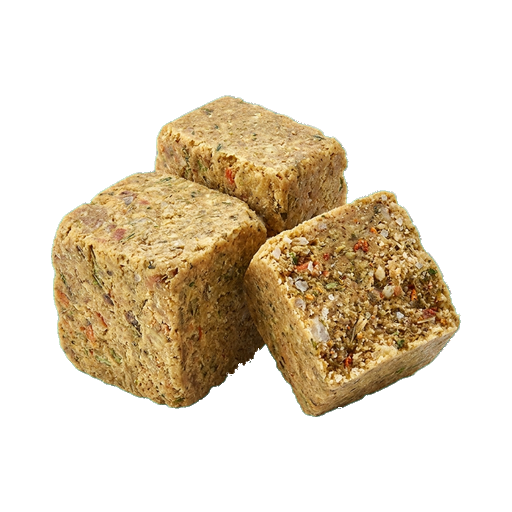
Bouillon cube
A compressed concentrate of dried meat, vegetables, spices, and salt that dissolves in hot water and quickly imparts rich flavor and aroma to a dish. Cubes are convenient for preparing soups, sauces, and stews when there's no time for simmering a full broth. When selecting, pay attention to the composition — quality cubes contain natural ingredients without excess flavor enhancers, and when substituting, keep in mind that different types (beef, chicken, vegetable) provide different flavor notes.
About
A bouillon cube is a compressed mixture of dried meat, vegetables, spices, and salt that dissolves in hot water and transforms plain liquid into aromatic broth in just a minute. The convenience of this product is obvious: there's no need to spend hours boiling bones and meat when you have a ready-made solution at hand. But convenience is not the only advantage.
Taste and Aroma
A good bouillon cube delivers several layers of flavor at once. The foundation is concentrated meat or vegetable flavor, which creates a sense of depth. On top of it lie notes of onion, garlic, parsley, and other aromatic herbs. All of this works not as separate components, but as a unified whole — moderately salty, slightly piquant, ready to become the foundation for soup, sauce, or stew.
The intense flavor of the cube means that one piece is enough for one and a half to two liters of liquid. It's economical and gives you control: if you want a more saturated flavor, you add a whole cube, and if you need a more delicate approach, you use half.
Where and how to use
The first obvious role is as a base for soup. The cube dissolves in boiling water, and you already have a broth ready for noodles, cabbage soup, or borscht. But that's not where its use ends. The cube works in sauces, giving them meatiness and roundness. You can dissolve it in a small amount of water and use it for stewing vegetables or meat — this way the dish gains an additional layer of flavor.
- Soups and borscht — the cube dissolves directly in boiling water
- Sauces and gravies — adds depth and meaty flavor
- Stewing — the cube in a small amount of water for vegetables or meat
- Rice and cereals — use broth from the cube instead of water
- Marinades — half a cube dissolves in vinegar and oil
What to pay attention to when choosing
Composition is key. Look for cubes where the main ingredient is truly meat or vegetables, not starch and flavor enhancers. A good cube should be dense, without cracks, and make a dry sound when squeezed. If the cube crumbles or looks wet, it's a sign of improper storage.
A variety of options helps you find the right taste: chicken cubes are lighter and more delicate, beef cubes are more rich, vegetable cubes are suitable for vegetarian dishes. Some manufacturers offer cubes with added mushrooms, tomatoes, or spices — this expands the possibilities, but requires careful reading of the label to avoid adding unnecessary notes to the dish.
Storage and shelf life
Bouillon cubes are kitchen staples that last a long time. They should be stored in a cool, dry place, away from moisture and direct sunlight. A closed package or airtight container protects the cubes from absorbing foreign odors and moisture. When stored properly, a cube retains its properties for a year or sometimes longer, but it's best to use it within the first six months while the aroma is at its freshest.
If the cube has absorbed moisture and softened, but hasn't developed mold, it's still usable — it will just dissolve a bit slower. However, if you notice a musty smell or unusual color, it's better not to risk it.
Nutrition
per 100 g
- Calories
- 200 kcal
- Protein
- 10 g
- Fat
- 10 g
- Carbs
- 15 g
Measures and weight
- 1 pcs
- 10 g
Measure calculator
- Weight
- 100 g
- Calories
- 200 kcal