Usuba
Usuba
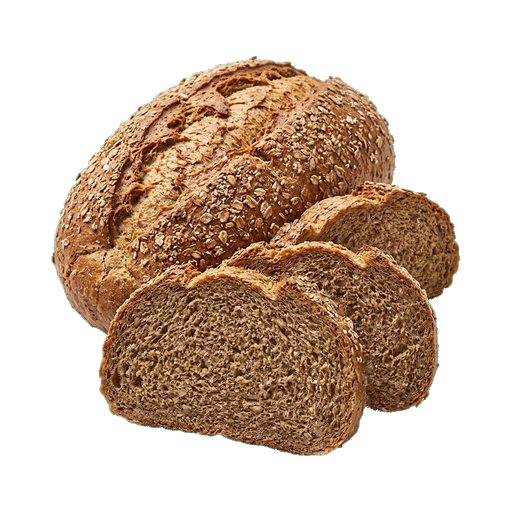
Bran bread
Bread baked with the addition of wheat or rye bran has a dense structure and a characteristic slightly bitter taste with nutty notes. Bran makes the crumb coarser and more fibrous, while the crust becomes crispier. This bread stays fresh longer, works well for sandwiches with butter, cheese, or cold cuts, and serves as a base for breadcrumbs and coating thanks to its density.
About
Bran bread is not just a dietary choice, but a full-fledged ingredient for the kitchen that changes the texture and flavor profile of any dish. Thanks to the large particles of bran, the bread acquires a characteristic nutty flavor, a dense crumb, and the ability to stay fresh longer. This makes it an indispensable helper for both simple sandwiches and more complex culinary solutions.
Taste and texture
Bran bread is distinguished by a more pronounced, slightly bitter taste compared to white bread. This is not a drawback, but a characteristic that helps it play an active role in a dish composition, rather than simply serve as a base. The crumb is denser, with visible inclusions, which creates an interesting contrasting texture with every bite.
The crust of such bread is usually crispier, which is especially valuable for toasts and croutons. The bread holds its shape well when sliced and doesn't crumble, making it convenient for sandwiches and canapés.
How to use in cooking
Bran bread works everywhere you need structure and a flavorful base. Sliced, it's ideal for open sandwiches with avocado, smoked fish, or sharp cheeses — the nutty note of the bread enhances their flavor. Toasted in butter, it turns into excellent croutons for soups.
- Toast with butter and pâté
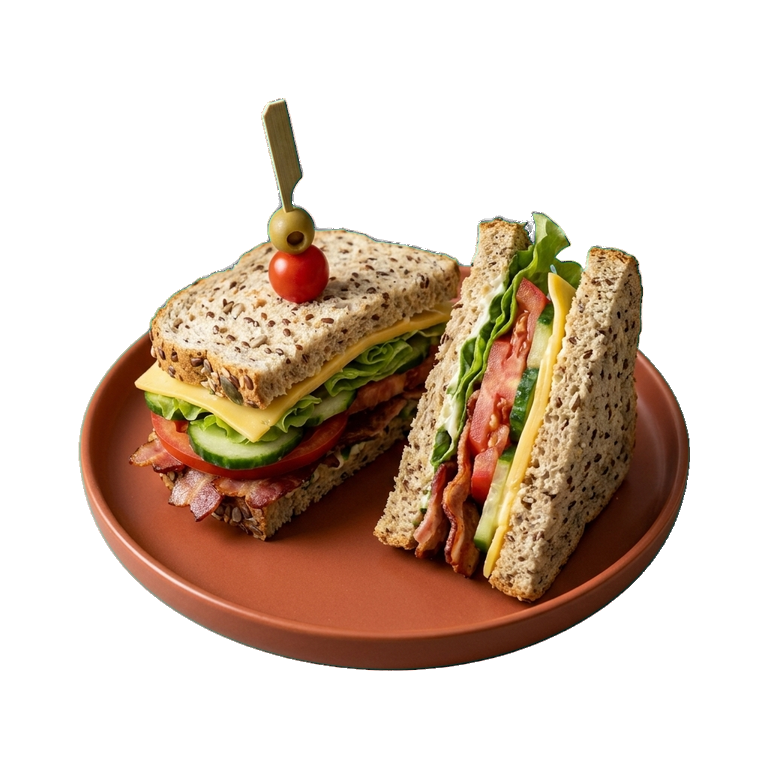
- Base for sandwiches with vegetables and meat
- Croutons and breadcrumbs for salads and soups
- Breading for cutlets instead of breadcrumbs
- Base for open appetizers and canapés
If breading is needed, bran bread can be dried and ground — it will give a more interesting, less neutral result than regular breadcrumbs. The crumbs adhere well to a moist surface and create an appetizing crust when frying.
Pairings and tips
The nutty flavor of bran bread pairs well with smoked meats, sharp cheeses, avocado, and oily fish. It stands up to bold sauces and seasonings, making it perfect for experimenting with spicy and aromatic fillings.
When choosing, pay attention to freshness — bread should be elastic, without any signs of mold. It keeps longer than white bread due to its density, but becomes harder in the refrigerator. It's best to store it in a bread box at room temperature, wrapped in paper or cloth.
If your bread starts to dry out, don't rush to throw it away — slice it, dry it in the oven and you'll get excellent croutons. Bran bread, due to its structure, handles this processing better than others.
Nutrition
per 100 g
- Calories
- 227 kcal
- Protein
- 8 g
- Fat
- 2.5 g
- Carbs
- 45 g
Measures and weight
- 1 slice
- 30 g
Measure calculator
- Weight
- 100 g
- Calories
- 227 kcal