Usuba
Usuba
Buckwheat flour
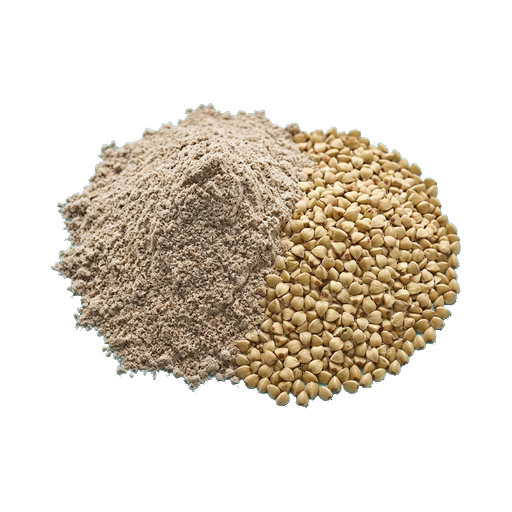
Buckwheat flour is made from ground buckwheat groats and has a characteristic nutty, slightly earthy flavor with a hint of bitterness. It is gluten-free, making it ideal for people with wheat flour intolerance, and is commonly used in pancakes, bread, baked goods, and porridge. When substituting buckwheat flour for wheat flour, keep in mind that the dough will become denser and more crumbly, so you may need to add more liquid or a binding agent.
About
Buckwheat flour is ground buckwheat grain that opens up completely different possibilities in the kitchen compared to the familiar buckwheat groats. When you grind the grains into flour, its rich, slightly nutty flavor emerges along with its ability to bind ingredients quite differently than wheat flour does. It's not just an alternative — it's a standalone product with its own character.
Taste and aroma
Buckwheat flour smells of earth and forest — it's not a perfume-like scent, but an honest, grainy one. To the taste, it's slightly bitter, with a pleasant nutty note that intensifies when heated. If you've ever eaten buckwheat pancakes, you know this taste: it's not as neutral as wheat flour, but that's precisely what makes dishes more interesting.
Where to use it
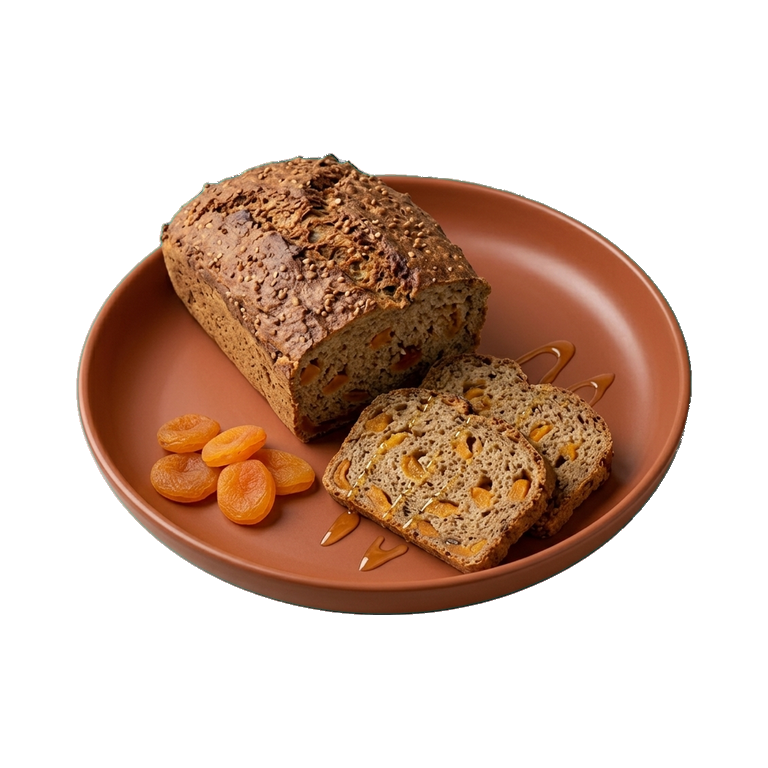
Buckwheat flour is excellent in pancakes, fritters, and dishes where its rich flavor is appropriate. It works great in baking combined with wheat flour — don't replace it entirely, but add 20–40 percent for an interesting flavor layer. It produces dense, slightly moist cookies and cupcakes with a pronounced character.
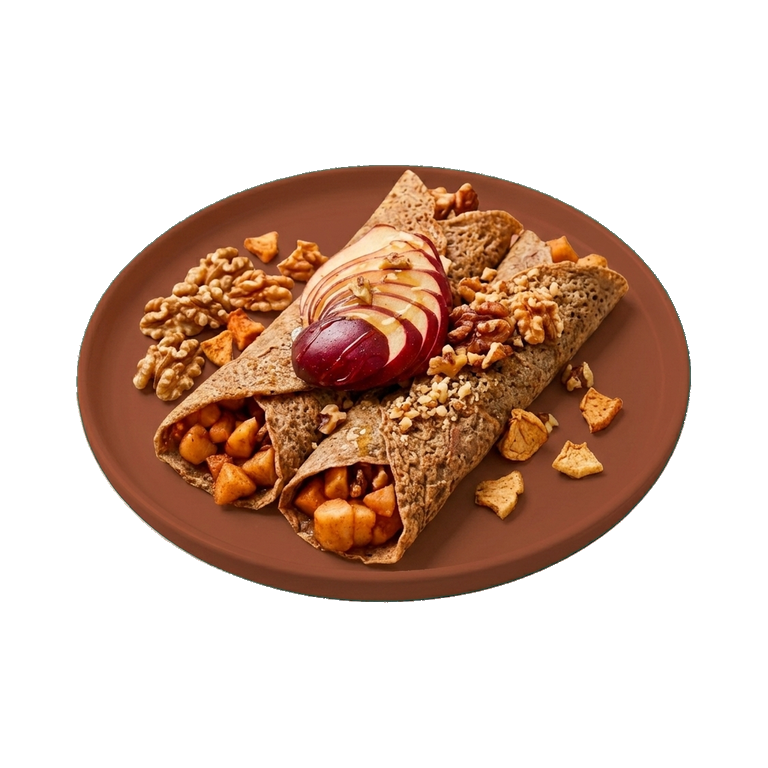
- Pancakes and fritters — a classic use where the taste of buckwheat is fully revealed
- Mixing with wheat flour in bread and buns for depth of flavor
- Cookies and cupcakes — here its density provides the necessary structure
- Breading for fish or poultry instead of regular flour
- Thickener for sauces and gravies
What pairs well
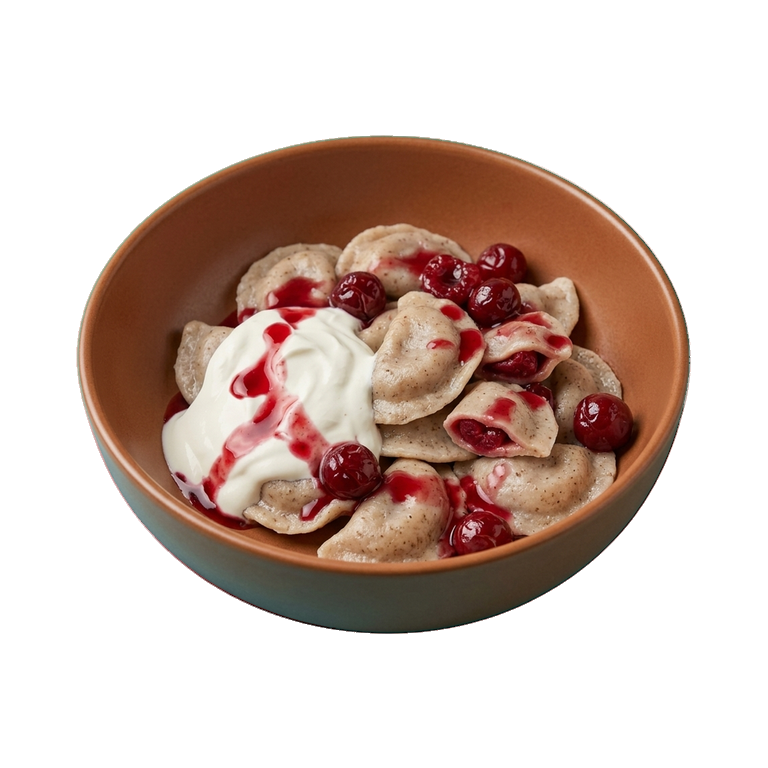
Buckwheat flour pairs well with fermented dairy products — kefir, yogurt, sour cream. Its nutty flavor is complemented by honey, vanilla, cinnamon, and black cumin. On the savory side, it works beautifully with onions, mushrooms, and herbs like dill or parsley. When you add it to a dish, think about enhancing its flavor rather than overpowering it.
Selection and Storage
When purchasing, pay attention to the color: flour made from light buckwheat will be creamy, while flour from dark buckwheat will be grayish-brown. Both are good, but dark buckwheat flour has a more pronounced flavor. Smell the flour if possible — it should smell like grain, not mustiness. Fresh buckwheat flour has a brighter aroma.
Buckwheat flour doesn't keep for long because it contains a lot of fats that oxidize. Store it in a tightly sealed container in a cool, dark place — ideally in a refrigerator or freezer. In the freezer, it keeps perfectly for several months, but at room temperature it starts to lose flavor after a month or two. Before using, let it warm to room temperature to avoid condensation.
Important note
Buckwheat flour is gluten-free, which makes it valuable for people with intolerance. However, it doesn't rise the same way as wheat flour, so baking often requires more leavening agents or eggs. If you're making something for the first time, start with a partial replacement of wheat flour — this will help you understand how the flour behaves in your recipes.
Nutrition
per 100 g
- Calories
- 353 kcal
- Protein
- 12.6 g
- Fat
- 3.1 g
- Carbs
- 69.3 g
Measures and weight
- 1 tbsp
- 9 g
- 1 tsp
- 3 g
- 1 cup
- 150 g
Measure calculator
- Weight
- 100 g
- Calories
- 353 kcal