Usuba
Usuba
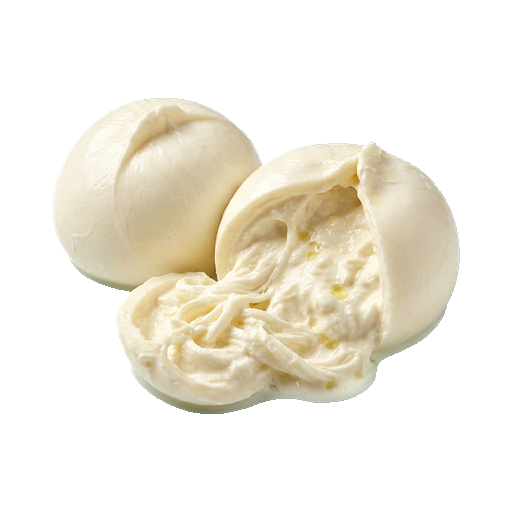
Burrata cheese
A delicate fresh cheese with a creamy filling of cream and thin strands of mozzarella inside. Burrata has a mild milky flavor with a barely noticeable tanginess and requires chilling before serving. Used in salads, on bruschetta, or with tomatoes, but is not suitable for heat treatment — add it to the dish at the last moment to preserve its delicate texture.
About
Burrata is a fresh cheese that can hardly be called ordinary. On the outside, it looks like a dense ball, but once you cut into it, a delicate creamy filling flows out from the center. This textural contrast is the main charm of burrata, and it is precisely because of it that the cheese has earned its place in kitchens around the world.
How Burrata is Made
The cheese consists of two parts. The outer part is a dense shell made of fresh mozzarella-like dough that holds its shape. Inside is hidden the filling: pieces of the same cheese mixed with cream. When you cut burrata, this creamy center falls out, creating the sensation of biting into a cloud.
Taste and Aroma
Burrata has a delicate and creamy taste, without sharp notes. The buttery filling gives it softness and oiliness. The aroma is barely perceptible, fresh, reminiscent of milk and cream. This is not an aggressive cheese — it is rather delicate and demands respect for its tenderness.
Where to use burrata
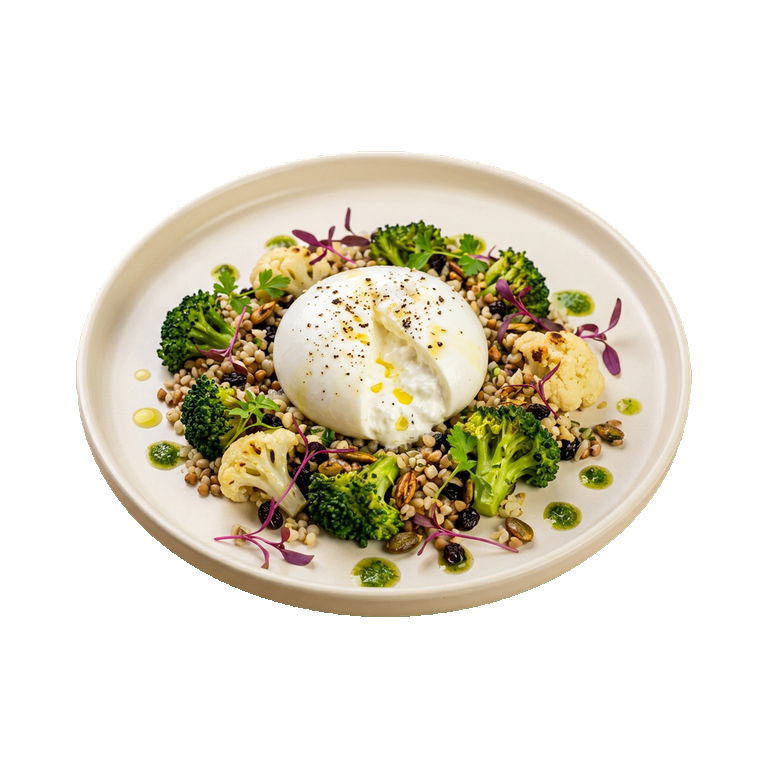
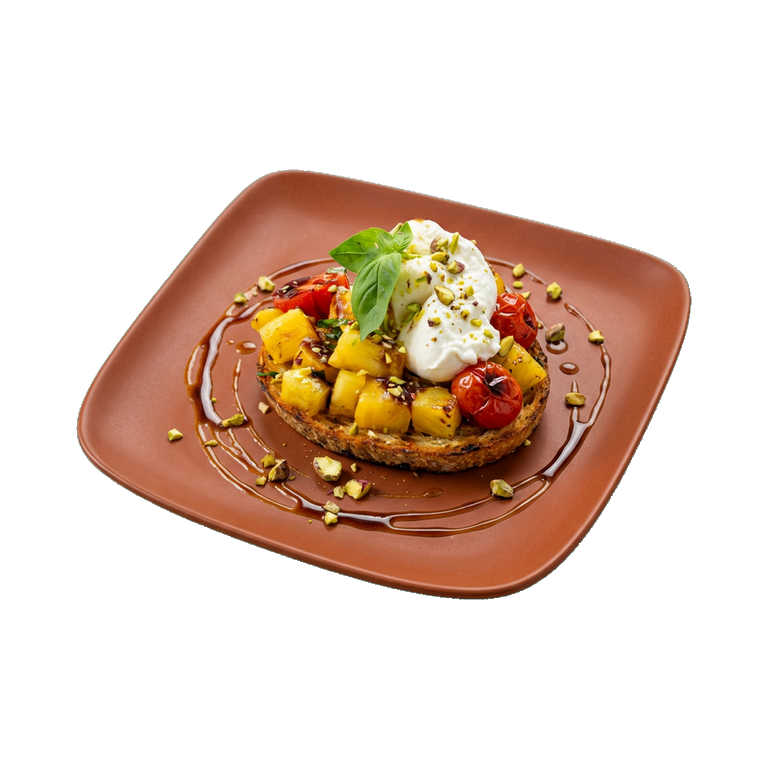
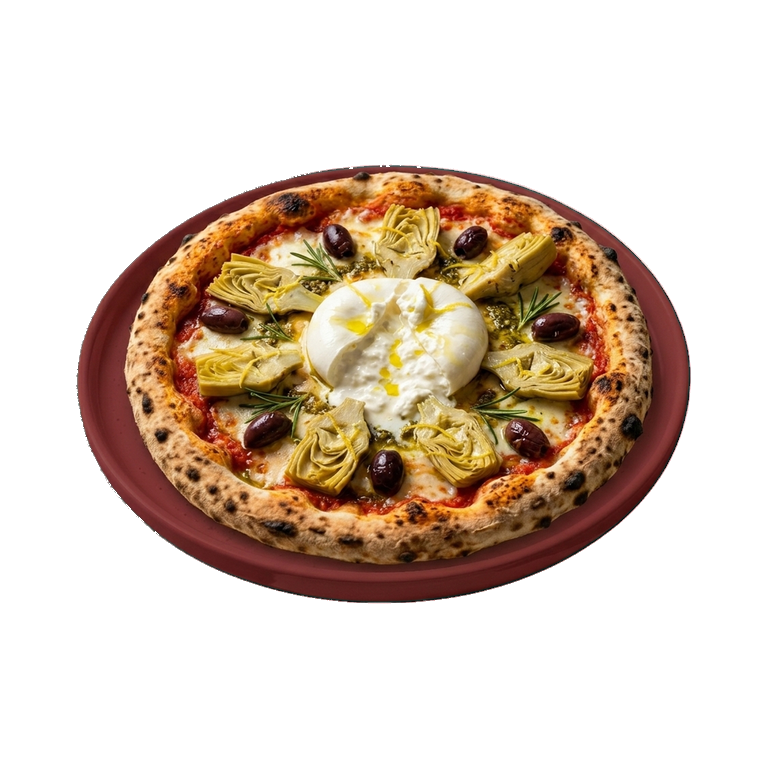
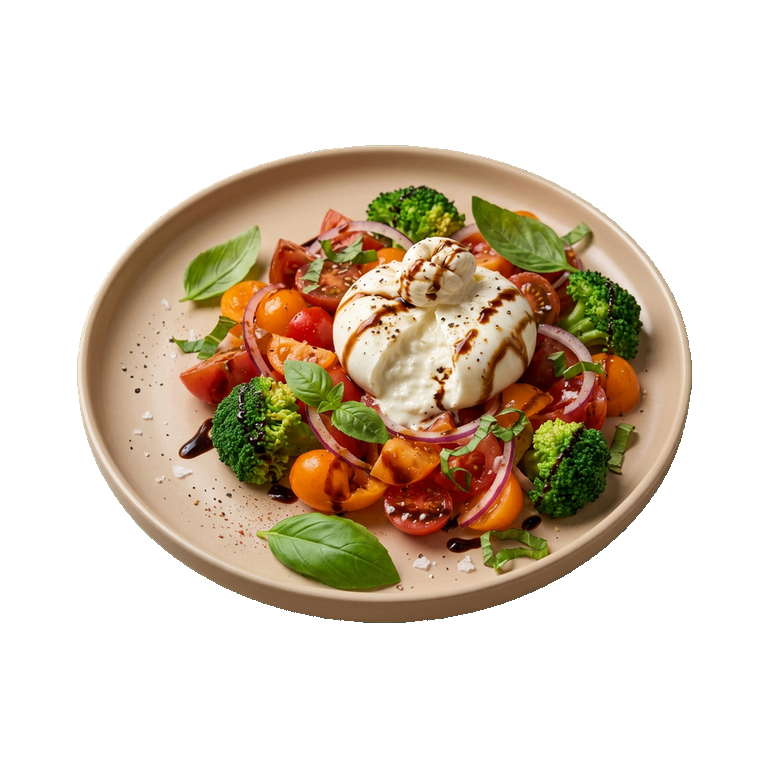
Burrata works best in simple dishes where it can shine. It is added to salads with tomatoes and fresh herbs, served with bread and olive oil as an appetizer. The cheese is excellent in pasta — its creamy filling becomes a natural sauce. You can serve it simply, with a pinch of salt and pepper, to experience all its delicacy.
Successful Combinations
- Tomatoes, basil and olive oil — a classic combination that highlights the freshness of the cheese
- Fresh berries and honey — an unexpected but harmonious pairing for dessert salads
- Prosciutto and arugula — burrata becomes the link between salty and bitter
- Lemon juice and black pepper — simple and elegant, if serving the cheese separately
- Pasta with light sauce — burrata filling melts in the hot dish, creating creaminess
How to choose and store
Burrata is a perishable cheese, so pay attention to the production date. Choose cheese that looks firm and smooth, without cracks on the surface. Buy it from trusted places that maintain the cold chain.
At home, burrata should be stored in the refrigerator at a temperature of 2–4 degrees Celsius, preferably in the original packaging with whey. The cheese cannot be frozen — it will lose its delicate structure. Use burrata within 2–3 days after purchase while it is at its freshest and creamiest. Before serving, remove the cheese from the refrigerator 15–20 minutes in advance so it can reveal its flavor.
Burrata is a cheese for moments when you crave something delicate and unusual. It requires no complex preparation and works beautifully with simple, quality ingredients. Try it in your dishes, and you'll understand why this cheese has become so beloved by culinary professionals.
Nutrition
per 100 g
- Calories
- 280 kcal
- Protein
- 18 g
- Fat
- 21 g
- Carbs
- 0.7 g
Measures and weight
- 1 pcs
- 150 g
Measure calculator
- Weight
- 100 g
- Calories
- 280 kcal