Usuba
Usuba
Canned tuna in oil
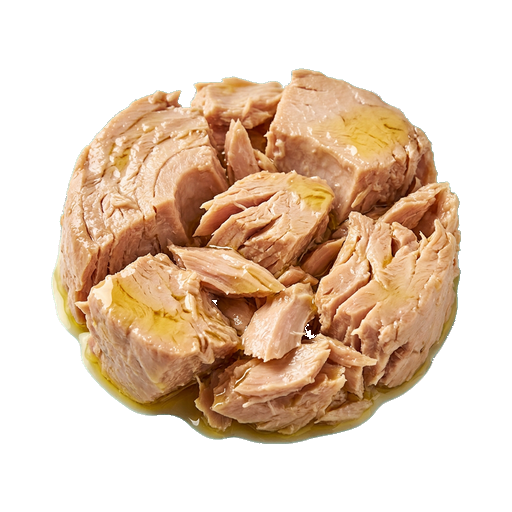
Canned tuna in oil is a ready-to-eat product made from white fish meat that retains a tender texture and mild fish flavor thanks to its oil packaging. It serves as a base for salads, pastas, sandwiches, and appetizers, while the oil from the tin adds richness to dishes. When selecting, pay attention to the ingredients: opt for tuna in olive oil without unnecessary additives, and you can drain the oil before use if you prefer a lighter version of your dish.
About
Canned tuna in oil is one of the most practical sources of protein in the kitchen. It is a ready-made ingredient that requires no prior processing and stores for months. A can of tuna solves the problem of being in a hurry: in five minutes you can assemble a full-fledged dish with good nutritional value.
Taste and Texture
The oil in which tuna is preserved is not just protection, but part of its flavor. It softens the fish, makes it less dry, and adds richness. Canned tuna itself has a dense, fibrous structure. The taste is pronounced, briny, without a sharp smell if a quality product is chosen. The oil absorbs the aroma of the fish and becomes the base for dressings and sauces.
How to use in the kitchen
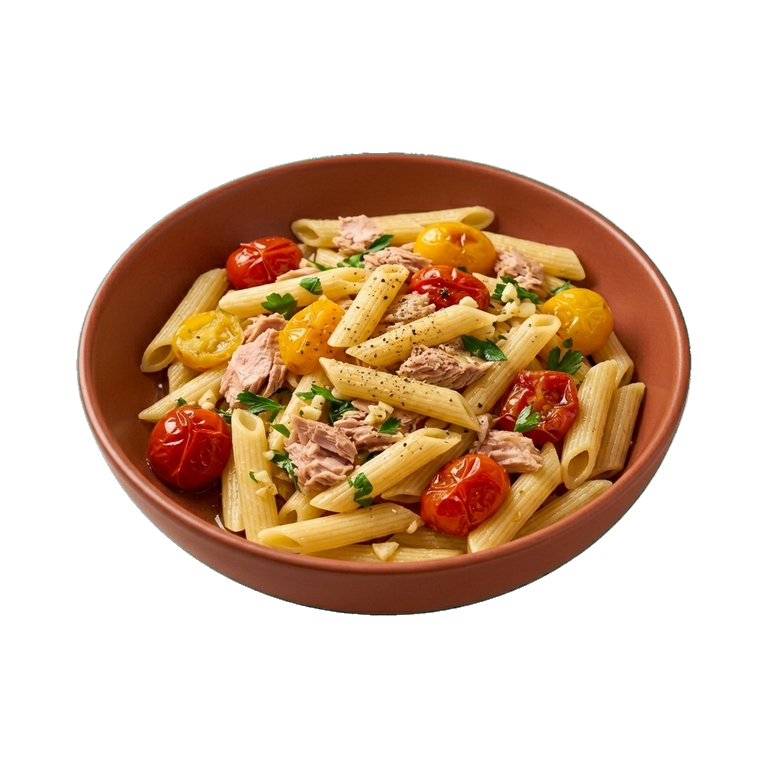
Canned tuna is versatile. It's added to salads — from simple tomato mixes to complex compositions. It goes into pasta, sushi rolls, and sandwiches. Tuna is used to make pâtés, pie and pancake fillings. Don't pour out the oil from the can: it works great in dressings and sauces, adding depth to them.
Successful Pairings
- With lemon and herbs — a classic duo that refreshes fish and highlights its flavor
- With tomatoes and red onion — the base for light summer salads
- With white beans — a hearty combination that works well in warm salads
- With avocado — a contrast of textures and flavors, ideal for appetizers
- With egg and potato — a classic trio for pâtés and salads
- With olives and capers — a Mediterranean accent that adds saltiness and piquancy
Selection and Storage
When purchasing, pay attention to the integrity of the can — dents and deformations are not acceptable. Check the packaging date and expiration date. Quality tuna should be firm, without any foreign odors. The oil inside the can — olive, sunflower, or other — affects the taste, so choose according to your preferences.
A sealed jar is stored in a cool, dark place for up to three years. After opening, transfer the remainder to a glass container, cover with oil, and keep in the refrigerator for no more than three days. If you opened the jar and use only part of the contents, the oil will protect the fish from oxidation and drying out.
Oil from canned tuna is not waste. Use it for salad dressing, making mayonnaise, or simply mix it with lemon juice and garlic for bread. This way you'll make the most of the can and won't lose any flavor.
Nutrition
per 100 g
- Calories
- 198 kcal
- Protein
- 23.7 g
- Fat
- 11.4 g
- Carbs
- 0 g
Measure calculator
- Weight
- 100 g
- Calories
- 198 kcal