Usuba
Usuba
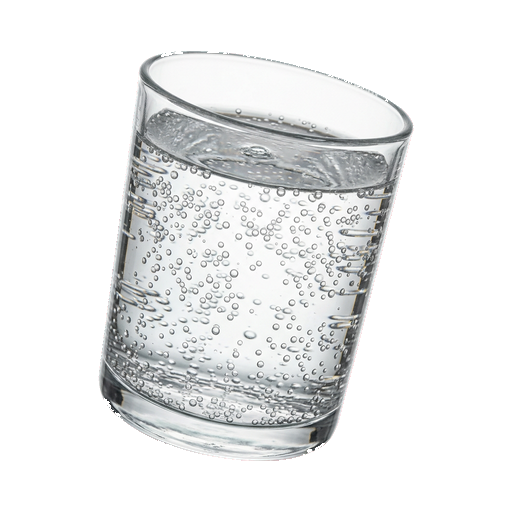
Carbonated water
Carbonated water is purified water saturated with carbon dioxide under pressure, which creates a characteristic tingling sensation on the tongue and a slight tartness. In cooking, it is used to prepare light cocktails and refreshing beverages, and is also added to batter for breading and baking to make them fluffier and airier. When choosing carbonated water, pay attention to the manufacturing date — fresh carbonated water better retains its bubbles, and it should be stored in the refrigerator in a tightly sealed container.
About
Sparkling water is not just a beverage, but a useful ingredient in the kitchen that is often underestimated. Its bubbles work for you in dough, cocktails, and even in sauces, adding lightness and airiness where it's needed. When you open a bottle, you get a tool for culinary experiments, not just a liquid to quench your thirst.
Role in baking and doughs
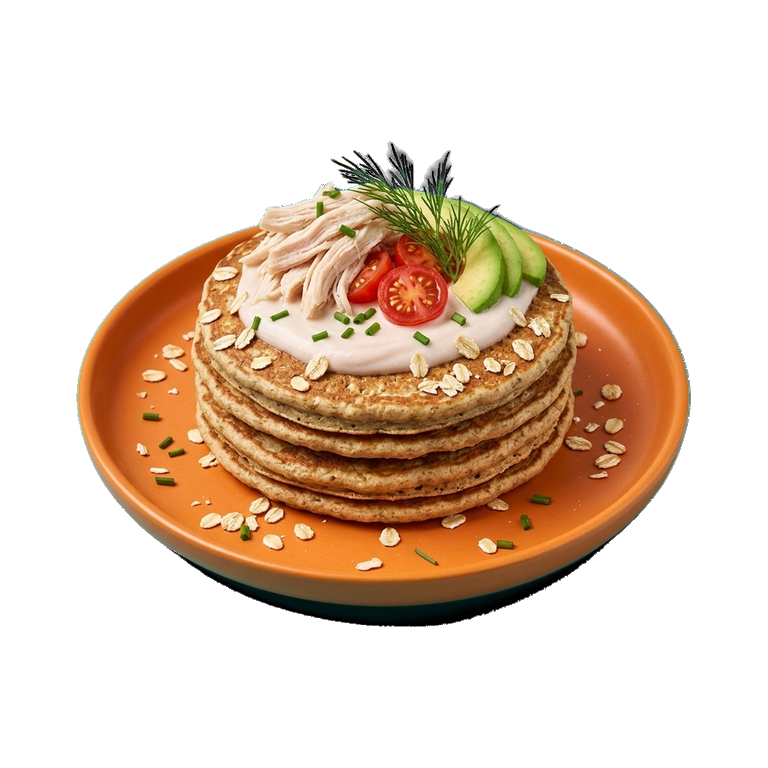
In dough, carbonated water works as a leavening agent. Carbon dioxide creates tiny bubbles that expand when heated and make baked goods more porous and light. This is especially noticeable in batter for fried foods — the coating becomes crispy and airy. Try replacing regular water with carbonated water in your pancake or waffle recipe, and you'll immediately feel the difference in texture.
Main rule: add carbonated water at the last moment before frying or baking while the bubbles are still active. If you let the batter sit, the effect will disappear and you will get an ordinary result.
In drinks and cocktails
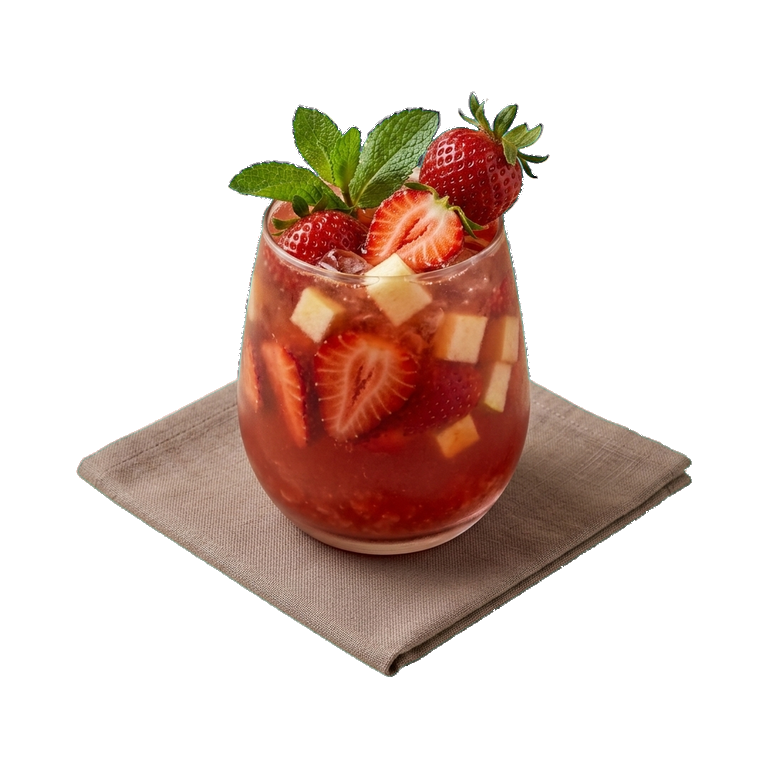
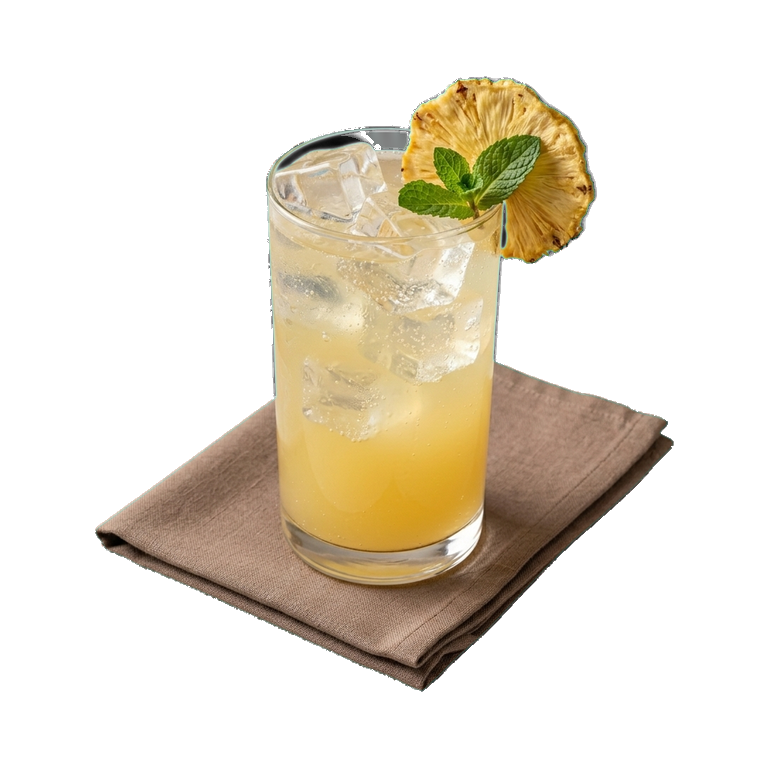
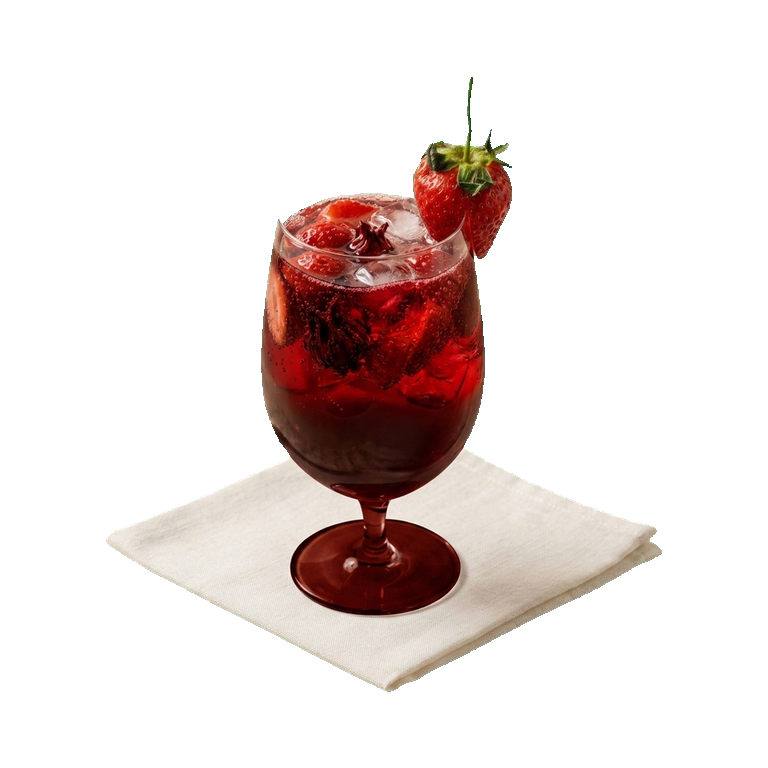
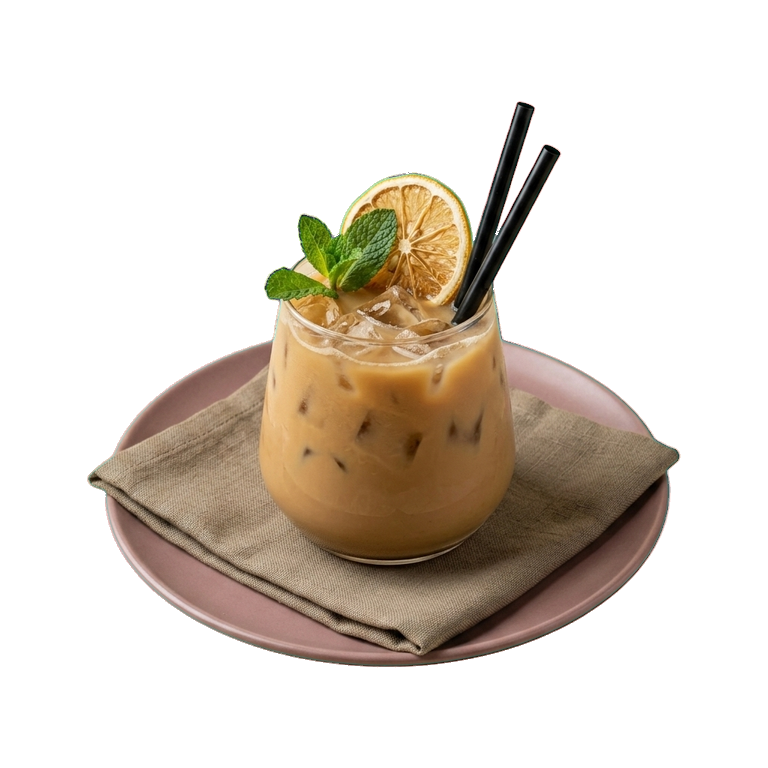
Carbonated water is the foundation for light cocktails and non-alcoholic mixes. It dilutes strong spirits without killing their flavor and creates a pleasant sensation on the tongue. Combined with fruit syrups, freshly squeezed juices, or herbal infusions, carbonated water transforms into an exquisite beverage that looks festive and refreshes on hot days.
Selection and Storage
For culinary purposes, choose plain carbonated water without additives and minerals — they should not affect the taste of your dishes. Check the release date: the fresher the water, the more carbon dioxide it contains. Keep an opened bottle in the refrigerator and use it within a few days before the carbonation fades.
If you often cook with sparkling water, it makes sense to have a home carbonation siphon for carbonating regular water — it's more economical and eco-friendly. The finished water from it works just as well as from a bottle, and it's always at hand.
Practical Tips
- Chill carbonated water before use — cold water retains more carbon dioxide
- For breading, mix carbonated water with flour right before frying
- In sauces, carbonated water helps create a lighter consistency and adds tenderness
- Do not use flavored and sweetened carbonated water for main dishes — only for beverages
Carbonated water is a simple, affordable, and versatile kitchen helper. It requires no special skills or expensive ingredients, yet the results often exceed expectations. Start with batter or light pancakes and gradually experiment further.
Nutrition
per 100 ml
- Calories
- 0 kcal
- Protein
- 0 g
- Fat
- 0 g
- Carbs
- 0 g
Measures and weight
- 1 tbsp
- 15 g
- 1 tsp
- 5 g
- 1 cup
- 250 g
Measure calculator
- Weight
- 100 g
- Calories
- 0 kcal