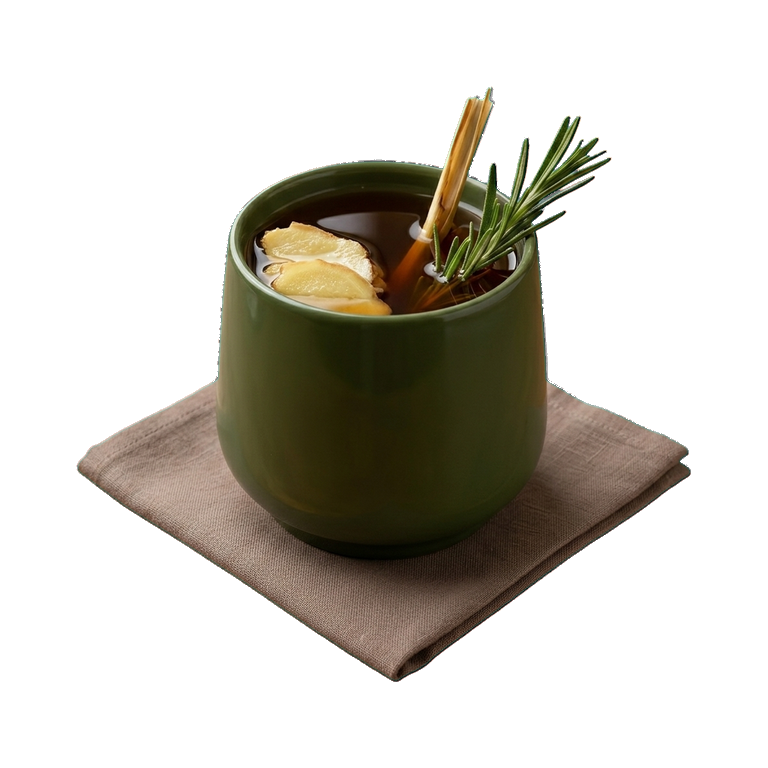
Usuba
Usuba
Tea
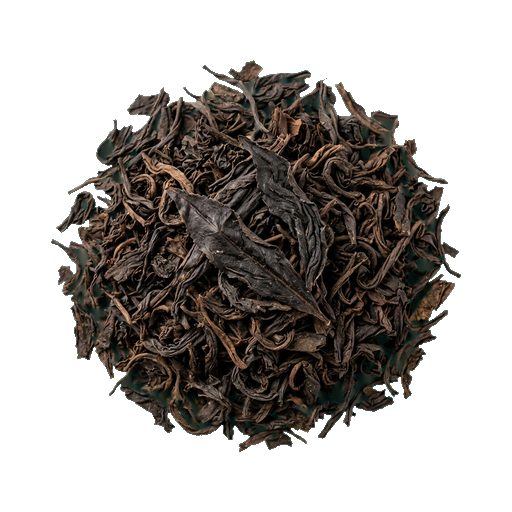
Tea is a beverage made from dried leaves of the tea plant, brewed with hot water and possessing a toning effect due to its caffeine content. In cooking, it is used as a standalone drink, as well as an ingredient for marinades, sauces, desserts, and baked goods, where it imparts a subtle astringency and aroma. When choosing tea, it is important to consider the degree of leaf oxidation — black tea delivers a rich flavor and dark color, green tea is fresher and more delicate, while herbal blends add specific notes depending on their composition.
About
Aroma and Taste
Tea is not just a hot drink, it's an entire palette of sensations. Black tea offers tannins and depth, with hints of wood and sometimes fruit. Green tea is fresh and herbaceous, with a light bitterness that fades into a sweet aftertaste. Oolong occupies the golden middle ground — flowering, fruity, and even creamy notes intertwine in it. White tea is delicate, almost elusive, with a delicate sweetness. Each type unfolds anew depending on water temperature and brewing time.
Role in dishes and drinks
In the kitchen, tea works not only as a standalone beverage. It is used for making sauces, marinades, and glazes — strong black tea gives meat depth, while green tea adds lightness to fish dishes. Tea leaves become an ingredient in desserts: mousse, panna cotta, even cookies acquire a subtle aromatic note. Cold tea is the base for cocktails and refreshing drinks in summer.
Selection and Brewing
Tea quality depends on the integrity of the leaves. Large leaves and buds indicate a good harvest, while dust and crumbs are a sign of poor quality. Freshness is also important: it's better to buy tea in small portions and store it in an airtight container, away from light, heat, and foreign odors.
Proper brewing is an art. Black tea requires water around 95°C and 3–5 minutes. Green tea is more delicate: 70–80°C and 2–3 minutes so it doesn't become bitter. Oolong unfolds at 85–90°C for 3–5 minutes. White tea is the most tender: 60–70°C and just 2–3 minutes. Quality tea can be brewed multiple times, and each infusion will differ in depth and flavor nuances.
Pairings and Storage
- Black tea pairs well with milk, lemon, honey and spices — cinnamon, cardamom, clove
- Green tea opens up with mint, jasmine, lemongrass, ginger
- Oolong is ideal as a standalone drink or with light snacks
- White tea is best not overloaded — maximum flowers or fruits
Store tea in a tightly sealed container made of glass, ceramic, or tin — metal and plastic can impart odors. Keep it at room temperature, in a dry place, away from kitchen aromas and sunlight. Under these conditions, tea retains its qualities for months and even years, although it is best consumed within the first six months after purchase.
Nutrition
per 100 ml
- Calories
- 1 kcal
- Protein
- 0.1 g
- Fat
- 0 g
- Carbs
- 0.2 g
Measures and weight
- 1 tbsp
- 15 g
- 1 tsp
- 5 g
- 1 cup
- 250 g
Measure calculator
- Weight
- 100 g
- Calories
- 1 kcal