Usuba
Usuba
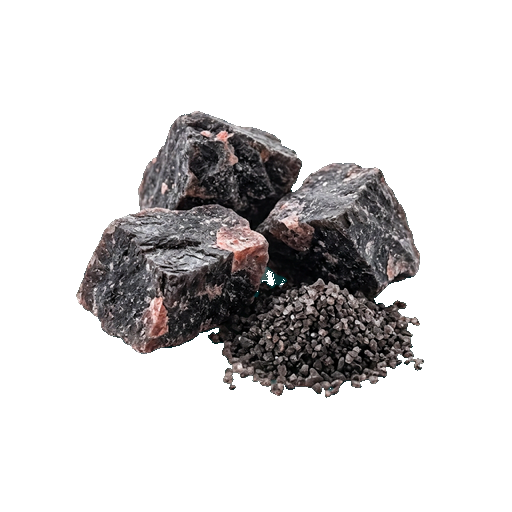
Black Salt
Black salt is a mixture of sea salt and activated charcoal that gives dishes a dark color and a subtle sulphurous aroma with iodine notes. It is primarily used as a decorative element for plating dishes, including desserts and cocktails, as well as in some Asian cuisines to impart a distinctive flavor. When substituting regular salt, keep in mind that black salt is more delicate in terms of salinity, so you may need to use more of it.
About
Black salt is not just a seasoning, but an entire spectrum of mineral nuances in your kitchen. This name conceals several completely different products, each with its own character and purpose. One has a sulfur aroma and an iron-like aftertaste, another has a mineral bitterness and delicate texture. It's worth understanding them because they work differently in dishes and require different approaches.
Aroma and taste: what you will feel
Hawaiian black salt (enriched with activated charcoal) provides a subtle mineral background without sharp notes. Its taste is calm, salty, with a barely perceptible sweetness. This salt is excellent when you need pure flavor without distracting aromas.
Indian black salt (kala namak) is quite a different matter. It smells of sulfur, eggs, and has a subtle hydrogen sulfide note. The taste is salty, but with a distinct bitterness and minerality. This is not for delicate dishes, but for those seeking expressiveness and depth.
Black salt of volcanic origin (for example, from Iceland or Hawaii) often contains volcanic ash and minerals. It can give a slight smoky flavor, bitterness, sometimes a hint of iron. The texture is usually more brittle, with irregularly shaped crystals.
Where and how to use it
Hawaiian black salt is added at the final moment — on avocado, in salads, on fish and seafood. Its black color creates contrast and looks striking. It works as a finishing salt, not for cooking or frying, because it loses its appeal when heated.
Kala namak goes into vegan dishes where an egg flavor imitation is needed — in tofu scramble, vegan omelet, salads. Its hydrogen sulfide aroma gives the sensation of egg. It is also added to sauces, marinades, and seasonings. A teaspoon can be added to vegetable soup for depth.
Volcanic black salt is great for meat, especially steaks — its minerality emphasizes the flavor. It is generously sprinkled on top before serving. It also works well with grilled vegetables, smoked meats, and spicy dishes.
Selection and Storage
When choosing black salt, pay attention to the size of the crystals. Fine salt is suitable for sprinkling and garnishing, while coarse salt is better for use in sauces and marinades where it will dissolve. Check the packaging: the salt should be dry, without lumps or moisture.
Try before buying if possible. Different manufacturers give different flavor profiles even within the same category. If you're new to black salt, start with Hawaiian — it's milder and more versatile.
Store in an airtight container in a dry place. Black salt is hygroscopic and can absorb moisture, becoming lumpy. A glass jar with a tight-fitting lid is an ideal option. The shelf life is practically unlimited if water does not get inside.
Black salt is a tool, not a base. Its role in a dish depends on which one you choose and when you add it. Experiment: sprinkle it on a steak, try it in a salad, add it to a marinade. You'll quickly discover which salt becomes your constant kitchen companion.
Nutrition
per 100 g
- Calories
- 0 kcal
- Protein
- 0 g
- Fat
- 0 g
- Carbs
- 0 g
Measures and weight
- 1 tbsp
- 22.5 g
- 1 tsp
- 7.5 g
- 1 cup
- 375 g
Measure calculator
- Weight
- 100 g
- Calories
- 0 kcal