Usuba
Usuba
Cherry leaves
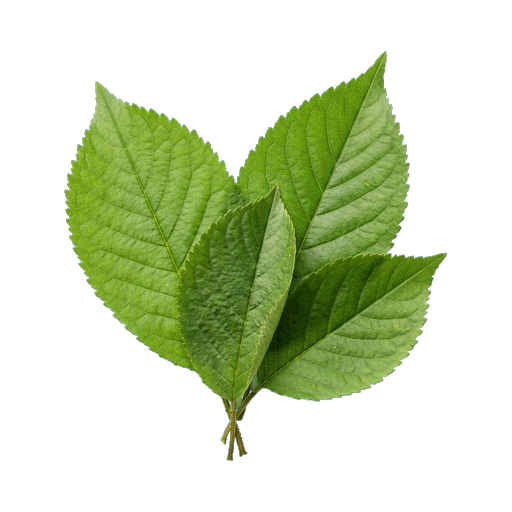
Young cherry leaves have a slightly astringent, herbaceous flavor with barely noticeable bitterness and a pleasant aroma. They are used for brewing teas, infusions, and compotes, as well as added during canning and pickling to impart piquancy and preserve the crispness of vegetables. When selecting, prefer fresh, tender leaves from spring harvesting, as they have a milder taste than summer leaves, which can be more bitter.
About
Cherry leaves are one of those ingredients that are easy to overlook if you don't know what to look for. They are not just raw plant material, but a full-fledged flavor element that works in cooking in several directions at once. Young, tender leaves with a characteristic almond aroma and a slight astringency transform an ordinary beverage or marinade into something more interesting and profound.
Aroma and Flavor Profile
Fresh cherry leaves have a subtle almond aroma with barely noticeable floral notes. When brewed, they impart a delicate astringency and a light bitterness to the water, which does not overpower but rather balances sweetness. Dried leaves concentrate these qualities, becoming more pronounced and persistent.
Where cherry leaves are used
- Teas and herbal infusions — primary use. Leaves are brewed separately or as part of herbal blends
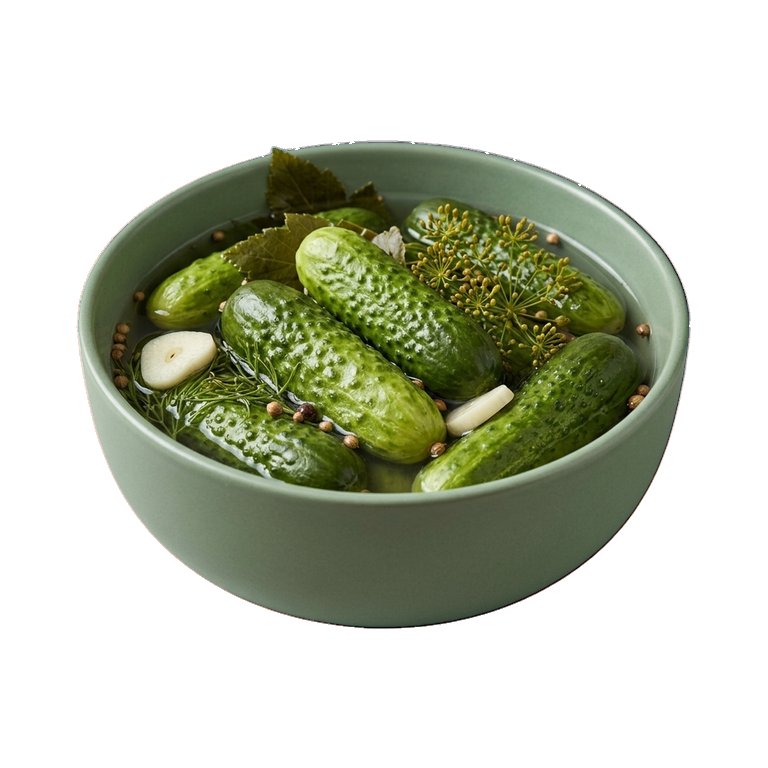
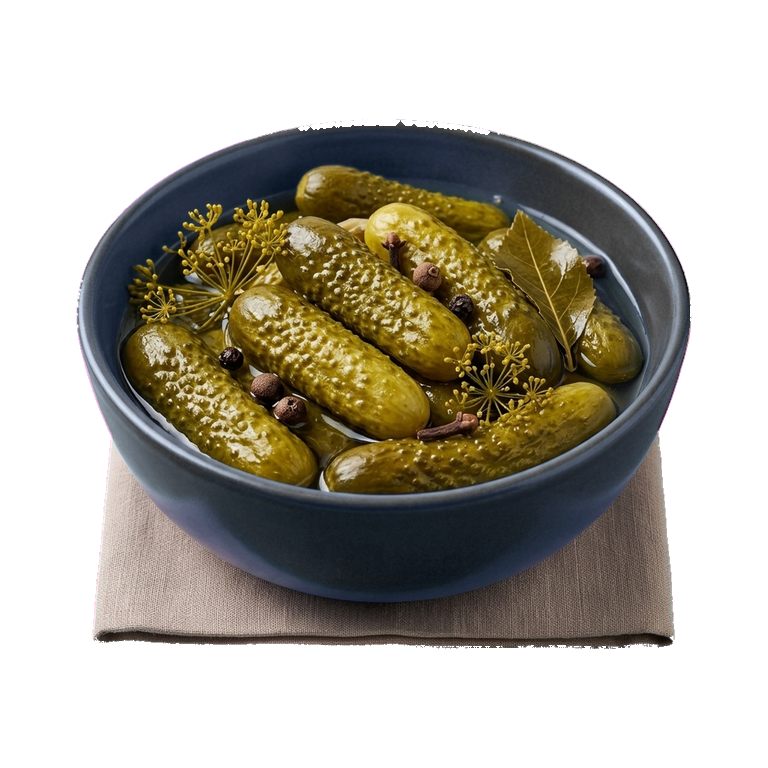
- Marinades for cucumbers, tomatoes and other vegetables — leaves add crunch and aroma
- Compotes and fruit drinks — especially good when canning with berries
- Tinctures and infused liqueurs — leaves add complexity to the taste of beverages
- Meat dishes — leaves can be added to broth or marinade for beef and poultry
How to Choose and Store
Fresh leaves are best harvested in early summer when they are young and tender. They should be green, without spots or damage. Dried cherry leaves are easier to find for sale — choose ones that have retained their green color and do not smell of mold or mustiness.
- Fresh leaves are stored in the refrigerator in a plastic bag or container for no more than a week
- Dried leaves are placed in an airtight container or glass jar, away from light and moisture — this way they will retain their aroma for several months
- Freezing is another option: leaves tolerate the freezer well in a bag or container
Helpful cooking tips
For tea, a handful of fresh leaves per teapot is enough — they don't require large quantities. When pickling, place the leaves at the bottom of the jar together with spices so they release their aroma into the brine. If you're making compote, add the leaves 5–10 minutes before the end of cooking so they don't overcook and lose their flavor. Cherry leaves pair well with lemon, ginger, black pepper, and other herbs — don't be afraid to experiment.
Nutrition
per 100 g
- Calories
- 30 kcal
- Protein
- 1.5 g
- Fat
- 0.3 g
- Carbs
- 5 g
Measures and weight
- 1 pcs
- 1.5 g
- 1 sprig
- 5 g
Measure calculator
- Weight
- 100 g
- Calories
- 30 kcal