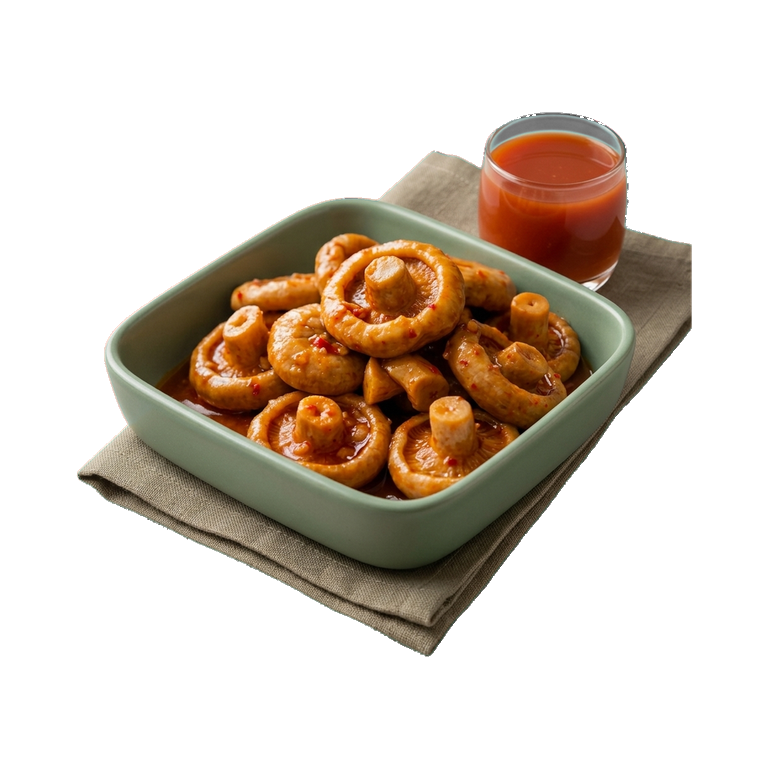
Usuba
Usuba
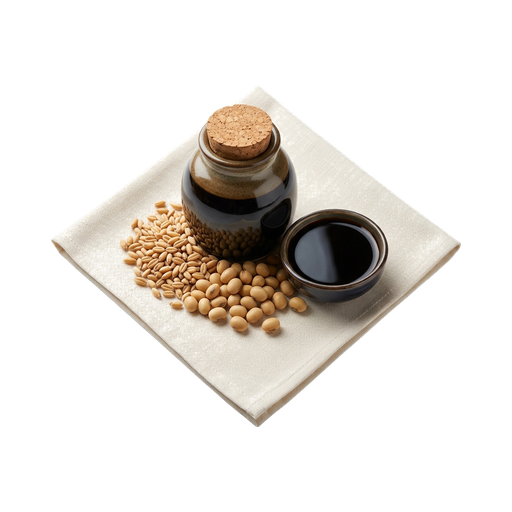
Chinese soy sauce
Chinese soy sauce is a dark liquid with a rich salty-umami flavor, made from fermented soybeans, wheat, and salt. It adds depth, saltiness, and a characteristic piquant aroma to dishes, and is used in marinades, sauces, soups, and for seasoning finished dishes. When choosing, pay attention to the composition — quality sauce contains only natural ingredients without added caramel and preservatives, and its consistency should be uniform without sediment.
About
Chinese soy sauce is not just a seasoning, but the foundation of flavor in Asian cuisine. Unlike its Japanese counterpart, it is more intense, with pronounced saltiness and deep umami. When you open a bottle, you notice an intense fermented aroma — this is the result of prolonged fermentation of soybeans and wheat. It is this complexity that makes it indispensable in marinades, sauces, and everyday dishes.
Taste and Aroma
The flavor profile here is much more aggressive than Japanese sauce. The first impression is a strong saltiness, but it reveals a slightly sweet undertone and subtle bitterness behind it. The aroma is fermented, almost bread-like, with notes of caramel. This multilayered complexity allows the sauce to work as a standalone condiment, rather than just salt with a hint of flavor.
Where and how to use
- Marinades for meat and poultry — the sauce penetrates deep into the fibers and gives a rich color
- Stir-fry in a wok — add at the end of cooking to preserve the aroma
- Soups and broths — a few spoonfuls create the foundation of umami
- Sauces and gravies — mix with ginger, garlic, and sesame oil
- Stewed dishes — the sauce becomes part of the gravy and enriches it
Chinese soy sauce is stronger than Japanese soy sauce, so start with a smaller amount. Half a teaspoon per serving will already have a noticeable effect. If you overdo it, the dish will become too salty and lose its balance.
How to Choose and Store
- Check the ingredients — a quality sauce contains only soybeans, wheat, salt, and starter culture
- Avoid sauces with hydrolyzed vegetable protein and artificial flavorings
- The color should be dark brown, almost black, and uniform
- The smell should be intense, fermented, without chemical impurities
Store in a dark place at room temperature — direct sunlight destroys flavor compounds. After opening, the bottle keeps for months or even years thanks to its high salt content. If the sauce starts to separate — this is normal, just shake it.
Chinese soy sauce works well with ginger, garlic, sesame oil, and rice vinegar. Together they create a classic Asian base for marinades and sauces. The sauce also pairs well with chili peppers and star anise — they enhance each other.
Nutrition
per 100 ml
- Calories
- 53 kcal
- Protein
- 8.1 g
- Fat
- 0 g
- Carbs
- 4.9 g
Measures and weight
- 1 tbsp
- 16.9 g
- 1 tsp
- 5.6 g
- 1 cup
- 282.5 g
Measure calculator
- Weight
- 100 g
- Calories
- 47 kcal