Usuba
Usuba
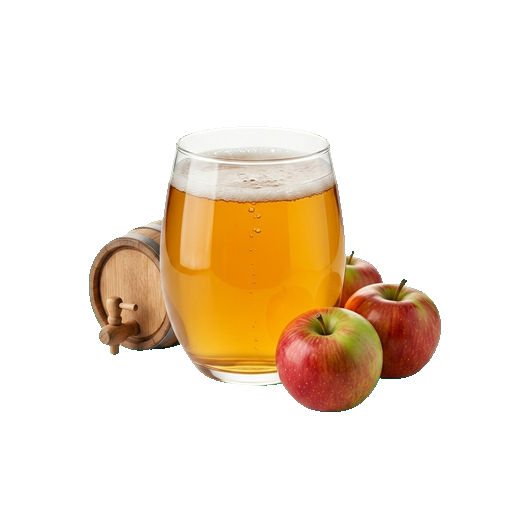
Cider
Cider is a low-alcohol beverage based on apple juice, produced through natural or controlled fermentation. It has a light acidity, fruity aroma, and varying degrees of sweetness depending on the variety and producer. In cooking, cider is used to prepare sauces for meat and poultry, marinades, and is also added to dough and desserts to impart a delicate apple flavor and tenderness.
About
Cider is a beverage that is easy to underestimate at first glance. It may seem like just apple wine, but in cooking it works quite differently. Mild acidity, delicate sweetness, and barely noticeable carbonation make it a versatile kitchen helper. Unlike strong spirits, cider doesn't overpower the taste of a dish, but rather complements and enhances it.
Taste and Aroma
The profile of cider depends on the variety of apples and the production method. Dry cider is almost not sweet, with a pronounced acidity — this is suitable for cooking where piquancy is needed. The semi-sweet option maintains a balance between fruity sweetness and acidity. The aroma can be floral, herbaceous, or with notes of ripe apple, pear, and sometimes even citrus. This is not just a drink for consumption — this is an ingredient with character.
Role in Dishes
In cooking, cider works as a deglazer — when you sear meat or vegetables and deglaze the pan, cider creates a sauce that doesn't overpower the main flavor. It's added to marinades for pork and poultry, to fish soups, to breading batter. The carbonation in cider helps preserve the lightness of a dish, especially if you're preparing something with a delicate texture.
- Marinade for meat — cider softens fibers and adds fruity notes
- Sauce for duck or goose — acidity balances richness
- Fish dishes — especially good with salmon and sea bass
- Batter for frying — makes it airier and adds a subtle tartness
- Compotes and syrups — enhances fruity flavor without excessive sweetness
Pairings with other ingredients
Cider pairs well with mustard, thyme, and rosemary — they enhance its fruity complexity. With garlic and shallots, it creates a classic base for sauces. Copper and honey highlight its natural sweetness. If you're cooking a dish with apples, pears, or carrots, cider becomes the perfect binding agent, bringing the flavors together into a harmonious whole.
Selection and Storage
For cooking, choose cider with an alcohol content of 4 to 7% — it evaporates well when heated and doesn't leave an alcohol aftertaste. Pay attention to the ingredient list: quality cider contains only apples, water, and yeast. Avoid beverages with artificial flavorings and thickeners.
Store an unopened bottle in a cool, dark place — a shelf in a kitchen cabinet away from heating pipes will work fine. Once opened, close the cider with a cork or cap and keep it in the refrigerator for no more than a week. If you use it often for cooking, it's more convenient to store a small amount in the refrigerator and keep the main supply in a cool place.
Tip: if the cider turned out too sweet but you want to use it, reduce it slightly on the stove — the sugar will caramelize and the flavor will become deeper and more interesting.
Nutrition
per 100 ml
- Calories
- 42 kcal
- Protein
- 0.1 g
- Fat
- 0 g
- Carbs
- 10.4 g
Measures and weight
- 1 tbsp
- 15.2 g
- 1 tsp
- 5 g
- 1 cup
- 252.5 g
Measure calculator
- Weight
- 100 g
- Calories
- 42 kcal