Usuba
Usuba
Citric acid
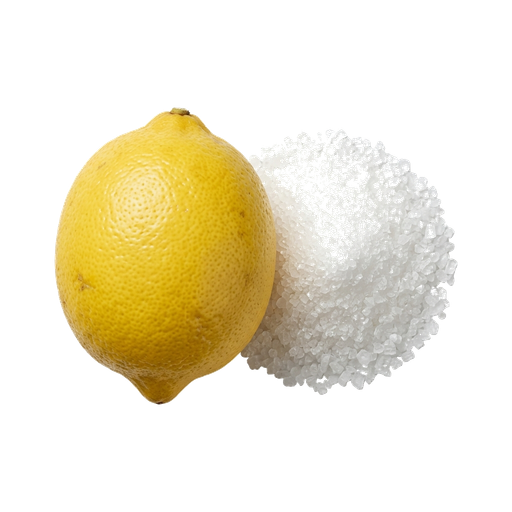
Citric acid is a white crystalline powder with a distinctly sour taste, derived from lemons or synthesized industrially. It is used in cooking to acidify dishes, marinades, beverages, and baked goods, as well as a preservative and leavening agent. When substituting with vinegar or lemon juice, keep in mind that citric acid is more concentrated — you will need less of it, and it will not add additional flavors, which is important for neutral dishes.
About
Citric acid is not just a sour powder in a packet. It's a universal kitchen helper that makes dishes brighter, preserves their freshness, and helps achieve the right consistency. Unlike fresh lemon juice, acid is concentrated and stable: it doesn't spoil during storage, doesn't require refrigeration, and works predictably.
Taste and culinary use
Citric acid gives dishes a clean, sharp acidity without bitterness or off-flavors. A pinch in a sauce or marinade enlivens the taste, highlights the aromas of other ingredients, and balances sweetness. It is praised in preservation: the acid protects canned goods, preventing the growth of harmful bacteria and preserving the vibrant color of vegetables.
- Marinades and sauces — add sparingly to avoid overdoing it
- Jams and preserves — helps them thicken and last longer
- Baked goods — reacts with baking soda, creating fluffiness
- Beverages and fruit drinks — adds freshness and the right tang
- Vegetable preservation — guarantees safety and taste
Dosage and usage tips
Citric acid is very concentrated, so start with small amounts. A quarter teaspoon per liter of liquid already gives a noticeable taste. If you need mild acidity, dissolve the acid in a small amount of water before adding it to the dish: this will distribute it more evenly. In baking, it's usually combined with baking soda — they react and create fluffiness, especially in cakes and pancakes.
Remember: acid enhances salt and spices. If you add it to a finished dish, do so at the end of cooking to control the result. Fresh lemon juice can be replaced with acid in the ratio of 1 tablespoon of juice = 1/4 teaspoon of acid, but the taste will be slightly sharper.
Selection and Storage
Citric acid is sold as a white crystalline powder, usually in small sachets. Choose from trusted manufacturers — quality directly affects the taste. Acid is stored almost indefinitely in a dry place at room temperature. The main thing is to protect it from moisture: keep the packaging tightly sealed, store it in a glass jar or container with an airtight lid. In a humid environment, the acid cakes and clumps, although it does not lose its beneficial properties.
Citric acid is an investment in stability and taste. A single packet will last for months, and its versatility makes it indispensable in canning, baking, and everyday cooking. Start with small doses, listen to your taste, and you'll find the perfect balance for your dishes.
Nutrition
per 100 g
- Calories
- 0 kcal
- Protein
- 0 g
- Fat
- 0 g
- Carbs
- 0 g
Measures and weight
- 1 tbsp
- 12 g
- 1 tsp
- 4 g
- 1 cup
- 200 g
Measure calculator
- Weight
- 100 g
- Calories
- 0 kcal