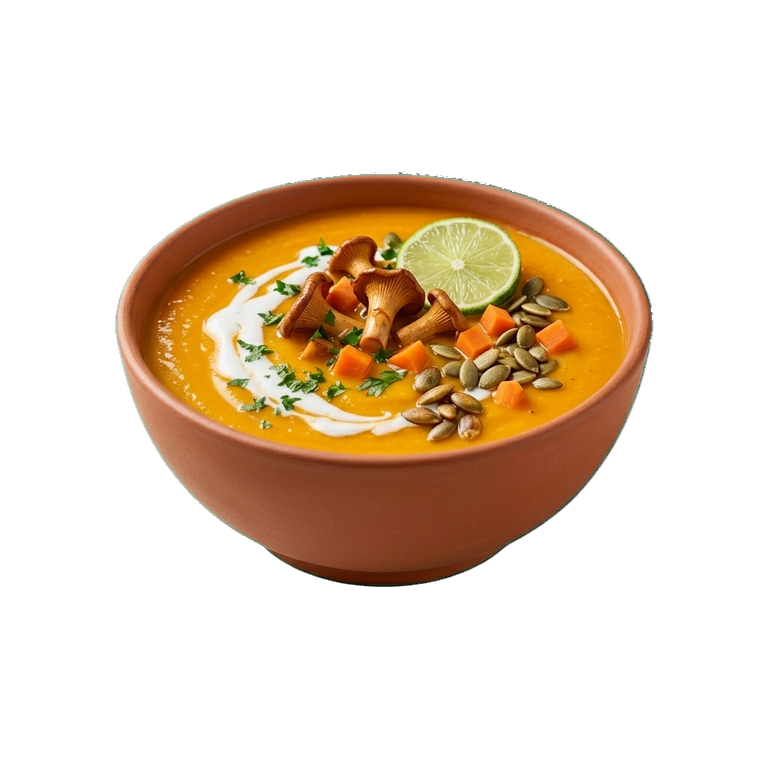
Usuba
Usuba
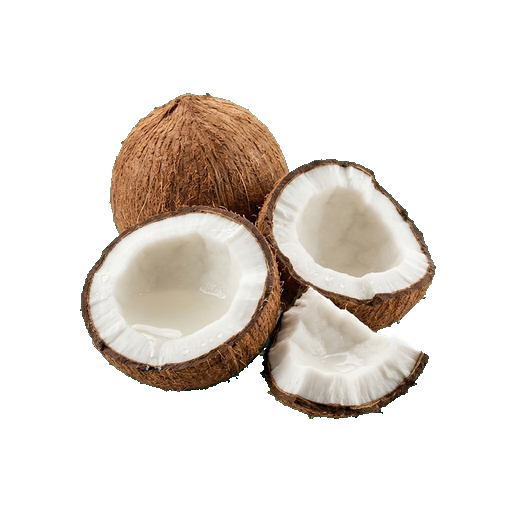
Coconut
Coconut is a tropical nut with a dense fibrous shell and white flesh inside, featuring a sweet, slightly nutty flavor and a distinctive creamy aroma. In cooking, it is used as fresh flesh, coconut milk, and coconut flakes, which are added to desserts, porridges, soups, and Asian dishes, giving them creaminess and depth of flavor. When choosing fresh coconut, pay attention to the weight of the fruit and the sound of liquid when shaken, while canned coconut milk should be selected without additives and emulsifiers.
About
Coconut is one of the most versatile ingredients in the kitchen. It's not just an exotic fruit, but a whole set of products: meat, milk, oil, juice, and even flour. Each of them opens up new possibilities in cooking, from sweet desserts to spicy sauces. It's no wonder that coconut is found in the cuisines of different countries — from Asian to Caribbean.
Taste and Aroma
Fresh coconut meat has a tender, slightly sweet texture with a delicate nutty flavor. Coconut milk is creamier and richer, with a distinct milky taste and subtle sweetness. Coconut oil has a more intense aroma: its fragrance is pronounced, almost vanilla-like, especially if it's unrefined oil. In finished dishes, coconut doesn't overpower other flavors; rather, it supports and softens them.
Where and how to use
Coconut milk is the base for curries, soups, and sauces. It absorbs spices well and creates a creamy texture without cream. Fresh coconut meat is added to smoothies, porridges, salads, and used in baking. Coconut oil is suitable for frying over medium heat, adding to dough or coffee. Coconut flour is an alternative to wheat flour for those watching their carbohydrate intake.
Successful Combinations
- With spices: turmeric, ginger, cardamom, chili
- With seafood: shrimp, fish, squid in coconut sauces
- With tropical fruits: mango, pineapple, papaya in desserts
- With herbs: lime, lemongrass, basil, coriander
- With rice: in risotto or as a side dish to curry
Selection and Storage
Coconut milk in cans or cartons should be homogeneous, without separation (although slight fat separation is normal). Check the production date — the fresher, the better. Choose unrefined cold-pressed coconut oil if you want a pronounced flavor and more health benefits. Buy coconut flour in small quantities — it quickly absorbs moisture.
Coconut milk in an open can should be stored in the refrigerator for 3–5 days. Keep the oil in a cool place or refrigerator — it may harden, but that's not a problem. Store coconut flour in an airtight container away from moisture. Use fresh coconut meat within a few days after opening the nut.
Practical tip
If coconut milk is too fatty for your dish, dilute it with water or broth. For a creamier consistency, use only the top layer from the can — it has more fat. When working with coconut flour, remember that it absorbs liquid more strongly than wheat flour, so you may need more moisture in the dough.
Nutrition
per 100 g
- Calories
- 354 kcal
- Protein
- 3.3 g
- Fat
- 35.3 g
- Carbs
- 15.2 g
Measures and weight
- 1 pcs
- 400 g
Measure calculator
- Weight
- 100 g
- Calories
- 354 kcal