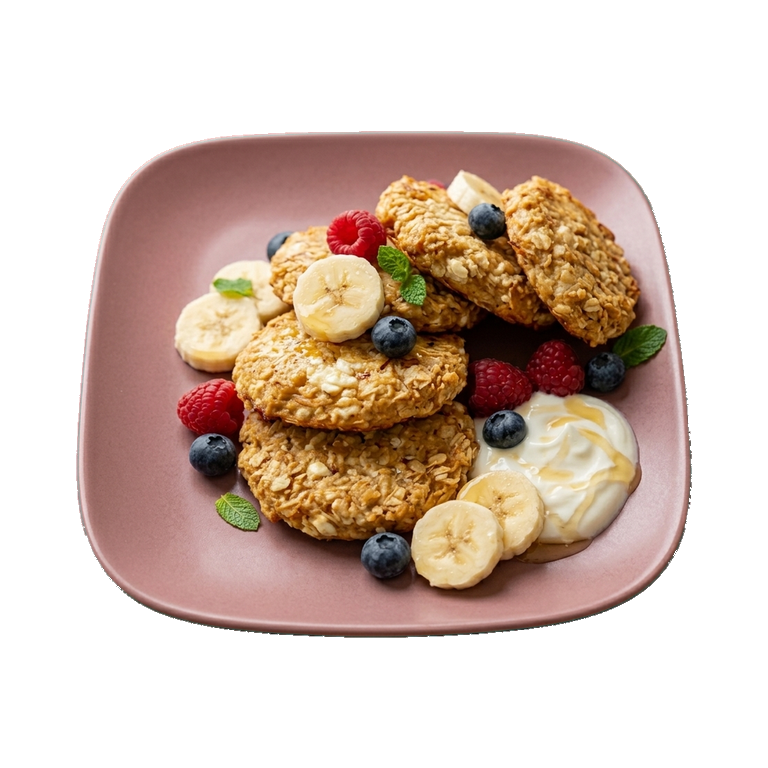
Usuba
Usuba
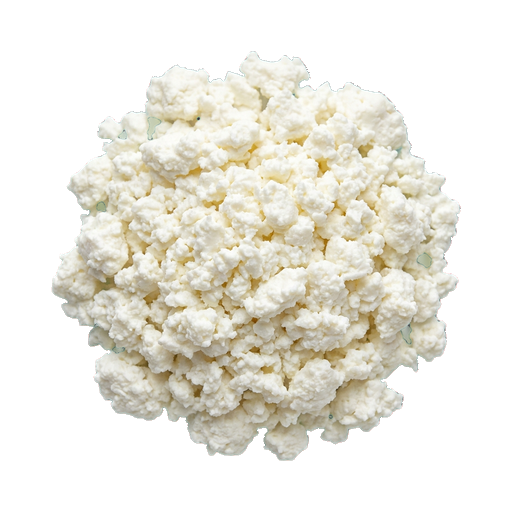
Low-fat cottage cheese
Diet cottage cheese is cottage cheese with minimal fat content, typically no more than 1–3%, obtained through milk separation or defatting regular cottage cheese. It retains high protein and calcium content while remaining low in calories, making it a popular choice for sports nutrition and dietary menus. When selecting, it's important to pay attention to the production date and consistency — quality diet cottage cheese should be uniform and slightly moist, without excessive dryness or lumps.
About
Diet cottage cheese is cottage cheese with minimal fat content, usually no more than 1–2%. It is produced by more careful separation of whey, which makes the product less caloric while retaining its main nutritional value: protein and calcium. It is not just a lighter version of regular cottage cheese, but a full-fledged ingredient that works in the kitchen according to its own rules.
Taste and texture
Diet cottage cheese has a more neutral taste compared to fatty cottage cheese. The dairy sweetness is less pronounced, but you can feel pure fermented milk notes. The texture is often more grainy and crumbly — the cottage cheese breaks down into granules more quickly. This is not a drawback, but a characteristic: such a structure better absorbs moisture and flavors of additives.
Where and how to use it
Dietary cottage cheese works well in sweet dishes where the taste is masked or complemented by other ingredients. Cottage cheese casseroles, syrniki, cottage cheese paste with berries, yogurt blends — these are its domain. In such dishes, low fat content even helps: cottage cheese doesn't "overpower" the taste, allowing fruits, vanilla, and honey to shine brighter.
- Cottage cheese casseroles and puddings
- Syrniki (need a bit more binder so they don't fall apart)
- Cottage cheese spreads and pastes with additives
- Filling for pancakes and pies
- Base for cottage cheese desserts and cheesecakes
- Mixing with yogurt, sour cream or honey for breakfast
Dietary cottage cheese is less expressive in savory dishes. If you are making a cottage cheese casserole or molding dumplings, where cottage cheese is the main ingredient, it is better to choose a fatty variety. However, as an addition to vegetables, in cottage cheese and herb pastas, or as a sauce component, it performs admirably.
Pairings and Additions
The neutral taste of diet cottage cheese requires active companions. Berries, fruits, honey, jam, cocoa, vanilla, cinnamon — all of these unlock its potential. If you add sour cream or yogurt, cottage cheese becomes creamier and tastier. Sugar, condensed milk, nuts, and dried fruits are also good helpers.
- Berries: raspberry, blueberry, currant, strawberry
- Fruits: banana, apple, pear, apricot
- Sweet additives: honey, jam, condensed milk
- Spices: vanilla, cinnamon, cardamom
- Nuts and seeds: almond, walnut, coconut
- Dairy additives: sour cream, yogurt, kefir
Selection and Storage
When purchasing, check the production date and expiration date. Dietary cottage cheese can be packaged in plastic or cardboard. Good cottage cheese has a uniform consistency, without lumps or layers. The smell should be fresh, milky, without a sour taste. The color should be white or slightly creamy.
Dietary cottage cheese should be stored in the refrigerator at a temperature of 2–6 degrees. Usually it keeps for 5–7 days, but it's better to use it sooner. If the cottage cheese was in an open package, the shelf life is reduced to 2–3 days. You can freeze it, but the texture after thawing will become more loose and grainy — this is normal for casseroles, but not suitable for cottage cheese "as is".
Diet cottage cheese is a helper for those who watch their calorie intake but don't want to give up cottage cheese dishes. The main thing is not to expect the same creaminess and richness from it as you would from fatty cottage cheese. Instead, give it good companions, and it will show what it's capable of.
Nutrition
per 100 g
- Calories
- 85 kcal
- Protein
- 16.5 g
- Fat
- 1.8 g
- Carbs
- 1.8 g
Measures and weight
- 1 tbsp
- 13.5 g
- 1 tsp
- 4.5 g
- 1 cup
- 225 g
Measure calculator
- Weight
- 100 g
- Calories
- 85 kcal