Usuba
Usuba
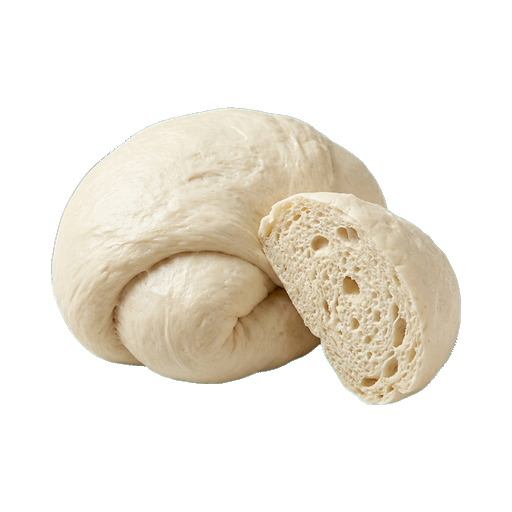
Yeast dough
Yeast dough is the base for bread, buns, pies, and other baked goods that rises through yeast fermentation. Live microorganisms in yeast release carbon dioxide, creating a porous structure and characteristic slightly sour taste. When working with it, it's important to maintain the correct temperature (optimally 25–30 °C), allow sufficient time for proofing, and use the right ratio of ingredients so the dough becomes elastic and rises well.
About
Yeast dough is the foundation for many baked goods, from classic buns and pies to pizza and focaccia. Its main distinguishing feature is that it rises thanks to living microorganisms that create a porous structure and characteristic aroma. Working with such dough means learning to feel the fermentation process and understand when it is ready for the next stage.
Structure and Behavior
Proper yeast dough has a soft, elastic consistency and sticks slightly to the hands. After mixing, it requires time to rise — usually from one to several hours depending on the room temperature and yeast activity. During fermentation, the dough increases in volume, becomes more airy and light. If you press it with your finger, it should slowly recover its shape.
Key points to remember
- The water temperature for mixing should be warm, but not hot — around 35–40 degrees. Water that is too cold will slow down fermentation, hot water will kill the yeast.
- Yeast is better activated in a small amount of warm water with a pinch of sugar before adding to the main mixture — this guarantees their viability.
- Add salt last and do not mix it directly with the yeast — it slows down their activity.
- The first rise is best done at room temperature, covering the dough with a towel or plastic wrap so it doesn't dry out.
Where it is used
Yeast dough is versatile: it makes fluffy buns with fillings, sweet pies, bread, belyashi, cheburek, and even thin pizza. You can enrich it with eggs, butter, and milk for a more delicate texture or keep it simple for bread. Some recipes require cold fermentation in the refrigerator — this develops flavor and makes the dough easier to work with.
Storage and preparation
Ready dough can be stored in the refrigerator for several days in an airtight container or under plastic wrap — it will rise slowly and develop a more complex flavor. Before using, allow it to come to room temperature. If the dough was frozen, thaw it at room temperature, and then let it rise again before shaping.
How to Tell When the Dough Is Ready
- After the first rise, the dough should increase by approximately twice its size and have many small bubbles when cut.
- If you press on the surface, the indentation should slowly recover — this is a sign of good consistency.
- The smell should be pleasant, slightly sour — this is a sign of active fermentation.
- Overproofed dough loses its elasticity and may not rise properly in the oven, so it is important not to miss the right moment.
Yeast dough requires attention and patience, but the result is worth it. Once you master the basic principles, you'll be able to make baked goods that taste much better than store-bought — with real fluffiness, good structure, and deep aroma.
Nutrition
per 100 g
- Calories
- 264 kcal
- Protein
- 8.5 g
- Fat
- 3.2 g
- Carbs
- 48 g
Measure calculator
- Weight
- 100 g
- Calories
- 264 kcal