Usuba
Usuba
Dry sherry
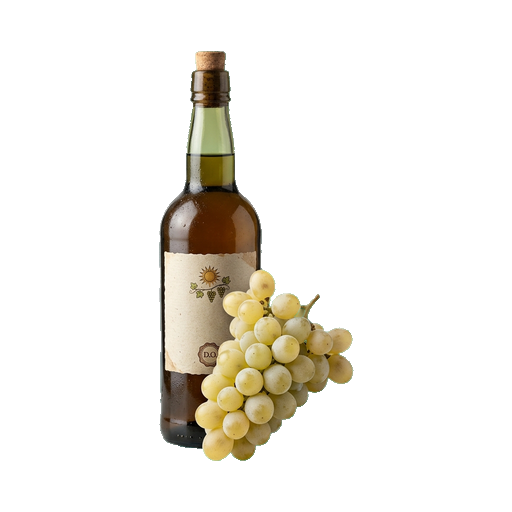
Dry sherry is a fortified wine from Spain with a light, barely perceptible sweet aftertaste and a bright mineral character. It is used in cooking for deglazing pans, preparing sauces for meat and seafood, as well as a component of marinades and dressings. When selecting, pay attention to the authenticity of its origin — genuine sherry is produced in the Jerez de la Frontera region, and its quality affects the final taste of the dish.
About
Dry sherry is a fortified wine that long ago ceased to be merely an aperitif. In modern cuisine, it is valued as an ingredient capable of transforming a sauce, soup, or marinade. Its sharp, slightly bitter nature works quite differently from table wine, which makes it an indispensable helper in everyday cooking.
Aroma and Taste
Dry sherry smells of almonds, yeast, and a light saltiness — a complex aroma, but not overpowering. On the palate, it is sharp, almost piquant, with hints of nuts and a slight bitterness in the finish. Its alcohol content of about 15% makes it concentrated: a small amount is enough to feel its influence on a dish. When heated, the alcohol evaporates, leaving behind a deep, slightly salty flavor that doesn't overpower the main ingredients but rather enhances them.
Role in Dishes
- In sauces for meat and game — a few spoons of sherry transform ordinary meat juice into an elegant sauce with depth of flavor
- In soups, especially cream soups made from mushrooms or seafood — adds piquancy and rounds out the taste
- In marinades for fish and seafood — its saltiness and sharpness prepare delicate products well for processing
- In braised dishes — slow cooking allows its flavor to fully unfold and blend with the other components
- In deglazing the pan after searing — literally a few milliliters lift all the delicious bits from the bottom
Combinations with other ingredients
Dry sherry works well with mushrooms, onions, and garlic — this trio is classic for European cuisine. Its sharpness balances rich meat sauces, making it ideal alongside beef, duck, and game. With seafood — shrimp, squid, oysters — it creates harmonious combinations. Don't forget about herbs: thyme, rosemary, and bay leaf enhance its earthy notes.
Selection and Storage
Look for bottles on the store shelf with a clear label "dry" or "very dry". The color should be light golden or amber. The price doesn't have to be high — a decent dry sherry for cooking is quite affordable. Pay attention to the alcohol content: it should be at least 15%.
Store an open bottle in a dark, cool place or in the refrigerator. Thanks to its high alcohol content, dry sherry does not spoil quickly — an open bottle will easily last several months. The main thing is to tightly cap the bottle after each use. You don't need expensive wine for cooking; choose a mid-range price and don't be stingy with it in the kitchen.
Start small: add a tablespoon of dry sherry to your next meat sauce or soup. You'll immediately notice how the flavor becomes more expressive and "mature," without any obvious note of alcohol.
Nutrition
per 100 ml
- Calories
- 110 kcal
- Protein
- 0.1 g
- Fat
- 0 g
- Carbs
- 0.5 g
Measures and weight
- 1 tbsp
- 14.8 g
- 1 tsp
- 5 g
- 1 cup
- 247.5 g
Measure calculator
- Weight
- 100 g
- Calories
- 111 kcal