Usuba
Usuba
Duck
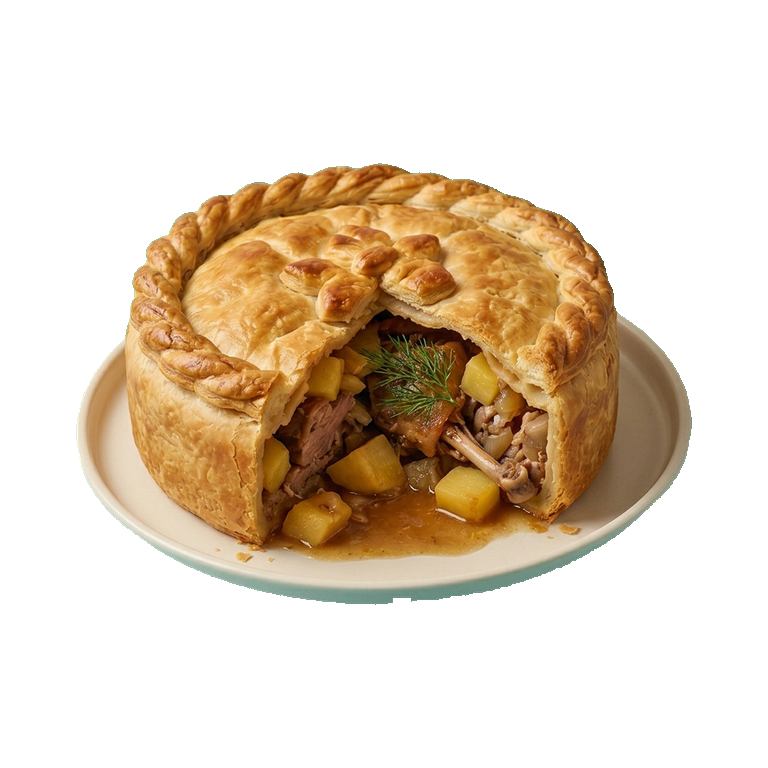
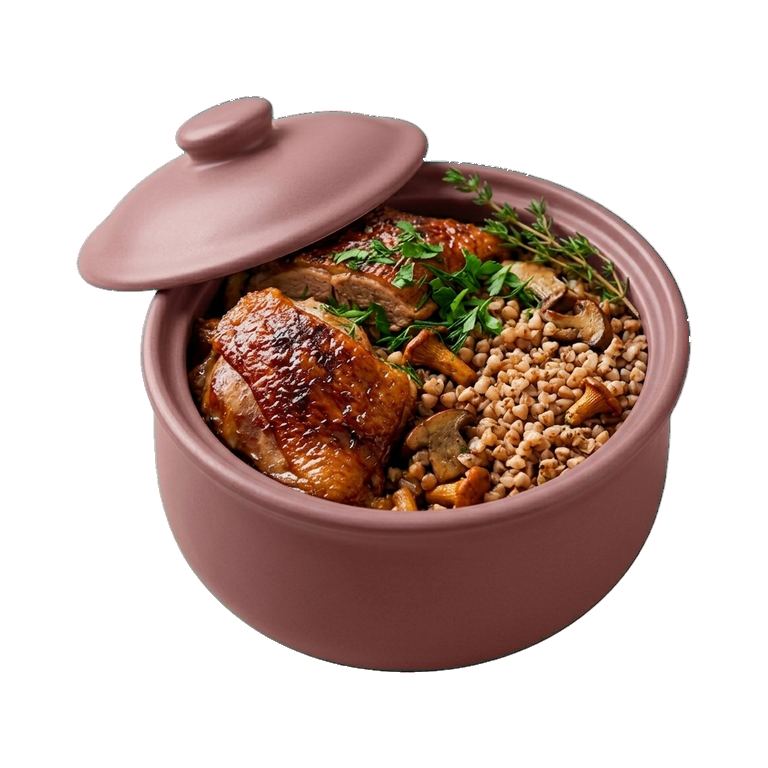
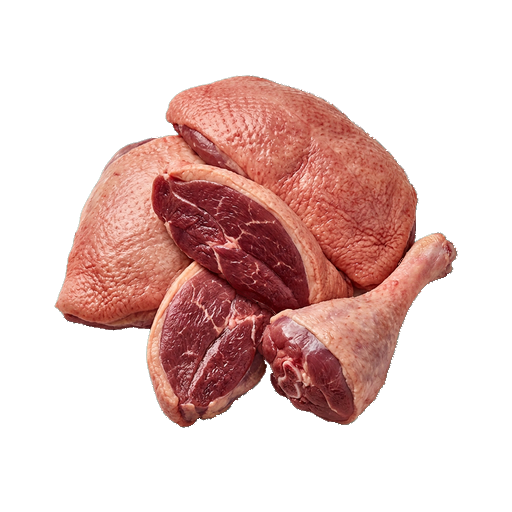
Duck meat is distinguished by its rich flavor and dark color due to its high myoglobin content — it is significantly more expressive than chicken, with a subtle hint of game. Duck fat melts at a low temperature and imparts a characteristic juiciness to dishes, making the bird well-suited for frying, braising, and preparing confit. When selecting duck, pay attention to the firmness of the skin and the absence of unpleasant odor, and when cooking, remember that the meat requires longer heat treatment than chicken and reveals its flavor best at a medium level of doneness.
About
Meat with Character
Duck meat is not just an alternative to chicken or beef. It is a completely different product with a rich flavor, dense texture, and natural fat content that makes the dish juicy and aromatic. The red-brown color of the meat indicates a high myoglobin content, which gives it depth and intensity. If you are used to more tender meats, duck may seem like a bold choice — and that is precisely its charm.
Aroma and Taste
Duck meat has a game flavor — this is not a drawback, but its trademark. With proper preparation, the aroma becomes noble and appetizing, rather than sharp. The taste is rich, slightly sweet, with a subtle bitterness that unfolds when seared. Duck fat melts at low temperatures, so the meat remains tender even with prolonged cooking. It is precisely because of this that duck is so excellent in stews, confit, and slow braises.
How to cook duck
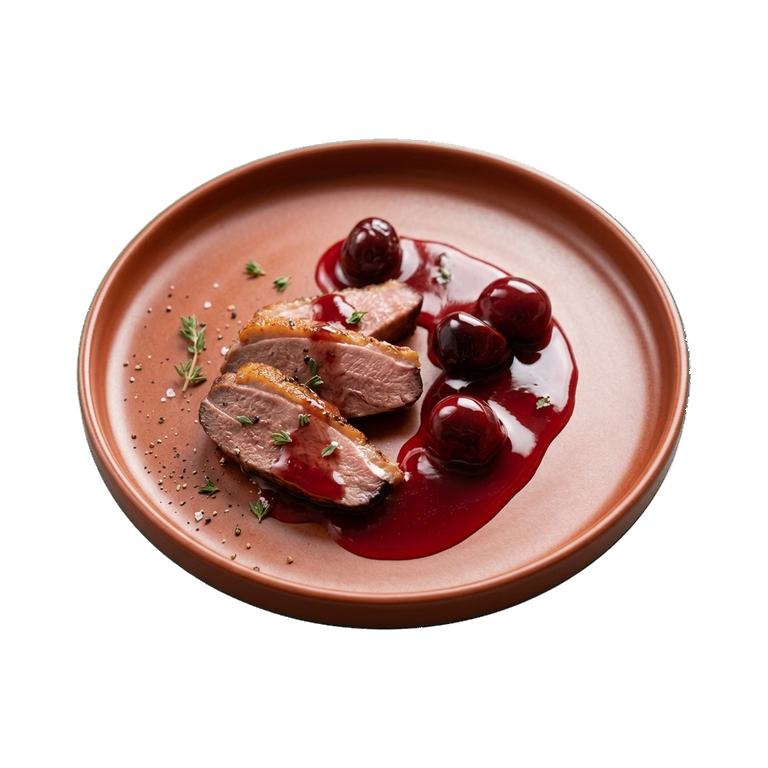
The golden rule: don't be afraid of fat. Render it out — and you'll get golden crispy skin and tender meat inside. For a whole bird, roasting at 160–180°C for one and a half to two hours works well. Before frying, prick the skin with a fork in several places so the fat renders evenly. Breasts can be pan-fried skin-side down, starting on medium heat and finishing on high — this gives you a crispy crust and pink meat inside.
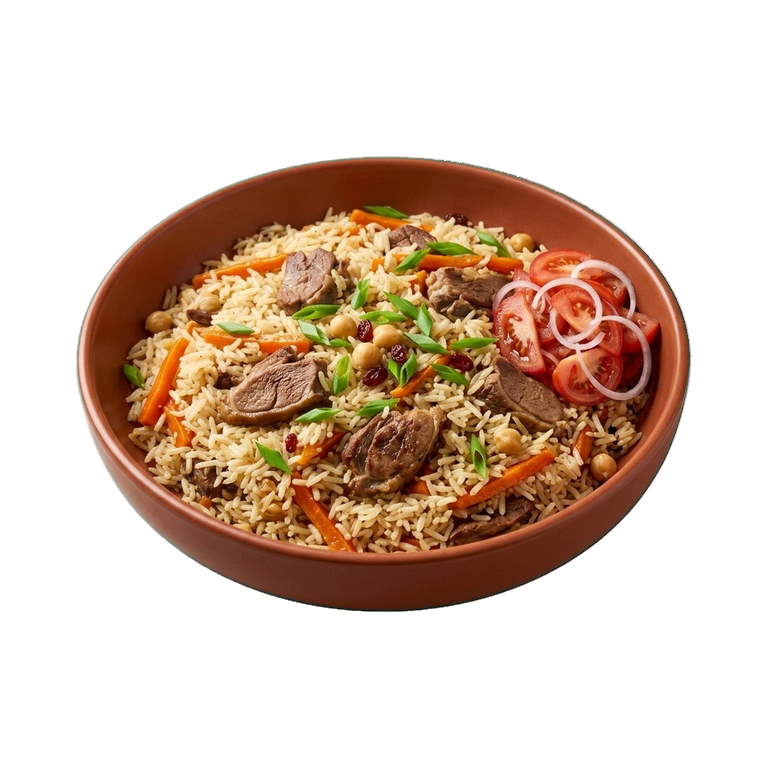
Duck meat pairs beautifully with acidity: orange, cherry, pomegranate, and soy sauce help balance its richness. Spices work at full strength too — cinnamon, clove, ginger, and rosemary highlight the depth of flavor. Don't forget about vegetables: duck cooks well with cabbage, carrots, onions, and potatoes.
Selection and Storage
When purchasing, pay attention to the color of the meat — it should be dark red, not brown. The skin should be intact, without damage. The smell of fresh duck is gamey, but not rotten. Frozen duck can be stored for up to six months, chilled duck for two to three days at a temperature of 0–4°C. Thaw in the refrigerator, not at room temperature, to preserve the quality of the meat.
Duck demands respect for the process, but generously rewards attention with deep flavor and a unique result. This is meat for those ready to go beyond the familiar and discover new gastronomic horizons.
Nutrition
per 100 g
- Calories
- 215 kcal
- Protein
- 19.3 g
- Fat
- 15.8 g
- Carbs
- 0 g
Measures and weight
- 1 pcs
- 2000 g
Measure calculator
- Weight
- 100 g
- Calories
- 215 kcal