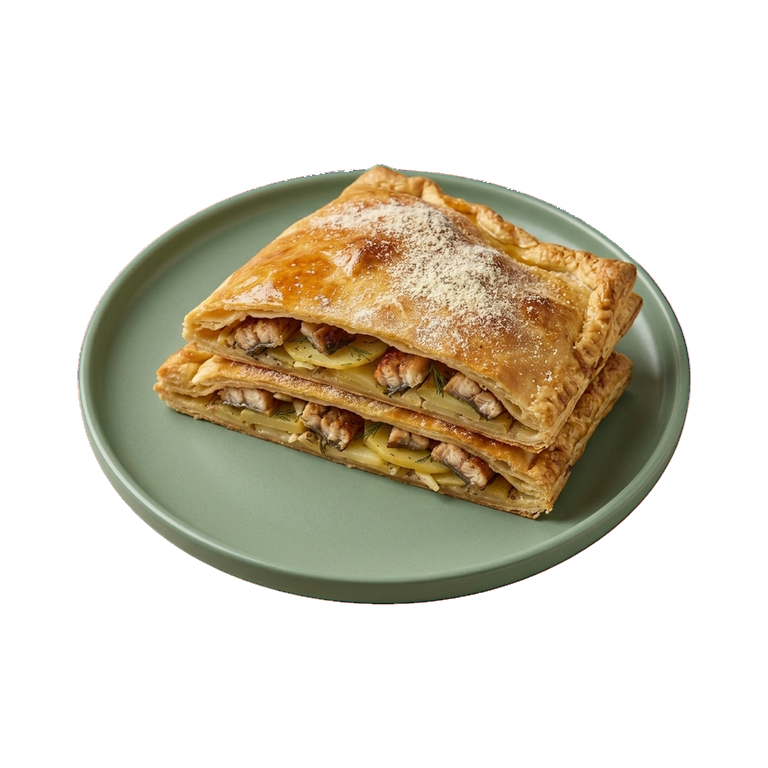
Usuba
Usuba
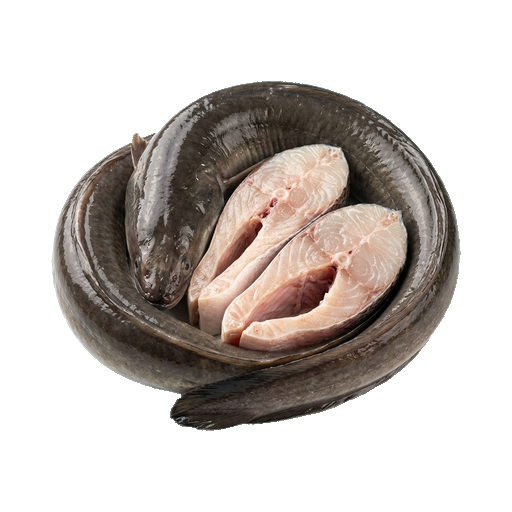
Eel
A freshwater fish with dense, fatty meat and a pronounced characteristic smell that many find distinctive. Eel meat contains plenty of beneficial fats and has a tender texture, absorbing marinades and seasonings well. When selecting, prefer live eel or chilled eel with shiny skin, and when cooking, keep in mind that it requires thorough cleaning and is often smoked, fried, or stewed in sauces.
About
What You Need to Know About Eel
Eel is a fish with dense, fatty meat and a pronounced fish flavor. Both freshwater and saltwater eels are used in cooking, although freshwater eel is considered more delicate. Eel meat contains many beneficial fats and protein, so even a small portion provides good satiety. The fish requires proper preparation, but the result is worth the effort.
Aroma and flavor
Eel has a characteristic, quite intense fish aroma. The meat tastes delicate and slightly sweet, with a subtle nutty note. The texture is dense, but when cooked properly, it becomes tender and juicy. The fish's fat content allows it to absorb spices and sauces well without becoming dry.
How to Cook Eel
Eel can be fried, stewed, smoked, boiled, and grilled. The most popular methods are pan-frying with oil and spices or smoking. The fish tolerates prolonged heat treatment well due to its high fat content. Before cooking, eel must be properly prepared: the skin should be removed, the entrails removed, and it should be thoroughly rinsed.
- Frying in pieces in a pan — a classic method, fish cooks in 10–15 minutes
- Baking in the oven with lemon and herbs emphasizes delicate flavor
- Stewing in sauce (tomato, cream, or Asian) softens the intensity of taste
- Smoking gives fish a deep flavor and allows storing it longer
What pairs with
Eel pairs well with acidity — lemon, vinegar, white wine. Spicy spices (black pepper, ginger, garlic) enhance its flavor, while herbs (dill, parsley, thyme) add freshness. Potatoes, rice, and grilled vegetables make good side dishes. In Asian cuisine, eel is often prepared with soy sauce, mirin, and sugar.
Selection and Storage
Fresh eel should smell of the sea, not ammonia. The fish's eyes should be clear and bulging, the gills bright red. The skin should be shiny and free of damage. If you are buying a live eel, make sure it moves actively. Fresh fish is best used on the day of purchase, but can be stored in the refrigerator for up to two days in an airtight container.
- Refrigerator: up to 2 days at a temperature of 0–4 °C
- Freezer: up to 3 months at a temperature of –18 °C
- Smoked eel lasts longer — up to a week in the refrigerator
Eel is a fish for those willing to spend time on its preparation. Fatty, tender meat and versatility in cooking make it a worthy choice for a festive table or experiments with new recipes.
Nutrition
per 100 g
- Calories
- 262 kcal
- Protein
- 14.5 g
- Fat
- 22 g
- Carbs
- 0 g
Measure calculator
- Weight
- 100 g
- Calories
- 262 kcal