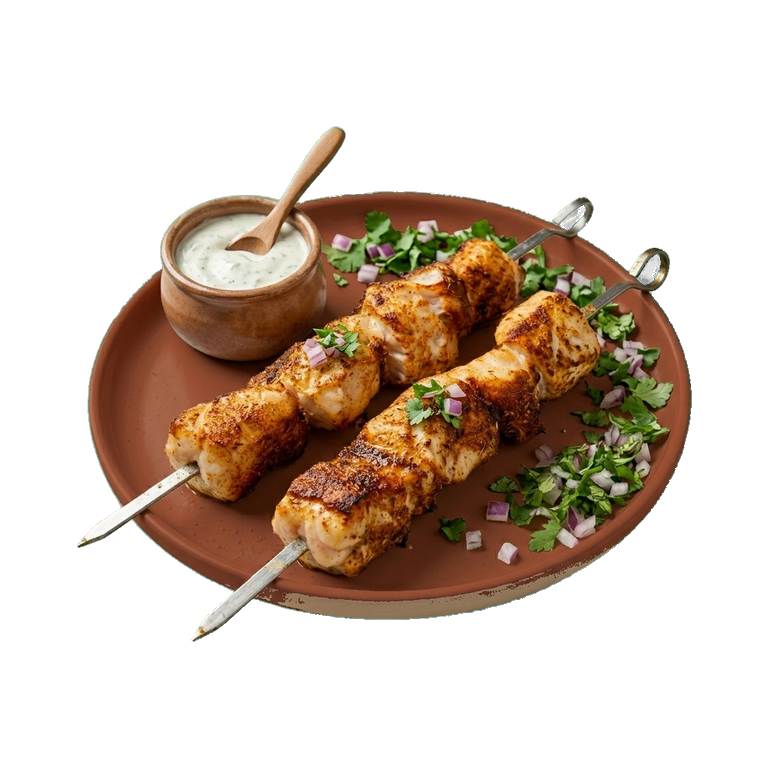
Usuba
Usuba
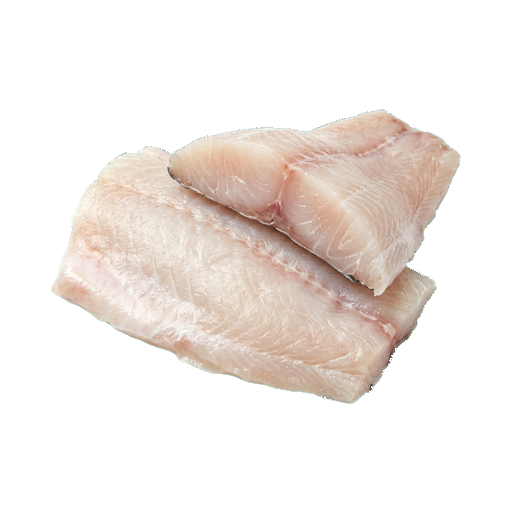
Catfish fillet
Tender white catfish meat is distinguished by a delicate flavor and an almost complete absence of bones, making it convenient for cooking. The fillet contains less fat than red fish meat, so it requires careful handling during heat processing to avoid drying out. Catfish works well with any cooking method — it can be fried, boiled, baked, stewed, or used in soups, and the meat easily absorbs the aromas of spices and sauces.
About
Catfish is a fish with character. Its meat is dense, white, with minimal bones, and this makes fillets ideal for home cooking. It is simple to prepare, and the result is almost always successful. Fillets absorb the aromas of spices and sauces well, so even experienced chefs experiment with it.
Taste and Texture
Catfish meat is tender and slightly sweet, without a strong fishy smell. The texture is dense but not tough — with proper heat treatment, the fillet remains juicy inside. The fat content is moderate, which allows you to use fillet in light dishes while not being afraid of drying out the fish on a pan or in the oven.
How to cook and what to pair with
Catfish fillet is versatile: it can be fried, baked, stewed, grilled, and even cooked in soups. Thanks to its dense structure, it doesn't fall apart during intensive cooking. The fillet shines especially well when combined with vibrant sauces — tomato-based, creamy, with lemon and herbs.
- Lemon and white wine — a classic combination for a simple dinner
- Tomatoes, garlic and olive oil — the foundation of Mediterranean style
- Creamy sauce with mustard or capers — for a more festive dish
- Asian sauces with soy base, ginger and coriander — if you want to experiment
- Grilled or baked vegetables — the perfect side dish
Selection and Storage
When purchasing, pay attention to the color of the meat — it should be white or creamy, without gray spots. The fillet should not have a sharp ammonia smell. If the fish is sold in vacuum packaging, check the date and integrity of the package. Fresh fillet is firm, and when pressed, the indentation quickly disappears.
Store fillet best in the refrigerator on the bottom shelf, in the coldest place. In its original packaging it will keep for 2–3 days. If you don't plan to cook in the near future, freeze the fillet in a plastic container or tightly wrapped in plastic wrap — in the freezer it will keep for a month. Before cooking, thaw in the refrigerator, not at room temperature.
Catfish fillet is the choice for those who value simplicity and reliability. It forgives the mistakes of novice cooks and delights experienced ones with results. Try it in a simple recipe with lemon — and you'll understand why this fish is so popular in home cooking.
Nutrition
per 100 g
- Calories
- 96 kcal
- Protein
- 18.4 g
- Fat
- 2.9 g
- Carbs
- 0 g
Measure calculator
- Weight
- 100 g
- Calories
- 96 kcal