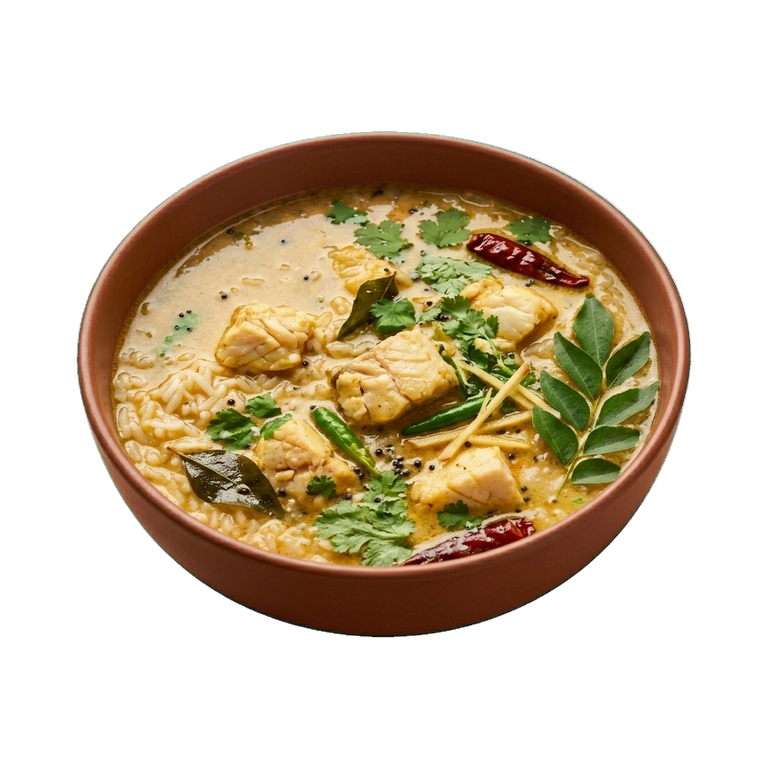
Usuba
Usuba
Fish
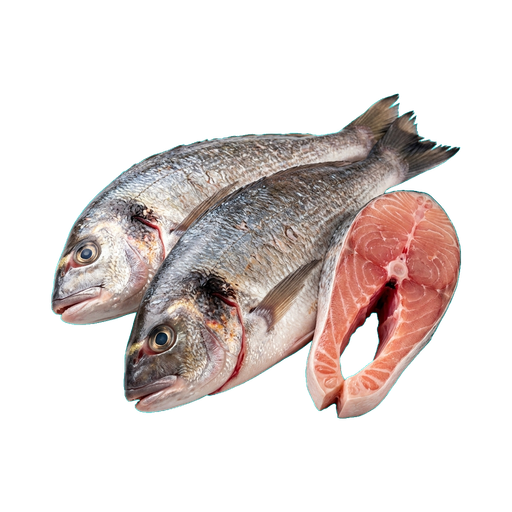
Fish is a primary source of high-quality protein and omega-3 fatty acids, an essential component in many cuisines around the world. Depending on the type, the meat can be tender and delicate or firmer, with a characteristic sea aroma and slightly salty flavor. When choosing fish, pay attention to freshness — the eyes should be clear, the gills bright red, and the meat firm, quickly returning to its original shape when pressed.
About
Fish is one of the most versatile ingredients in the kitchen. It is prized for its tender meat, rich flavor profile, and ability to absorb the aromas of spices and sauces. Fish can be cooked in just a few minutes, and the result is always impressive. Whether you prefer fatty varieties or delicate white fish — each will find its place in your menu.
Taste and texture: from tender white meat to pronounced aroma
The flavor profile of fish depends on its type and fat content. White fish — cod, pollock, halibut — have a delicate, neutral taste and dense meat structure that holds its shape well during cooking. They are ideal for beginners: it's hard to go wrong. Fatty varieties — salmon, mackerel, pink salmon — have a more rich flavor, oily consistency, and characteristic aroma. Their meat is softer and requires delicate handling.
Fresh fish smells of the sea and iodine, but should not have a sharp ammonia smell. Properly handled fish reveals its flavor with minimal preparation: salt, lemon, and good heat are enough. The simpler the cooking, the brighter the taste.
How to Cook: Methods and Combinations
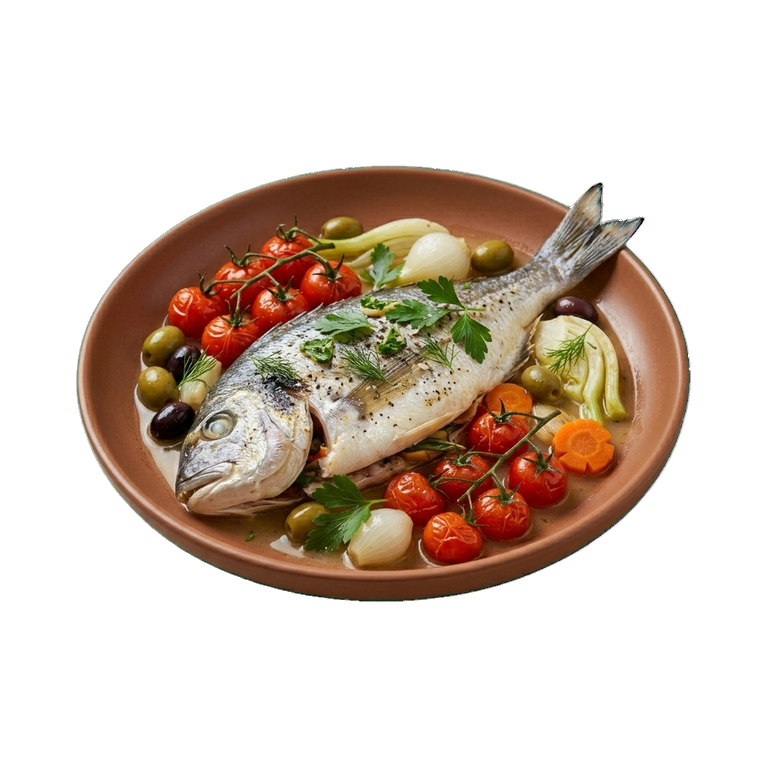
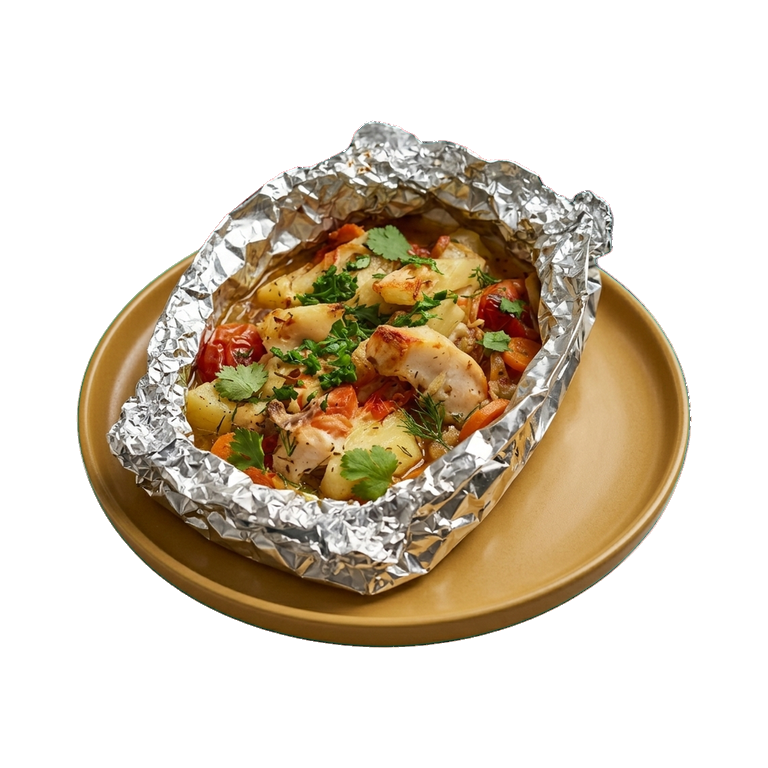
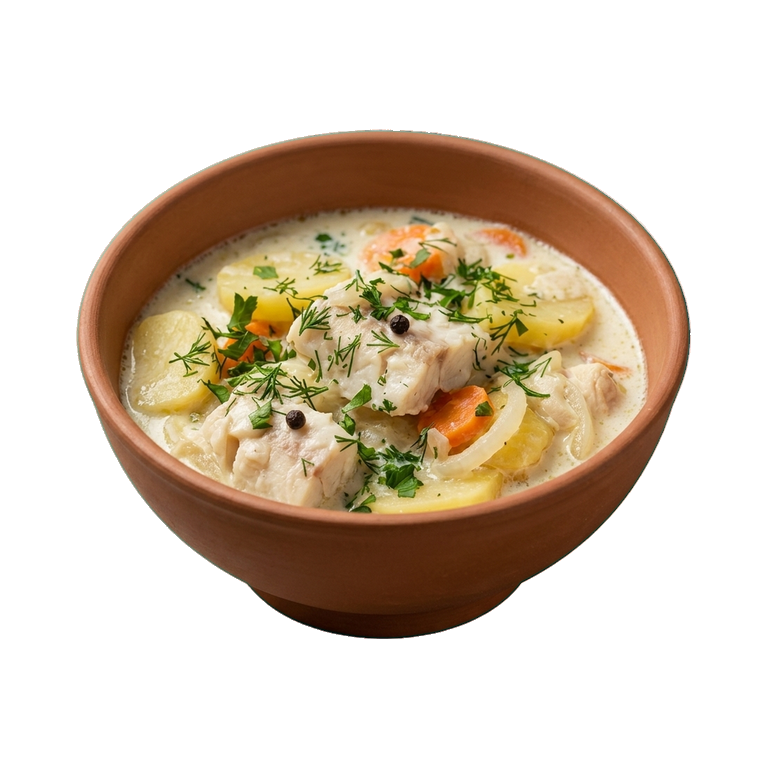
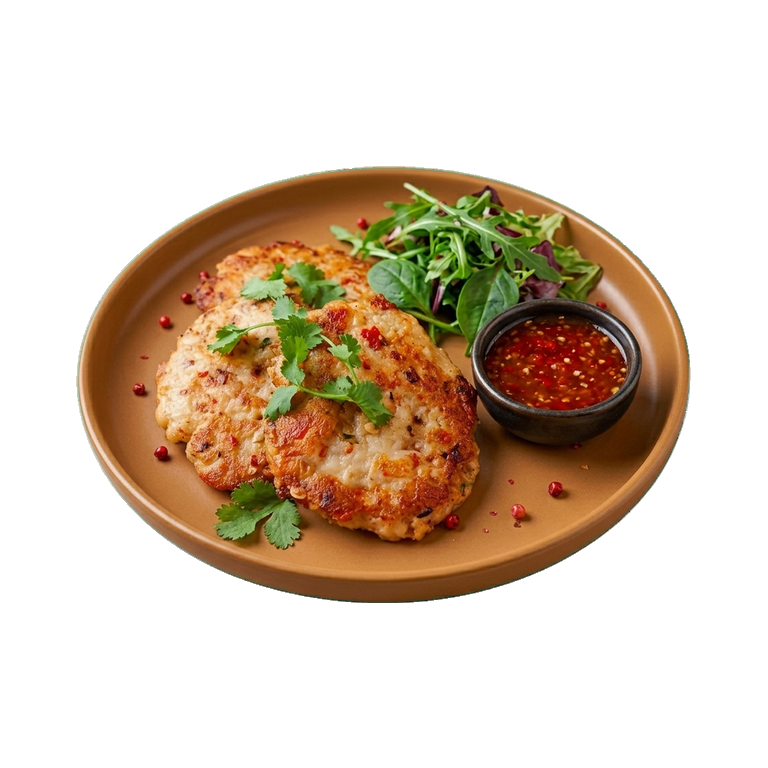
Fish is versatile in cooking. It is fried in a pan until golden brown, baked in the oven with vegetables and herbs, boiled in broths, grilled, and stewed in sauces. The main rule: do not overcook. Overcooked fish becomes dry and tasteless. White fish cooks faster — 8-12 minutes depending on the size of the piece. Fatty varieties are more tolerant of prolonged cooking.
- Lemon, lime and vinegar highlight freshness and neutralize fishy smell
- Herbs — dill, parsley, basil, thyme — complement the delicate flavor
- Garlic, ginger and hot spices add depth to fatty fish varieties
- Butter and cream create creamy sauces for white fish
- Soy sauce, mirin and coconut milk open up Asian directions
Selection and Storage
When buying a whole fish, pay attention to the eyes — they should be clear and bulging, not cloudy. The gills should be light-colored, moist, and without slime. The meat should be firm, elastic, and not flaking. The fillet should be shiny, without brown spots or drying. Smell is the main indicator: fresh fish smells like the sea, not like fish.
Store fish in the refrigerator at a temperature of 0-2 degrees, preferably on ice. Whole fish keeps for 2-3 days, fillets for 1-2 days. Keep frozen fish in the freezer at -18 degrees — it will maintain quality for several months. Thaw in the refrigerator, not at room temperature, to avoid moisture loss and bacterial growth.
Fish is not just protein, it's an opportunity to create light, delicious dishes in a short time. Learn to choose quality products and cook them simply, and it will become the foundation of your healthy menu.
Nutrition
per 100 g
- Calories
- 100 kcal
- Protein
- 18 g
- Fat
- 3 g
- Carbs
- 0 g
Measures and weight
- 1 pcs
- 200 g
Measure calculator
- Weight
- 100 g
- Calories
- 100 kcal