Usuba
Usuba
Flower pollen
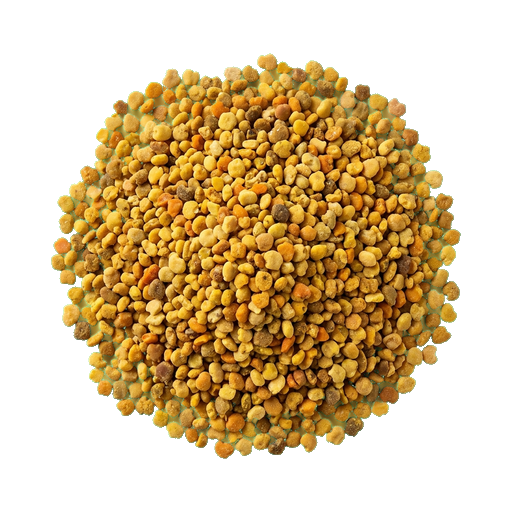
Flower pollen is a fine powder collected by bees from plant flowers and enriched with enzymes. It has a sweet-bitter taste with floral notes and is used as a dietary supplement in smoothies, yogurts, cereals, and desserts to enhance the nutritional value of dishes. When selecting, pay attention to color and uniformity — quality pollen should not be damp or caked, and it should be stored in an airtight container in a cool place to preserve its beneficial properties.
About
Flower pollen is not just a beautiful ingredient for sprinkling on desserts. It is concentrated plant energy: microscopic grains collected by bees or by hand, which carry proteins, enzymes, and natural sweetness. In cooking, pollen works simultaneously as a flavoring, a textural element, and a symbol of the dish's naturalness.
Taste and Aroma
The taste of flower pollen depends on its source: pollen from wildflower meadows provides a mild honey sweetness with herbal notes, while monofloral pollen (for example, from acacia or chestnut) has a more pronounced, almost floral character. On the palate, it leaves a light astringency and a sensation of living plant material — this is precisely what attracts chefs seeking authentic flavor.
Role in dishes
- Topping for desserts and baked goods — adds visual lightness and a floral accent
- Component of creams and mousses — adds a subtle aroma and texture without requiring heating
- Element of sauces and glazes — dissolves in liquids, creating a delicate background flavor
- Decoration for salads and cold dishes — contrasts with vegetables and greens
- Additive for beverages — works well in herbal teas, lemonades, and cocktails
Pairings
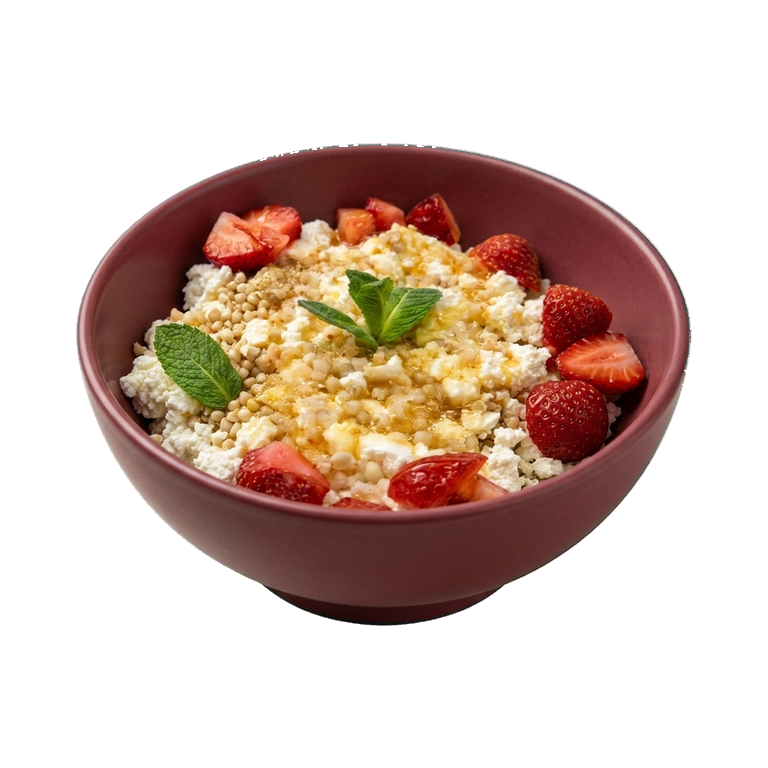
Flower pollen pairs well with honey, cream cheese, and cottage cheese — they enhance its natural qualities. It's interesting combined with citrus fruits, which highlight its lightness and freshness. It's not afraid of spices: cinnamon, cardamom, and even black pepper create contrasting combinations with it. In sweet dishes, it works with vanilla and white chocolate; in spicy dishes — with ginger and chili pepper.
Selection and Storage
Choose pollen with a uniform color — typically yellow, orange, or brownish shades. The smell should be clean, floral, without any mold or mustiness. Check that the pollen doesn't clump together: this is a sign of improper storage or excessive humidity.
- Store in an airtight glass container in a cool, dark place
- Avoid direct sunlight — it destroys delicate aromatic compounds
- Refrigerator or freezer — ideal places for long-term storage
- With proper storage, pollen maintains quality for several months, and in the freezer — up to a year
Remember: flower pollen is a concentrated product. A small amount produces a noticeable effect, so start with a pinch and add to taste. It's not just a garnish, but a full-fledged ingredient that changes the character of the dish.
Nutrition
per 100 g
- Calories
- 370 kcal
- Protein
- 15 g
- Fat
- 5 g
- Carbs
- 60 g
Measures and weight
- 1 tbsp
- 9 g
- 1 tsp
- 3 g
- 1 cup
- 150 g
Measure calculator
- Weight
- 100 g
- Calories
- 370 kcal