Usuba
Usuba
Fructose
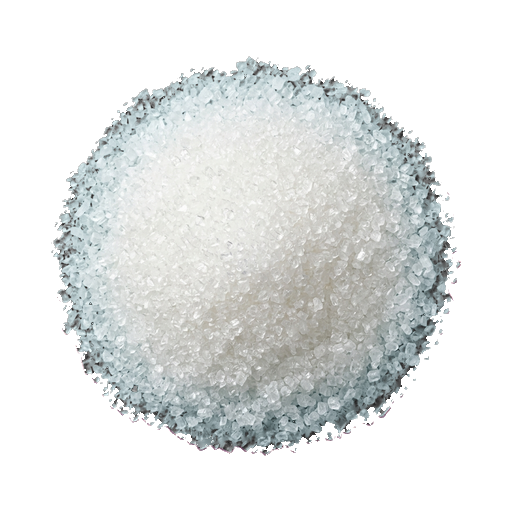
Fructose is a simple sugar with a sweeter taste than regular sugar, but with a less pronounced aroma. In cooking, it is used in baking, beverages, and desserts to achieve greater sweetness with a smaller amount of ingredient, as well as in jams and preserves, where it helps maintain texture and prevent crystallization. When replacing regular sugar with fructose, it should be noted that it has a stronger effect on dough structure and can make baked goods more moist, so sometimes adjustment of other recipe components is required.
About
Fructose is a simple sugar found naturally in ripe fruits, berries, and honey. In the kitchen, it works as a sweetener, but behaves quite differently from regular sugar. It's important to understand this in order to use it correctly and achieve the desired result in your dish.
Taste and sweetness
Fructose is approximately 20–30 percent sweeter than regular sugar, so less of it is needed to achieve the same level of sweetness. Its taste is milder, without the crystalline sharpness, with a subtle fruity note. It does not create the cloying sensation that white sugar can produce in large quantities.
How it behaves during cooking
The main characteristic of fructose is that it is hygroscopic, meaning it absorbs moisture from the air. This means that baked goods and desserts made with it remain softer and don't go stale as quickly, but may turn out more moist than expected. When heated, fructose caramelizes faster than regular sugar, which is useful for creating a golden crust, but requires careful attention to prevent burning.
Where to use it
- In beverages, compotes and fruit drinks — dissolves easier than crystalline sugar, leaves no sediment at the bottom
- In jams and preserves — helps maintain soft consistency and fruity flavor
- In cookies and gingerbreads — makes them softer and extends shelf life
- In creams and fillings — gives smooth texture without visible crystals
- In syrups and glazes — caramelizes quickly, creating shine and golden color
How to dose it
If you're replacing regular sugar with fructose in a recipe, reduce the amount by 20–25 percent. For example, instead of 100 grams of sugar, use 75–80 grams of fructose. Keep in mind that the dough or cream may turn out slightly wetter than you're used to — this is normal. When baking, monitor the cooking time, as it browns faster.
Selection and storage
Fructose is sold as a crystalline powder, often in the diabetic section or in healthy food sections. Choose packaging without lumps and signs of moisture. Store in an airtight container in a dry place at room temperature — it easily absorbs moisture and can clump together. When stored properly, it remains fresh for many months.
What it pairs well with
- With acidity (lemon, vinegar) — enhances fruity profile in beverages and marinades
- With spices (cinnamon, ginger, vanilla) — gently emphasizes their aroma
- With berries and fruits — creates natural, non-cloying taste
- With dairy products — adds smoothness to yogurts, cottage cheese and ice cream without graininess
Fructose is not a magic ingredient, but a useful helper in the kitchen if you know its characteristics. It works best in sweet dishes where you need softness, moisture, and delicate flavor. Try it in jam or cookies, and you'll feel the difference.
Nutrition
per 100 g
- Calories
- 396 kcal
- Protein
- 0 g
- Fat
- 0 g
- Carbs
- 99 g
Measures and weight
- 1 tbsp
- 12 g
- 1 tsp
- 4 g
- 1 cup
- 200 g
Measure calculator
- Weight
- 100 g
- Calories
- 396 kcal