Usuba
Usuba
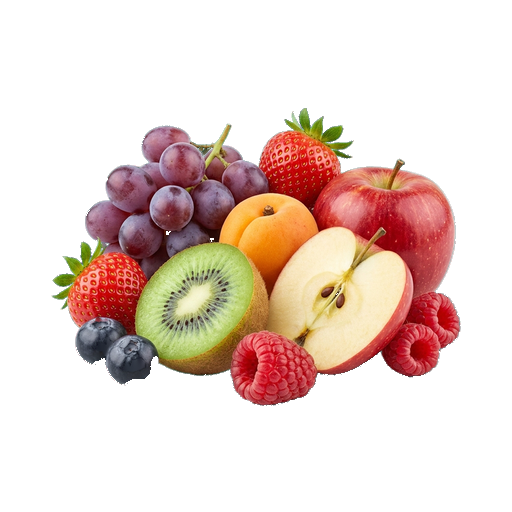
Fruits (any)
Fresh fruits are a primary source of natural sugars, fiber, and vitamins in cooking. They are used both in their raw form and as an ingredient in desserts, beverages, and main courses. Each type of fruit has a unique flavor profile ranging from tart berries to sweet tropical fruits, which allows for varied applications depending on the desired result. When selecting fruits, it is important to pay attention to ripeness, aroma, and skin integrity. When substituting one fruit for another, consider the acidity and sweetness levels to maintain flavor balance in the recipe.
About
Fruits in the Kitchen: A Universal Helper
Fruits are not just dessert or a snack. They work in the kitchen as a universal ingredient: they add sweetness without sugar, acidity to balance flavor, moisture for tender dough, vibrant color and aroma to dishes. A ripe banana binds dry ingredients in cookies, lemon saves an over-salted soup, berries turn plain yogurt into a full breakfast. Each fruit brings its own character to the plate.
How to choose and use
Ripeness is the main criterion. Underripe fruit is sour and astringent, overripe fruit falls apart and loses its shape. Go by the aroma: if you smell a sweet fragrance, the fruit is ready. When selecting, press gently—the flesh should yield but not be crushed. Slightly underripe fruits are suitable for jams and compotes, as they hold their shape better. For fresh salads and desserts, maximum ripeness is needed.
Role in different dishes
- In baking — a source of moisture and natural sweetness, replaces part of the fat in the recipe
- In sauces — acidity balances fatty dishes, sugars caramelize and create depth of flavor
- In salads — texture contrast and freshness, especially with cheese or nuts
- In beverages — base for smoothies, compotes, fruit drinks and cocktails
- In meat dishes — marinades with pineapple or papaya tenderize fibers, citrus adds lightness
Storage and Preparation
Most fruits are stored at room temperature until they ripen completely. Once ripe, move the fruits to the refrigerator — this will keep them fresh longer. The exception is bananas, which turn black in the cold but remain edible. Before use, rinse the fruits under running water and remove the pits and skin if needed. Cut immediately before serving or cooking to avoid oxidation and loss of vitamins.
Winning Combinations
- Apple + cinnamon + sugar — a classic for pies and compotes
- Citrus + ginger — sharp freshness for marinades and beverages
- Pear + chocolate — an elegant contrast in desserts
- Berries + honey — natural sweetness for breakfasts and baked goods
- Mango + lime + chili — a tropical mix for salads and appetizers
Experiment with seasonal fruits — they are cheaper, tastier, and more aromatic. Don't be afraid to mix sweet with salty, sour with spicy. Fruits are a grateful ingredient that almost always improves a dish.
Nutrition
per 100 g
- Calories
- 50 kcal
- Protein
- 0.5 g
- Fat
- 0.3 g
- Carbs
- 12 g
Measure calculator
- Weight
- 100 g
- Calories
- 50 kcal