Usuba
Usuba
Beef neck
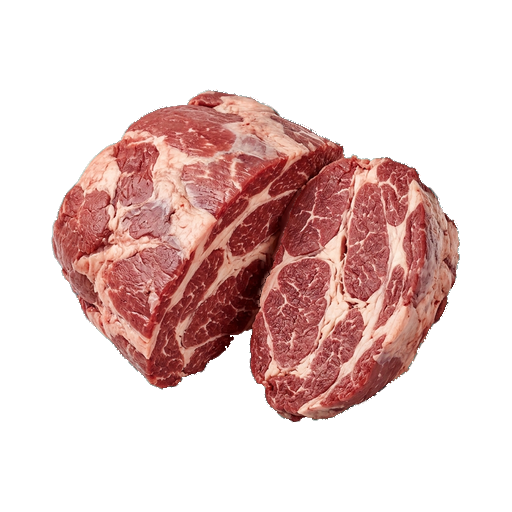
Beef neck is a meat with high content of connective tissue and fat that requires prolonged cooking to tenderize. Thanks to its rich flavor and gelatinous structure, it is ideal for broths, stews, soups, and braising, where slow simmering transforms tough fibers into a tender mass. When selecting, pay attention to the color of the meat — it should be bright red, and the fat should be white or creamy, without darkening or oxidation.
About
Beef neck is one of the most underrated cuts of meat in the kitchen. It's a muscular part with a good layer of fat and connective tissue that, when properly prepared, transforms into a tender, aromatic dish. The meat here is denser than in ribs, but far more flavorful than in fillet.
Taste and Aroma
Chuck gives a rich, deep beef flavor. The fat that runs through the meat melts during slow cooking and enriches every fiber. The aroma is powerful, but not sharp — rather cozy and homey. If you cook it for a long time at low temperature, the meat literally melts, and the sauce becomes thick and buttery.
How to cook it
Neck is a meat for long cooking. There's no need to rush here. It reveals itself best when braised: in a pot, in the oven, in a slow cooker. First, the piece is seared over high heat on all sides to form a crust, and then it is stewed in liquid — in broth, wine, tomato sauce — for at least two to three hours.
- Braising in red wine with vegetables and herbs — a classic option
- Borscht and meat soups — the neck gives an excellent, rich broth
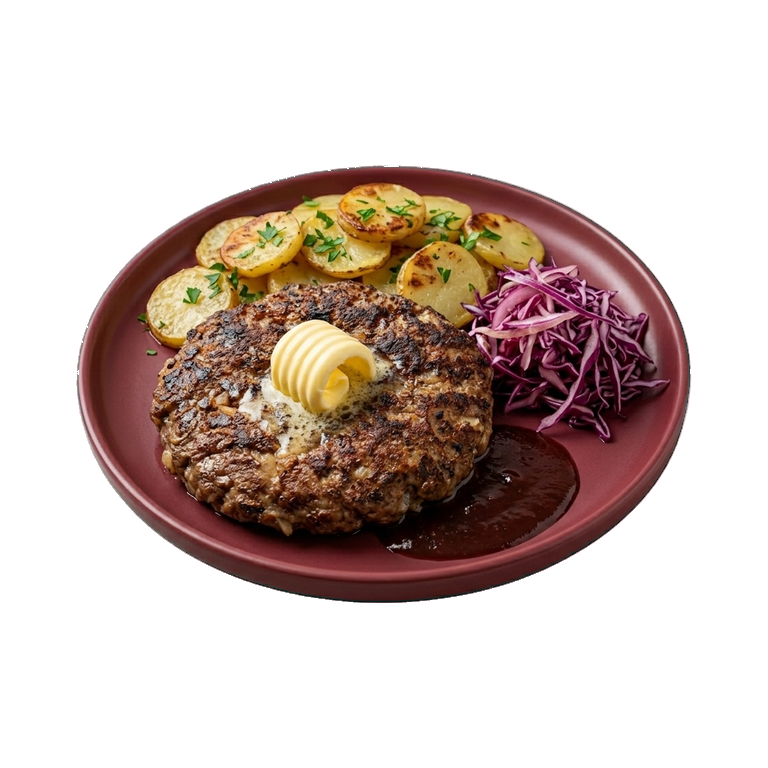
- Ground meat for cutlets and meatballs — the meat grinds easily
- Stew and curry — absorbs spices and sauces well
- Aspic — collagen in the neck is ideal for gelatin
Selection and Storage
When purchasing, pay attention to the color — it should be a rich red with no gray spots. The meat surface should be slightly moist, but not sticky. If pieces are sold in vacuum packaging, check the integrity of the package. The fat should be light, almost white, not yellow.
Neck is stored in the refrigerator for three to four days. If you need it to last longer — freeze it. Meat tolerates freezing well and doesn't lose quality for months. Before cooking, thaw it in the refrigerator, not at room temperature — this will preserve the juiciness.
What pairs well with
Neck pairs well with acidity — red wine, vinegar, tomatoes help tenderize the meat and balance its richness. Vegetables — carrots, onions, celery — become part of the dish, absorbing the meat juices. Spices work boldly: black pepper, bay leaf, juniper, thyme, rosemary. Sweet spices like cinnamon and star anise are also fitting in Eastern variations.
The main rule: don't rush. Beef neck requires time, but it repays it many times over — with deep flavor, tender texture, and an aroma that fills the entire house.
Nutrition
per 100 g
- Calories
- 137 kcal
- Protein
- 20.1 g
- Fat
- 6.2 g
- Carbs
- 0 g
Measure calculator
- Weight
- 100 g
- Calories
- 137 kcal