Usuba
Usuba
Buckwheat noodles
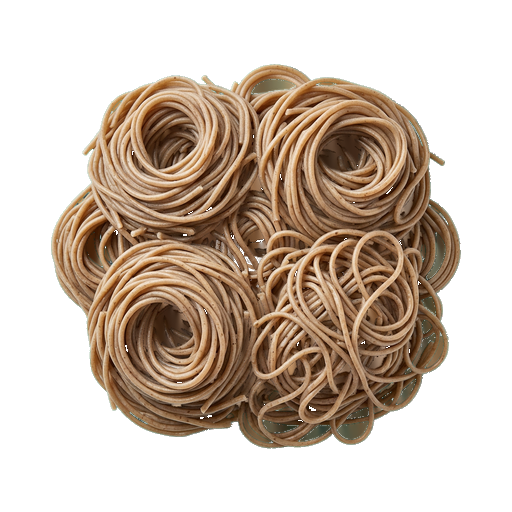
Buckwheat noodles are thin pasta made from buckwheat flour, characterized by their distinctive dark color and slightly nutty flavor. They cook faster than regular wheat noodles and absorb sauces well due to their porous structure. Buckwheat noodles are used in Asian cuisine for both cold and hot dishes and are suitable for people avoiding gluten, though you should check the ingredients when purchasing, as wheat flour is often added to the mix.
About
Buckwheat noodles are a pasta made from buckwheat flour, which differs from wheat pasta products in its neutral, slightly nutty flavor and dense texture. Unlike regular noodles, they are more fragile and require careful handling during cooking. Due to their composition of a single ingredient or minimal addition of other components, such noodles are suitable for people avoiding gluten, although this depends on the manufacturer and processing method.
Taste and Texture
Buckwheat noodles don't have a pronounced flavor, but leave a subtle aftertaste with barely noticeable nutty notes. The texture remains springy when cooked properly, although the noodles are more delicate and brittle than their wheat counterparts. This means you need to be more careful while cooking: don't overfill the pot, don't stir too vigorously, and follow the cooking time indicated on the package. Usually it's 4–7 minutes depending on the thickness and manufacturer.
Role in dishes and pairings
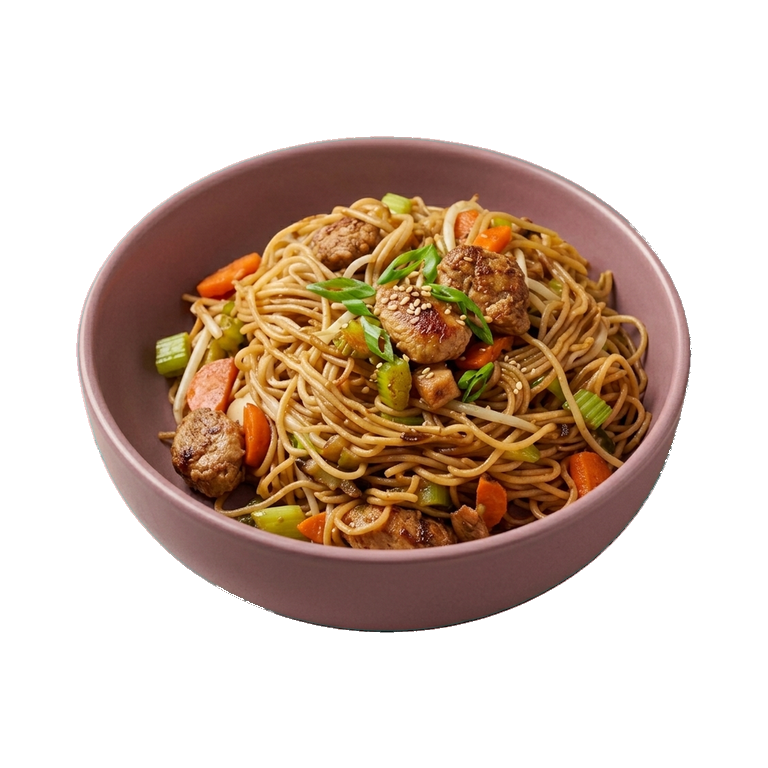
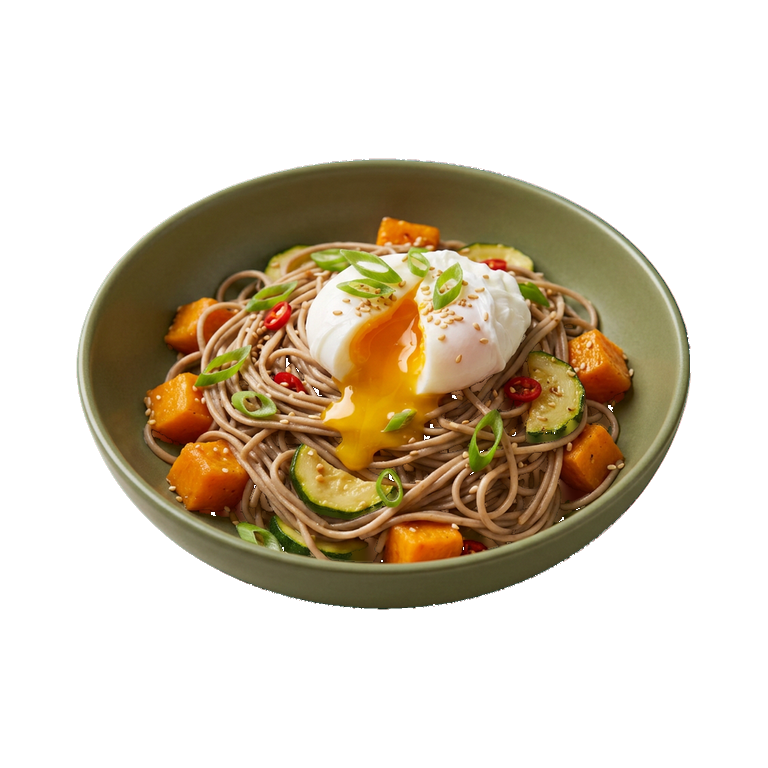
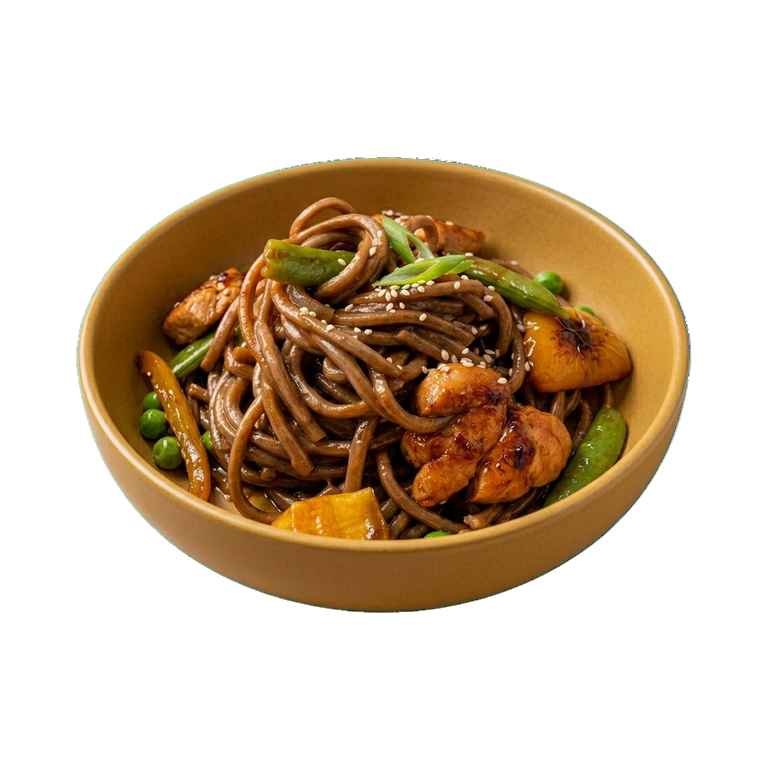
Buckwheat noodles work well in cold salads, where their neutral flavor doesn't compete with other ingredients, as well as in hot soups and stews. They absorb sauces but don't soften if not overcooked. A classic combination is with vegetables, mushrooms, soy sauce, and sesame oil. Noodles complement Asian cuisine dishes well, but are equally appropriate in European recipes with tomatoes, olive oil, and herbs.
- Vegetables: carrot, zucchini, radish, cucumber
- Proteins: chicken, tofu, shrimp, egg
- Sauces: soy, sesame, peanut, tomato
- Herbs and spices: green onion, coriander, ginger, garlic
Selection and Storage
When purchasing, pay attention to the composition: ideally, it should contain only buckwheat flour. Some manufacturers add wheat flour, corn starch, or eggs — this affects the texture and taste. Check for cracks in the noodles and lumps in the package. The noodles should be uniform in color, from light brown to dark gray.
Store buckwheat noodles in a dry, cool place in an airtight package or container. The shelf life is usually 6–12 months, but it is better to use them within a few months of purchase, before the noodles absorb moisture and lose their elasticity. Cooked boiled noodles can be stored in the refrigerator for 2–3 days in a closed container, and frozen noodles for up to a month.
Practical Tips
- Do not soak the noodles before cooking, place them directly into boiling water
- Use enough water — at least 1 liter per 100 grams of noodles
- After cooking, rinse with cold water if you plan to use it in a salad
- If the noodles break during cooking, it means they were overcooked or damaged during storage
- Buckwheat noodles pair well with acidic sauces — they highlight its neutral flavor
Nutrition
per 100 g
- Calories
- 271 kcal
- Protein
- 10 g
- Fat
- 1.1 g
- Carbs
- 54.8 g
Measure calculator
- Weight
- 100 g
- Calories
- 271 kcal