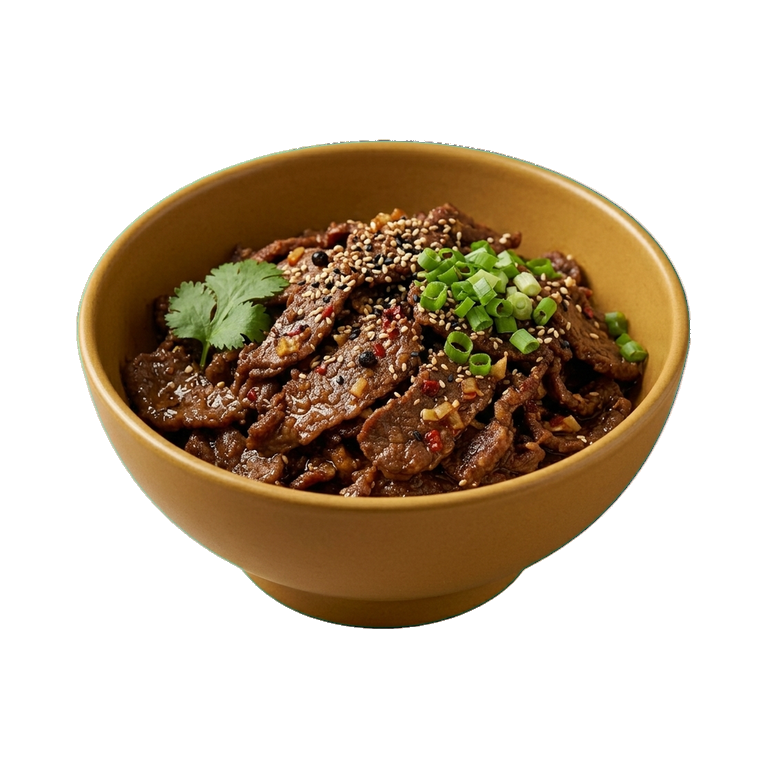
Usuba
Usuba
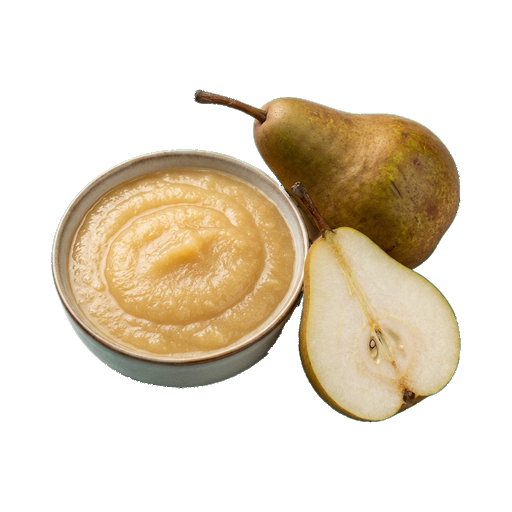
Pear sauce
Pear sauce is a puree made from ripe pears with added sugar and spices, often with a hint of lemon juice for acidity. It is used as a garnish for meat and poultry dishes, giving them a sweet fruity flavor and delicate consistency. When preparing, it is important to choose soft pears and not overcook them to preserve the natural aroma and structure of the sauce.
About
Pear sauce is a delicate kitchen helper that works where a soft sweetness and light tartness are needed. It's not aggressive, it doesn't draw attention to itself, but rather emphasizes the flavor of the main dish. The consistency varies from liquid, almost syrupy, to a denser puree-like texture, depending on the cooking method and concentration of pear.
Taste and Aroma
Pear gives the sauce a delicate, almost honey-like flavor with a barely noticeable herbal note. Fresh pears typically contain enough natural acidity to balance the sweetness and prevent cloying. If the sauce is made with the addition of spices — cinnamon, clove, or ginger — they don't overpower the main flavor, but only enrich it, creating a multi-layered profile.
Where and how to use
- With meat: duck, goose, pork, and even red meat find an ideal partner in pear sauce. The sweetness of pear softens the richness, while the tartness refreshes the taste.
- With poultry: especially good with chicken and turkey, where it adds interest and depth without being overpowering.
- With cheese: spread on a slice of hard cheese, serve with crackers or bread — simple and elegant appetizer.
- With desserts: will complement vanilla ice cream, panna cotta, cottage cheese pastes, or even pancakes.
- With vegetables: don't forget roasted vegetables, especially root vegetables — carrots, beets, parsnips.
Selection and Storage
When buying ready-made pear sauce, check the ingredient list: the simpler the composition, the better. Ideally, it should contain pear, sugar, and possibly spices and preservatives. The color should be uniform, ranging from light beige to golden. If the sauce is too dark or has an uneven appearance, this is a sign of oxidation or improper storage.
- Keep an open jar in the refrigerator in an airtight container — it usually lasts for two to three weeks.
- A closed jar can be stored in a cool dark place — in a pantry or on a shelf away from light.
- Homemade sauce that you've prepared yourself is best frozen in small portions in ice cube trays for convenience.
Kitchen Tip
If the finished sauce seems too thin to you, heat it over low heat without a lid — the moisture will evaporate and the consistency will become thicker. If, on the other hand, the sauce has thickened and doesn't spread, add a little water or white wine and stir. Pear sauce works well with black pepper, so don't hesitate to add a pinch before serving with meat dishes.
Nutrition
per 100 g
- Calories
- 150 kcal
- Protein
- 0.5 g
- Fat
- 0.1 g
- Carbs
- 37 g
Measures and weight
- 1 tbsp
- 18 g
- 1 tsp
- 6 g
- 1 cup
- 300 g
Measure calculator
- Weight
- 100 g
- Calories
- 150 kcal