Usuba
Usuba
Conference pears
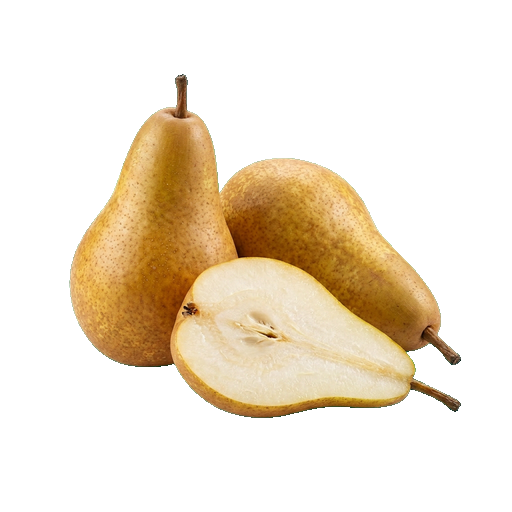
Conference pears are an autumn variety with an elongated pear shape and yellow-brown skin, often featuring characteristic lenticels. The flesh is sweet, juicy, and tender, with a pleasant aroma and subtle acidity, making them ideal for fresh eating, compotes, and desserts. When selecting, pay attention to firmness — pears should yield slightly to gentle pressure but not be soft. For long-term storage, choose slightly underripe specimens.
About
Aroma and Flavor
Conference pears are a classic that has conquered kitchens precisely with their reliability. Their flesh is dense and juicy, with a delicate honey aroma and subtle sweetness. The taste is not loud, but rather noble — without sharp acidic bursts that irritate. A ripe pear literally melts in your mouth, leaving a pleasant aftertaste.
The main difference of conference potatoes is their ability to hold their shape well when sliced and cooked. The flesh does not fall apart or become mushy, which makes it an ideal choice for those who want to see beautiful slices in their dish rather than mashed puree.
Role in dishes and pairings
Conference pear is versatile — it works in both sweet and savory contexts. In compotes and jams, the pear imparts its aroma while maintaining its structure. In salads with arugula, cheese, and nuts, it looks impressive and adds the right sweetness without being cloying. With poultry and bacon, it creates a classic pairing where the pear's subtle tartness balances the richness.
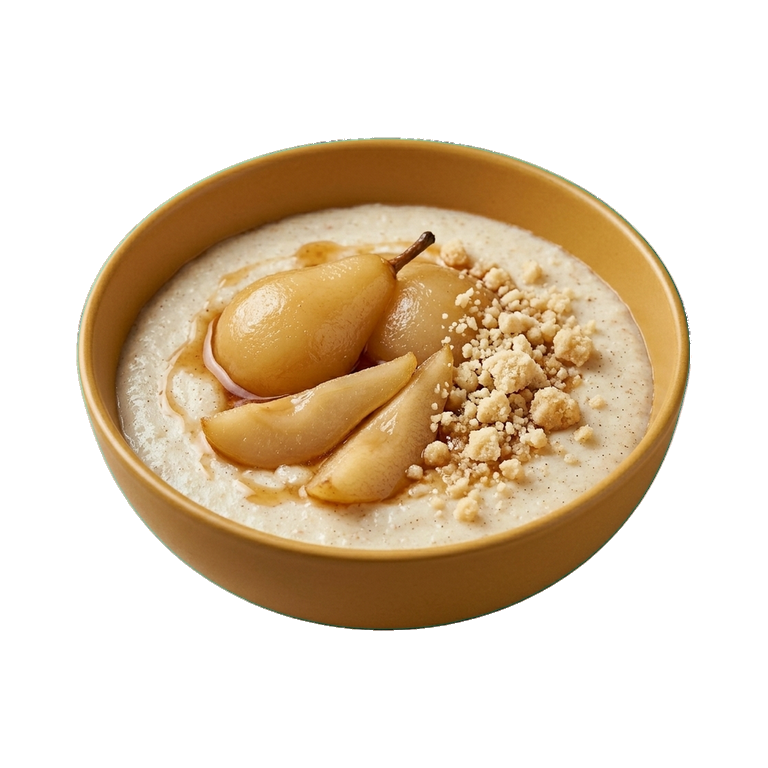
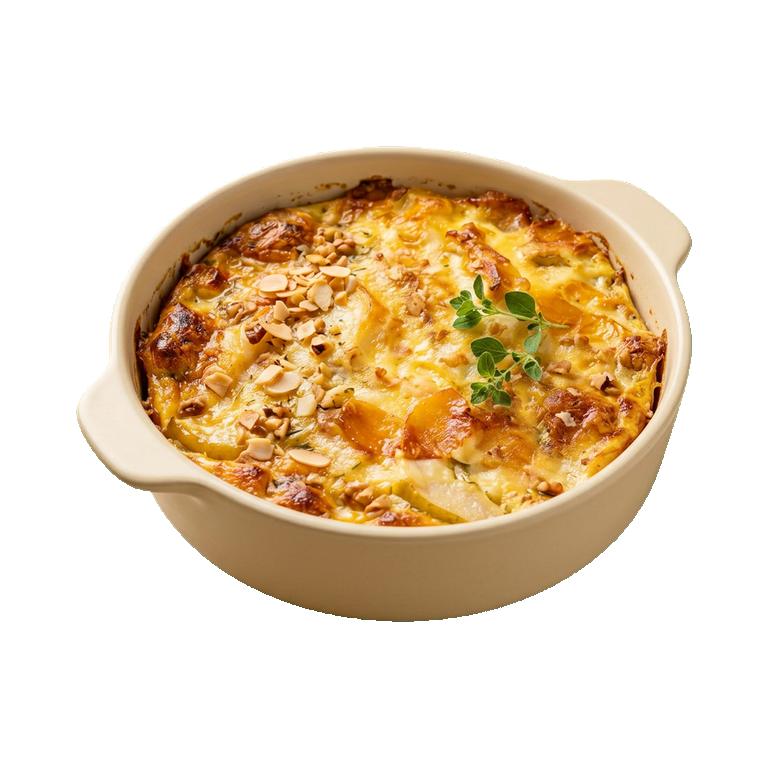
- Baked with cinnamon, honey, and nuts — the perfect dessert or cheese accompaniment
- In smoothies and purees — pear provides a creamy texture and subtle flavor to other ingredients
- On the grill — the flesh caramelizes while maintaining its shape, creating a restaurant-quality dish
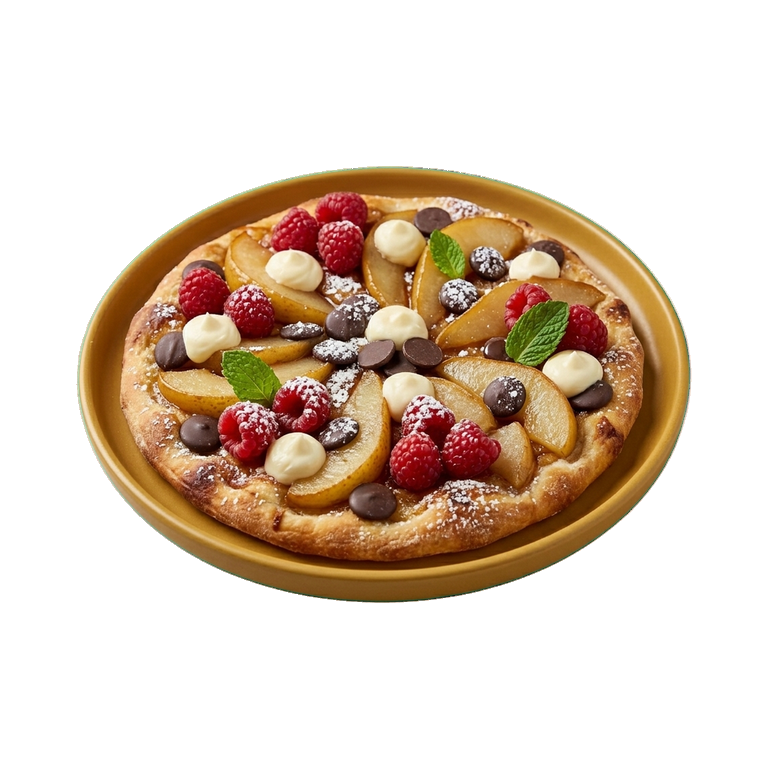
- In pies and tarts — retains moisture, doesn't make the dough soggy, and cuts neatly
Selection and Storage
When buying, pay attention to the smell — a ripe pear smells of honey and flowers. The skin should be free of dents and dark spots, but slight firmness when pressed is normal. Conference pears are often sold slightly underripe, and that's a plus: at home, the pear will ripen in a day or two at room temperature.
A ripe pear is best eaten within a few days, otherwise the flesh will start to darken from the inside. If you need to keep it longer, put the pear in the refrigerator — it will last a couple of weeks there. A freezer is suitable for long-term storage: slice it, arrange on a board, freeze it, and then place it in a container. Such pears are great for compotes and baking.
Conference is a pear that never disappoints. It requires no special skills, works in any recipe, and always delivers a pleasant result.
Nutrition
per 100 g
- Calories
- 57 kcal
- Protein
- 0.4 g
- Fat
- 0.1 g
- Carbs
- 13.7 g
Measures and weight
- 1 pcs
- 180 g
Measure calculator
- Weight
- 100 g
- Calories
- 57 kcal