Usuba
Usuba
Hazelnuts
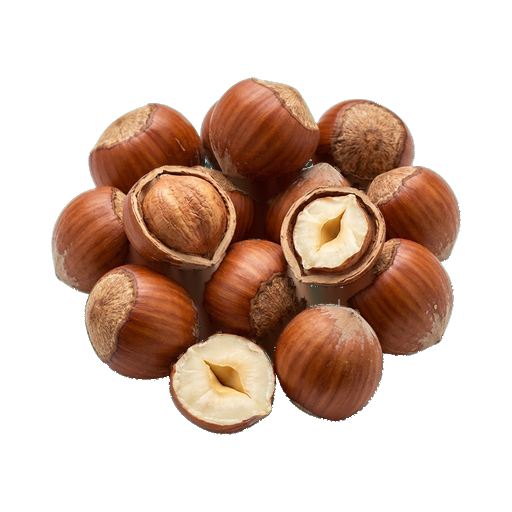
Hazelnuts are the fruits of the hazel tree with tender oily flesh and a soft, slightly sweet flavor with a barely perceptible bitterness. They are used in baking, desserts, sauces, and as a standalone snack, as well as ground into paste for creams and fillings. When selecting, pay attention to shell integrity and the absence of mold, and when storing, keep in a cool place, as the high oil content makes hazelnuts prone to rancidity.
About
Hazelnuts are a versatile ingredient that works equally well in sweet desserts and savory dishes. Their buttery texture and deep, slightly earthy flavor make them an ideal choice when you need to add richness and character to a dish. Unlike more delicate nuts, hazelnuts hold their shape during processing and don't lose their aroma even with prolonged storage.
Aroma and Taste
Raw forest nuts offer a delicate, slightly sweet flavor with herbaceous notes. But the real magic happens during roasting: the nuts reveal a rich caramel aroma and acquire a more pronounced, almost chocolatey character. The degree of roasting drastically changes the ingredient's profile — light roasting preserves delicacy, while deep roasting gives the nuts an almost smoky, intense profile.
The oil extracted from nuts during grinding has a smooth, creamy consistency. This oil is the basis of nut butters and creams that spread easily and bind other ingredients well.
Role in Dishes
- In baking: ground nuts go into cookie dough, pies and muffins, adding moisture and depth of flavor
- In sauces and dressings: nut paste becomes the base for creamy sauces for pasta or salads
- In desserts: sliced and whole nuts decorate cakes, pralines and chocolate candies
- In side dishes: roasted and chopped nuts are sprinkled over vegetable dishes and grains for texture contrast
- In beverages: hazelnut milk serves as an alternative to dairy products in porridge or coffee
Pairings
Hazelnuts sound great paired with chocolate, coffee, and caramel — this classic trio enhances their natural sweet profile. They also go well with fruits: raspberry, pear, and apple create an interesting contrast between acidity and richness. In savory dishes, nuts work with cinnamon, nutmeg, as well as garlic and herbs in sauces.
Try mixing hazelnuts with other nuts — they become more delicate with almonds, more rich and complex with walnuts.
Selection and Storage
When purchasing, pay attention to the shell's integrity — cracks and dark spots indicate improper storage. Shelled nuts should be light-colored and free from mold smell. If you're choosing between raw and roasted, remember: raw nuts last longer, but roasted ones deliver a more vibrant flavor straight from the package.
- Whole nuts in shell: store in a cool, dry place for up to a year
- Shelled nuts: keep in an airtight container in the refrigerator for 3–4 months or in the freezer for up to six months
- Nut butter: after opening, store in the refrigerator to prevent the oil from becoming rancid
If you cook with hazelnuts regularly, it's worth buying a small portion of raw nuts and roasting them at home — this way you control the intensity of the aroma and guarantee freshness.
Forest nuts are not just a flavor addition, but a full-fledged ingredient that can become the main highlight of a dish. Their oiliness, aroma, and ability to hold their shape well make them indispensable in professional kitchens and on home tables.
Nutrition
per 100 g
- Calories
- 628 kcal
- Protein
- 15 g
- Fat
- 60.8 g
- Carbs
- 16.7 g
Measures and weight
- 1 tbsp
- 9 g
- 1 tsp
- 3 g
- 1 cup
- 150 g
Measure calculator
- Weight
- 100 g
- Calories
- 628 kcal