Usuba
Usuba
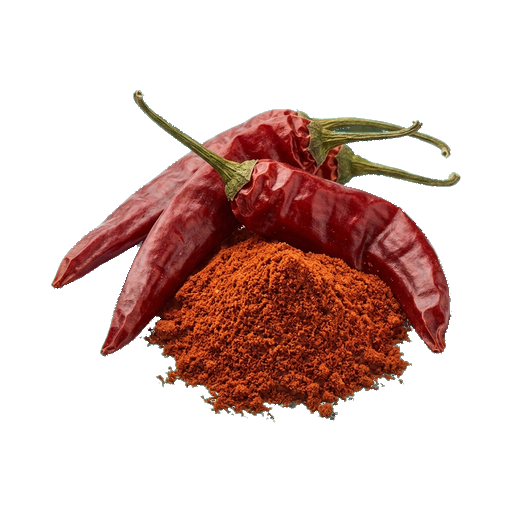
Hot Paprika
Hot paprika is a ground powder made from dried red peppers with a distinctly fiery taste and rich smoky aroma. This spice gives dishes a deep red color and sharp peppery heat, and is commonly used in Hungarian, Spanish, and Eastern European cuisine for goulash, soups, and stews. When selecting paprika, pay attention to the intensity of heat and the quality of the grind — fresh paprika has a brighter color and flavor than a package that has been open for a long time.
About
Hot paprika is not just a spice, but a tool that changes the character of a dish. Unlike sweet paprika, it carries a noticeable peppery heat and a deeper, smoky aroma. When you open a jar, you immediately feel its energy — the red powder seems to vibrate on your tongue with a promise of piquancy.
Aroma and Taste
Hot paprika unfolds in layers. The first is a pungency that appears on the tip of the tongue and gradually intensifies. The second is a deep, slightly smoky background with hints of sweet pepper. The third is a lingering aftertaste that doesn't burn but warms. This multidimensionality makes it versatile: it doesn't overpower other flavors but complements them.
Where she works
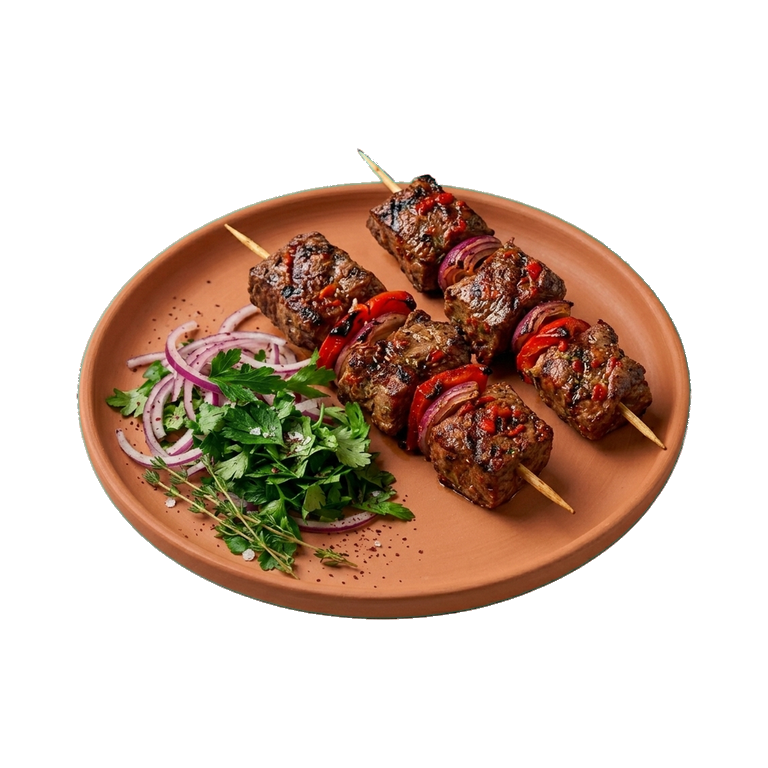
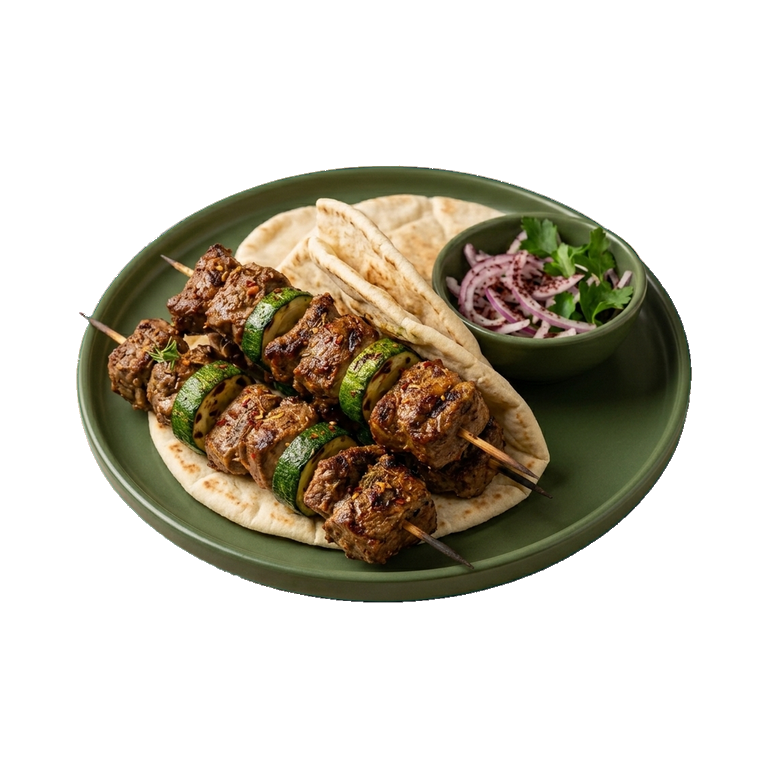
Hot paprika is the queen of Hungarian goulash and Spanish chorizo, but its influence extends far beyond European cuisine. It works wonderfully in meat marinades, adding depth and heat. In soups and stews, it truly shines when simmered in liquid. Even in simple potatoes fried with onions and this spice, you get a dish you'll want to make again.
Successful Pairings
- With garlic and onion — a classic triumvirate for marinades and pastes
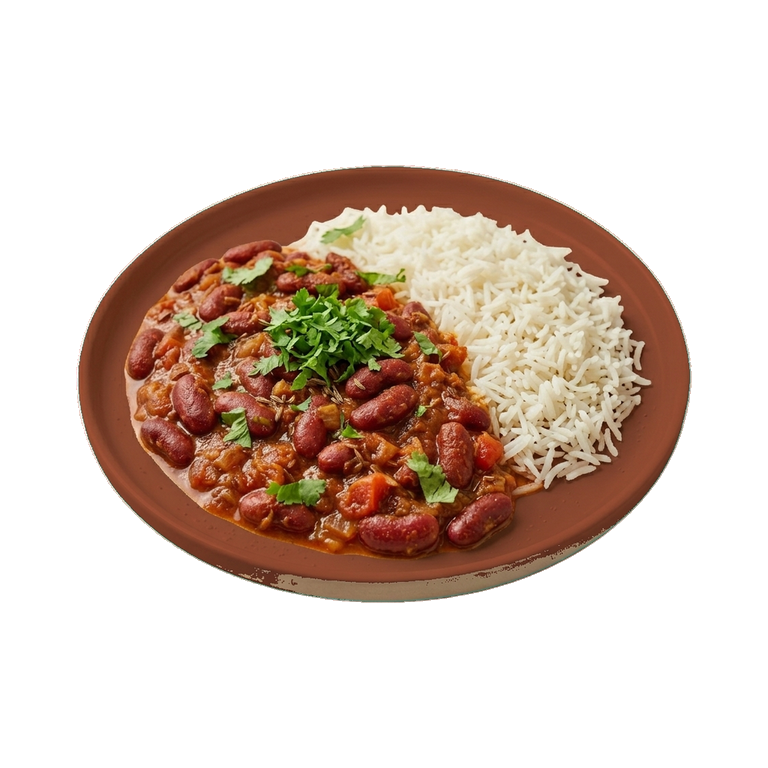
- With cumin and coriander — creates an oriental, warming profile
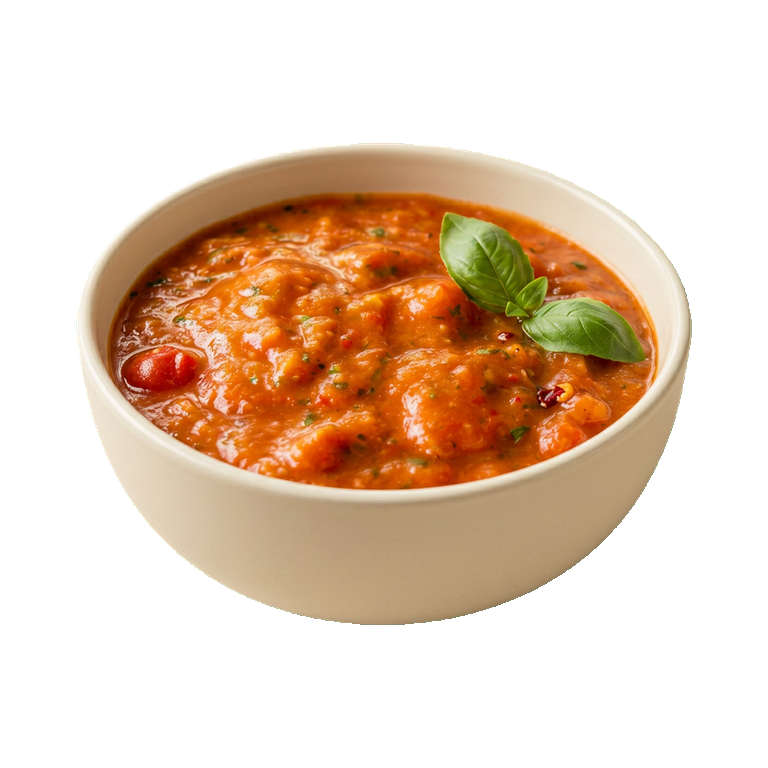
- With tomatoes — enhances their sweetness and adds drama
- With meat (beef, pork, chicken) — paprika becomes the anchor of flavor
- With cheese and sour cream — the heat softens, but remains noticeable
How to dose
Hot paprika demands respect, but not fear. Start with half a teaspoon per serving and add gradually — you can always increase the heat, but you can't take it back. If cooking for different people, it's better to set the paprika aside and let everyone adjust the spiciness on their own. Remember: with prolonged heat treatment, the spiciness softens slightly, but the aroma becomes more vibrant.
Selection and Storage
Look for paprika with a rich red color — this is a sign of freshness and quality. The powder should be uniform, without lumps or moisture. Smell it — the aroma should be lively and bright, without musty notes. Store in a hermetic glass jar away from light and heat. With proper storage, hot paprika retains its character for about a year, but it's best to use it within the first six months while the aroma is at its peak.
Hot paprika is not an aggressive spice if you respect its dosage. It adds depth, not just heat.
Nutrition
per 100 g
- Calories
- 282 kcal
- Protein
- 14.3 g
- Fat
- 12.9 g
- Carbs
- 54.9 g
Measures and weight
- 1 tbsp
- 13.5 g
- 1 tsp
- 4.5 g
- 1 cup
- 225 g
Measure calculator
- Weight
- 100 g
- Calories
- 282 kcal