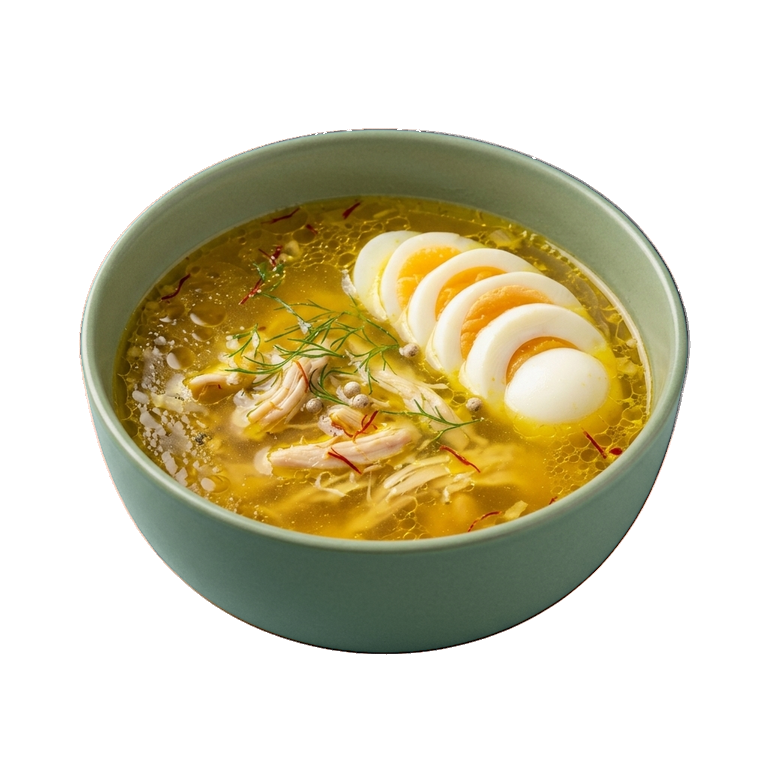
Usuba
Usuba
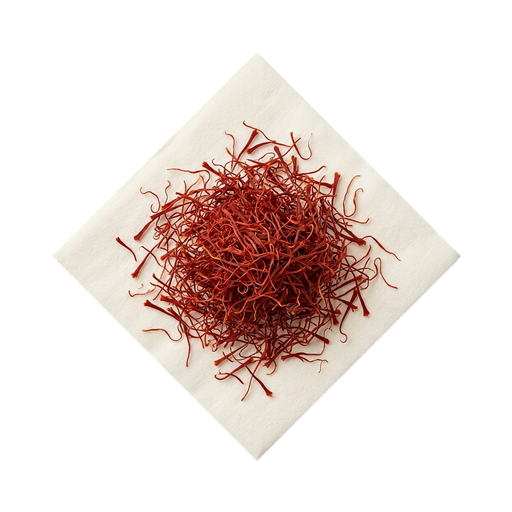
Imeritian Saffron
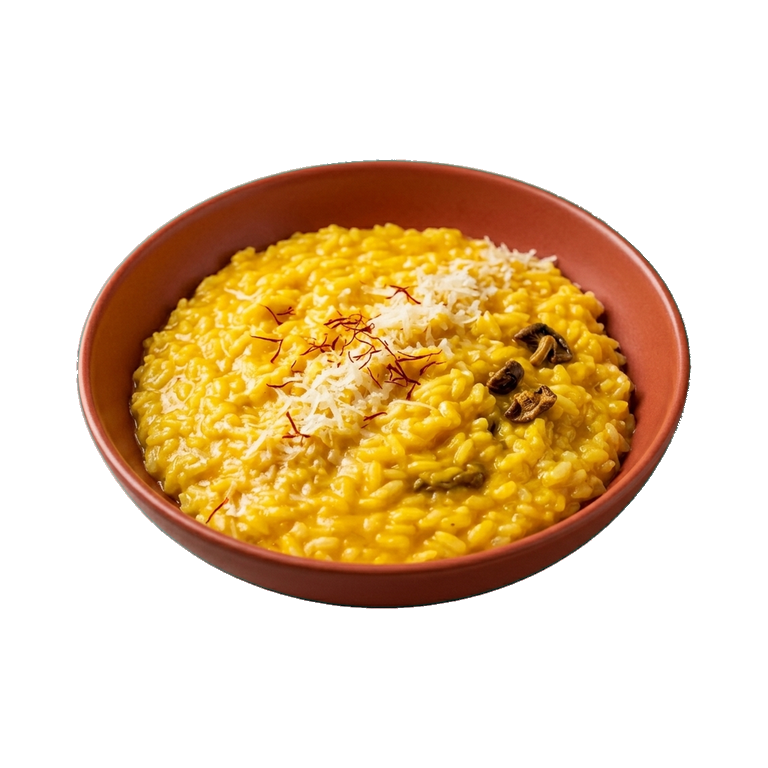
Imeritian saffron is dried crocus stigmas harvested from the Imereti region of Georgia, characterized by a bitter-spicy flavor and rich golden color. The spice boasts a complex aroma with notes of hay and subtle strawberry sweetness, traditionally used in Georgian dishes, risotto, and rice side dishes to add color and depth of flavor. When selecting, pay attention to the brightness of the red-orange color of the threads — the more saturated the color, the higher the quality of the spice and its ability to color dishes.
About
What is this really
Imeritian saffron is not saffron in the classical sense at all. Behind this name lies dried and ground turmeric, which in Georgian cuisine has earned its own name and the reputation of an indispensable spice. Residents of the Imereti region have used it in everyday cooking for centuries, and over time this spice became a symbol of local taste. A golden powder with a warm, slightly bitter aroma — that's what ends up in your container.
Aroma and flavor in dishes
Imeritian saffron works more gently and delicately than sharp spices. Its flavor is earthy, slightly spicy, with a barely perceptible bitterness that unfolds on the tongue gradually. The aroma develops when heated: it warms, becomes more intense, but never dominates. This is a seasoning that emphasizes the natural flavor of the main ingredients rather than overpowering them.
In Georgian cuisine, this spice is added to meat stews, pilaf, soups, and even some sauces. It works well in dishes with rice, beans, potatoes — anywhere you need a subtle golden note without aggression. The powder dissolves easily in oil or broth, distributing its flavor evenly throughout the dish.
How to use and combine
- Add a pinch to hot oil at the beginning of cooking to release the aroma
- For meat dishes, use 1/4–1/2 teaspoon per serving
- Pairs well with garlic, onion, coriander, and black pepper
- Works great with acidity: lemon juice or tomatoes help bring out its flavor
- Does not require long cooking — add 15–20 minutes before the end of cooking
Selection and Storage
When purchasing, pay attention to the color: good Imeritian saffron has a rich yellow-orange hue, without lumps or foreign impurities. The smell should be clean, spicy, without mustiness. If the powder cakes or smells damp, it's better to choose another package.
Store the spice in an airtight container in a cool, dark place — a kitchen cabinet away from the stove works well. The shelf life is usually one year, but it's best to use it within 6–8 months while the aroma remains vibrant. Keep it away from strongly scented products: turmeric easily absorbs foreign odors.
Imeritian saffron is not an exotic decoration, but a working spice that makes everyday dishes warmer and more harmonious. Try adding it to your next stew or pilaf, and you'll understand why Georgians never cook without it.
Nutrition
per 100 g
- Calories
- 310 kcal
- Protein
- 11.9 g
- Fat
- 5.9 g
- Carbs
- 65.4 g
Measures and weight
- 1 tbsp
- 13.5 g
- 1 tsp
- 4.5 g
- 1 cup
- 225 g
Measure calculator
- Weight
- 100 g
- Calories
- 310 kcal