Usuba
Usuba
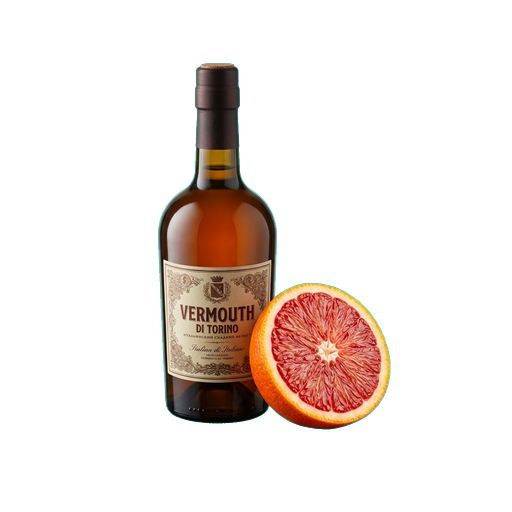
Italian Sweet Vermouth
Fortified wine made from grape spirit, infused with herbs, spices, and aromatic plants, with added sugar or caramel. Distinguished by a soft, sweet taste with notes of vanilla, cinnamon, and bitter herbs, with an amber or dark brown color. Used in cooking for making cocktails, added to meat sauces and desserts, and pairs well with bitter and strong spirits to create balanced drinks.
About
Italian sweet vermouth is a fortified wine that has become an integral part of bar culture and home cooking. Its thick consistency, rich color, and generous sweetness make it a recognizable drink, but its role in culinary arts extends far beyond being just an aperitif. Vermouth works in cocktails, sauces, marinades, and even sweet dishes, adding depth and complexity to the flavor.
Aroma and Flavor
In the bouquet of Italian sweet vermouth, herbaceous notes are heard — wormwood, of course, but also softer nuances of chamomile, lemon zest. The taste begins with fruity sweetness, but not cloying: caramel, raisins, a hint of vanilla. Then come bitter herbal chords that balance the sugar and create an intriguing finish. This is a drink with character — not just sweet, but multi-layered.
Role in dishes
Vermouth is indispensable behind the bar: it is drunk chilled as an aperitif and added to classic cocktails. But in the kitchen, its possibilities are even more interesting. A few spoonfuls of vermouth poured into a sauce for meat or poultry dissolve fat, add piquancy, and soften harshness. In marinades for vegetables or fish, vermouth works as a preservative and flavoring agent at the same time. Its sweetness is excellent in glazes for ribs or in dessert sauces.
Combinations and Proportions
- With red meat: vermouth perfectly complements sauces for beef and lamb, especially if they contain tomatoes or mushrooms
- With seafood: add gradually to sauces for oysters, mussels, shrimp — herbal notes emphasize the seafood flavor
- With fruits: vermouth works well in compotes, jams, in marinades for pears and plums
- In baking: a small amount can replace part of the liquid in dough for pies with fruits or nuts
When cooking, remember: vermouth contains alcohol that evaporates when heated, but the aroma remains. Add it at the beginning of cooking to allow the alcohol to evaporate. For sauces, 50–100 ml per serving of four people is sufficient. If you're worried about overdoing the sweetness, start with a smaller amount — vermouth is easy to add but difficult to remove.
Selection and Storage
Choose vermouth in a glass bottle where you can see a deep brown or reddish liquid with no sediment. The label should clearly indicate that this is Italian vermouth (not French) and that it is sweet (usually written as sweet or rosso). Check the date: vermouth is not wine that improves with age. Fresh vermouth tastes better.
After opening, store vermouth in a cool place, preferably in the refrigerator. A sealed bottle maintains its quality for 3–4 months, but it's best to use it within a month or two: over time, the aroma becomes less pronounced. If you use vermouth infrequently, buy smaller bottles — half a liter or even 375 ml.
Italian sweet vermouth is not just an aperitif, but a full-fledged ingredient that enriches the taste of finished dishes. Try adding it to your arsenal, and you'll discover that many sauces and marinades acquire a new dimension.
Nutrition
per 100 ml
- Calories
- 159 kcal
- Protein
- 0.1 g
- Fat
- 0 g
- Carbs
- 16 g
Measures and weight
- 1 tbsp
- 15.8 g
- 1 tsp
- 5.3 g
- 1 cup
- 262.5 g
Measure calculator
- Weight
- 100 g
- Calories
- 151 kcal