Usuba
Usuba
Italian salad dressing
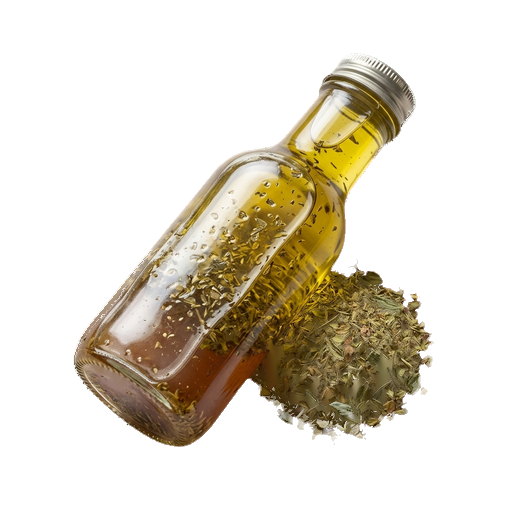
This dressing is an emulsion of olive oil, vinegar, and a blend of dried herbs — typically oregano, basil, and thyme. It is characterized by a vibrant herbal aroma with a subtle acidity and piquancy that works well on fresh vegetables, tomato and mozzarella salads. When using, it is important to whisk the dressing thoroughly before serving, as it tends to separate. When stored in the refrigerator, the oil may thicken — simply remove it 15–20 minutes before use.
About
Italian salad dressing is not just a sauce, but a reflection of Mediterranean cuisine philosophy: simple quality ingredients, minimal processing, maximum flavor. Its foundation consists of olive oil, vinegar, and spices that, in the right proportion, turn any salad into a dish with character. Ready-made dressing saves time, but understanding its structure will help you vary the taste for different dishes and preferences.
Taste and Aroma
Classic Italian dressing boasts a bright, vibrant flavor: the piquant acidity of vinegar is balanced by the smoothness of oil, and herbs (oregano, basil, thyme) impart a distinctive Mediterranean character. In a good dressing, you can taste garlic—not obtrusively, but as a background note that brings all the components together. Some versions contain red pepper or lemon, which adds freshness and a subtle heat.
The aroma of the dressing immediately reveals its authenticity: if it smells only of oil and acid — you are most likely looking at a universal sauce. The genuine Italian version smells of herbs and garlic, and the smell is fresh, not musty. When you open the bottle, you should notice notes of oregano and a light peppery hint.
Where and how to use
The main purpose of this dressing is for salads with tomatoes, cucumbers, bell peppers, and leafy greens. However, its uses are much broader. Use it for marinating vegetables before grilling, for pouring over meat before baking, for adding flavor to bread with butter. The dressing works wonderfully with white beans, mozzarella, and tomatoes — a classic combination that never goes out of style.
- Green salads and fresh vegetable salads
- Marinade for vegetables and meat before cooking
- Sauce for bread and croutons
- Dressing for pasta salads
- Dip for vegetables and bread
Selection and Storage
When choosing a ready-made dressing, pay attention to the ingredient list: it should contain oil, vinegar, herbs and spices, without unnecessary thickeners and preservatives. The shorter the list, the better. Check that the oil has not separated from other components in the bottle: slight separation is normal, but it should mix easily when shaken.
Store the dressing in a cool place, away from direct sunlight. Keep an opened bottle in the refrigerator and use it within a month — oil can oxidize over time and lose its freshness. If you prefer to make the dressing yourself, mix three parts olive oil with one part red or white wine vinegar, add dried oregano, garlic, salt and pepper. This version keeps in the refrigerator for two weeks and is always ready to use.
Italian salad dressing is an investment in simplicity and quality. It transforms an ordinary salad into a complete dish and saves time in the kitchen, especially when you need to put together dinner quickly. Keep it on hand, and your salads will always be delicious.
Nutrition
per 100 ml
- Calories
- 150 kcal
- Protein
- 0.5 g
- Fat
- 12 g
- Carbs
- 9 g
Measures and weight
- 1 tbsp
- 15 g
- 1 tsp
- 5 g
- 1 cup
- 250 g
Measure calculator
- Weight
- 100 g
- Calories
- 150 kcal