Usuba
Usuba
Sprat
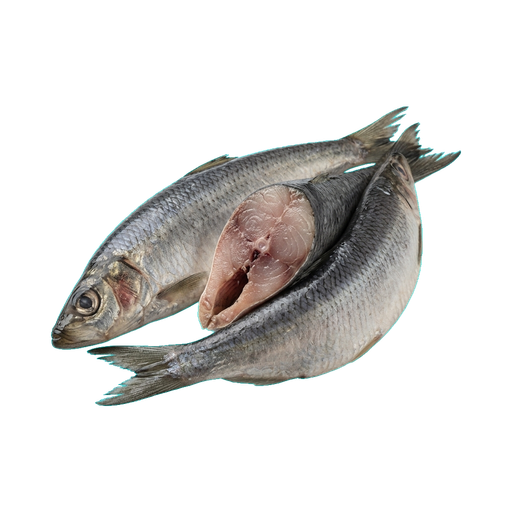
Sprat is a small saltwater fish of the herring family, most commonly used in smoked or canned form. Its tender meat has a rich fishy flavor with a slight bitterness, and its thin bones are completely edible. Sprat is perfect for appetizers, salads, sandwiches, and adding to dishes where you need a bright fish note without any preliminary preparation.
About
Sprat is a small fish that has long earned a place on our tables. It is valued for its versatility: it can be prepared fresh, smoked, salted, or canned. The fish is so small that it is often cooked whole, together with bones and entrails, which makes it a convenient ingredient for quick dishes.
Aroma and Taste
Sprat meat is tender and slightly sweet, with a pronounced fish aroma. The taste depends on the processing method: fresh sprat has a mild, delicate flavor, smoked sprat acquires a smoky note and becomes more intense, salted sprat has a distinctly salty profile with a slight bitterness.
Role in dishes
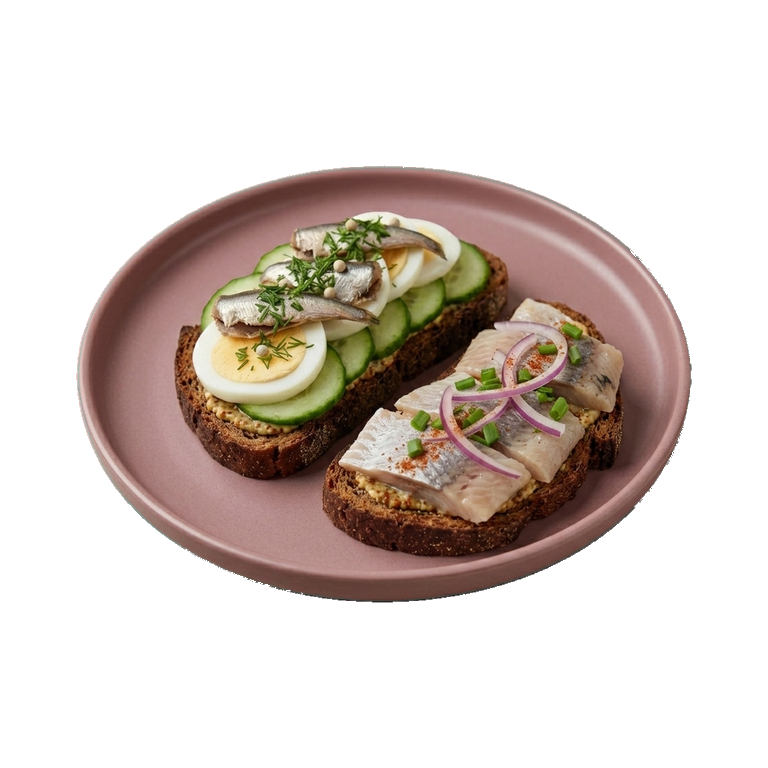
- Appetizers and aperitifs — smoked or salted sprat is served as a standalone dish with bread and butter
- Salads — fresh or canned sprat adds a fish accent and protein
- Hot dishes — fried in a pan, baked in the oven, added to soups
- Pâtés and spreads — smoked sprat is minced and mixed with butter and spices
Pairings
Sprat pairs well with acidity — lemon, vinegar, and marinades highlight its flavor and make it easier to enjoy. It goes well with spicy ingredients: mustard, horseradish, and black pepper enhance its character. Oil, cream, and sour cream soften the fishy taste if you want something more delicate. On the table, sprat goes well with black bread, boiled potatoes, fresh vegetables, and herbs.
Selection and Storage
- Fresh sprat should have clear eyes, a firm body and a pleasant sea smell, with no signs of slime
- Smoked sprat — choose with a golden color, without any traces of mold and rancid smell
- Canned sprat in oil or tomato is stored in a cool place, a sealed jar — for several months
- Use fresh fish on the day of purchase or freeze it — in the freezer it lasts up to three months
- Salted sprat is stored in the refrigerator in brine in glass or ceramic containers
Practical Tips
If sprat is too salty, soak it in cold water for 15–30 minutes before cooking. For pan-frying, there's no need to clean and gut the fish — just rinse, dry, and put it in hot oil. Sprat cooks quickly, literally 2–3 minutes on each side. If you're cooking a whole fish in the oven, wrap it in foil with lemon and herbs — this way it will stay juicy.
Nutrition
per 100 g
- Calories
- 137 kcal
- Protein
- 14.5 g
- Fat
- 9 g
- Carbs
- 0 g
Measures and weight
- 1 pcs
- 10 g
Measure calculator
- Weight
- 100 g
- Calories
- 137 kcal