Usuba
Usuba
Confectionery decorations
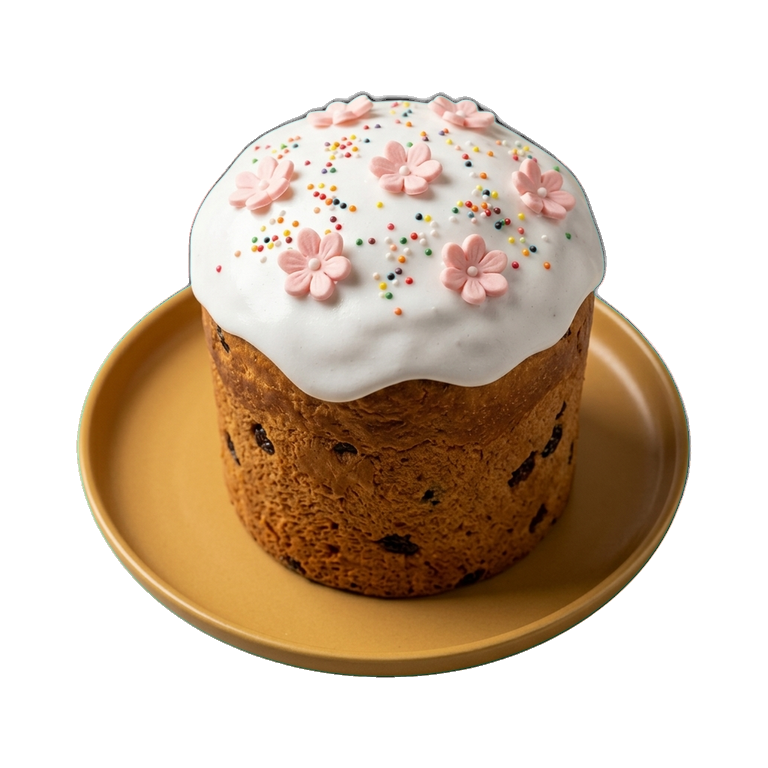
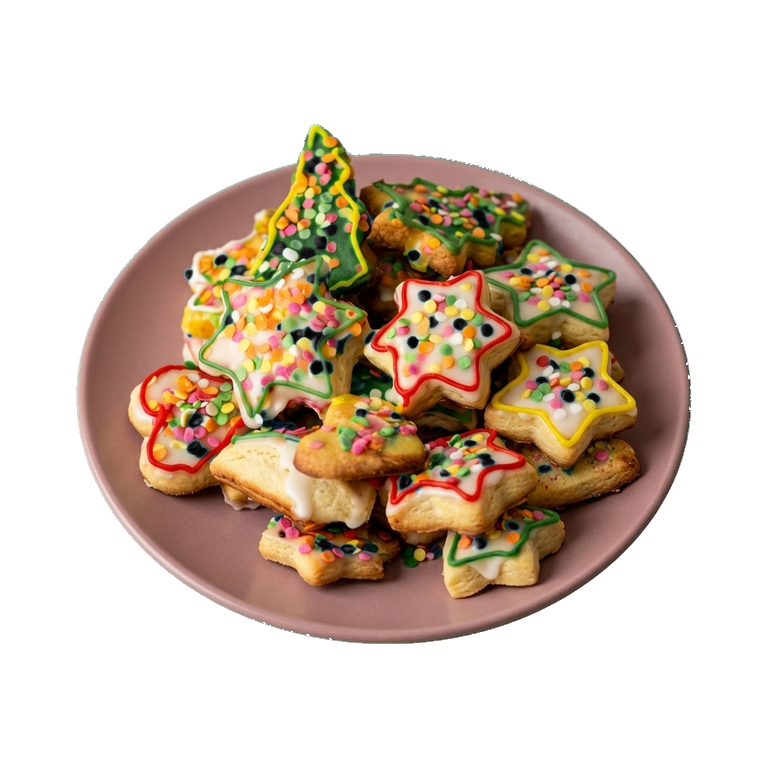
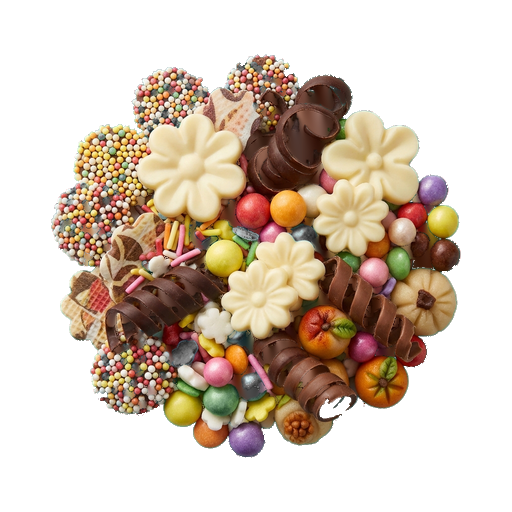
Confectionery decorations are edible and non-edible elements for decorating cakes, pastries, and other sweet dishes. These include fondant, marzipan, icing, sugar paste, wafer sheets, edible glitter, chocolate figurines, and plastic decorations. When choosing decorations, it is important to consider their compatibility with the filling and coating of the dessert, as moisture can damage some elements, and non-edible details should be removed before serving.
About
Confectionery decorations are not just décor, but a tool that transforms an ordinary cake or cupcake into a work of art. They work on two levels: visual, creating a first impression, and practical, helping to structure the composition of the dessert. Well-chosen decorations make a dish recognizable, festive, or, conversely, minimalist — it all depends on your idea.
Variety of forms and materials
The shelves of confectionery shops display decorations in a huge assortment. These can be balls, stars, hearts, animal figurines — anything your imagination suggests. Materials vary: sugar paste, chocolate elements, caramel decorations, edible glitter and pearl dust, wafer figurines, dried fruits, glazed nuts. Each material has its own properties — some melt on the tongue, others remain crispy, and still others serve more for visual effect.
- Sugar decorations (balls, pearls, sticks) — light, crispy, dissolve quickly
- Chocolate elements (shavings, curls, figurines) — rich flavor, require coolness
- Caramel decorations — fragile, glossy, add a hint of bitterness
- Edible glitter and paints — pure visual effect, almost no taste
- Waffle and baked elements — structural, hold their shape for a long time
How to use in work
Main rule: decorations are attached to fresh glaze, cream, or melted chocolate. If the base has already dried, use food-safe glue or simply press the decoration into a soft layer. For a cake with delicate cream, choose light elements so they don't sink in. Heavy decorations are better placed on a dense base or fondant.
The timing of applying decorations is critical. If you're using chocolate elements, work quickly — they can soften from the heat of the cream. Sugar decorations are best applied at the last moment before serving, otherwise they will absorb moisture and lose their shine. Edible glitter and paints are applied at the end, when everything else is already ready.
Selection and Storage
When purchasing, pay attention to the integrity of the packaging and expiration date. Decorations should be dry, without lumps or coating. If you cook often, it makes sense to keep a basic set at home: colorful sugar balls, chocolate chips, edible glitter, and several types of figurines. This will allow you to quickly transform any dessert.
Store decorations in a dry place at room temperature, in airtight containers or original packaging. Humidity is the enemy of sugar and caramel elements—they stick together and lose their appeal. Keep chocolate decorations away from heat, otherwise they will lose their shape. Most decorations maintain their quality for one to two years with proper storage.
Combinations and Composition
Don't be afraid to combine different types of decorations, but remember to maintain balance. If you're using bright sugar balls, limit the amount of edible glitter. Texture contrast works great: crispy elements on smooth cream, shiny decorations next to matte fondant. Color harmony is also important: three to four colors in one composition look much better than a rainbow of ten shades.
- Minimalist approach: one type of decoration, one or two colors, asymmetrical arrangement
- Classic: central element (large decoration) and supporting details on the sides
- Festive: abundant decoration throughout the surface, bright colors, play of textures
- Thematic: decorations selected for the event (Christmas trees and snowflakes for New Year, flowers for spring)
Confectionery decorations are a way to express yourself through sweets. They help beginners create beautiful results without special skills, and give experienced pastry chefs room for experimentation. The main thing is not to overcomplicate things and remember that decoration should complement the taste of the dessert, not compete with it.
Nutrition
per 100 g
- Calories
- 390 kcal
- Protein
- 0.5 g
- Fat
- 1 g
- Carbs
- 95 g
Measures and weight
- 1 tbsp
- 10.5 g
- 1 tsp
- 3.5 g
- 1 cup
- 175 g
Measure calculator
- Weight
- 100 g
- Calories
- 390 kcal