Usuba
Usuba
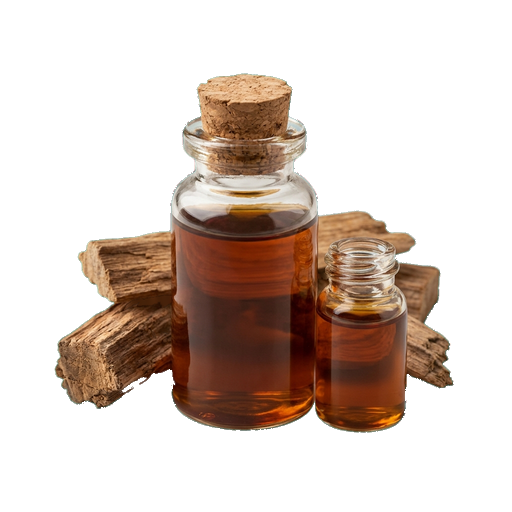
Liquid smoke
Smoking liquid is a concentrated smoke-based flavoring that gives products a characteristic smoked taste and aroma without lengthy processing in a smoker. It is used for marinating meat, fish, cheese, and vegetables, as well as added to sauces and broths. When using, it is important to follow the dosage carefully, as the liquid is highly concentrated and can easily overpower a dish with a bitter aftertaste.
About
Liquid smoke is a concentrated flavoring that recreates the taste and aroma of smoky smoking without the need to light a fire or run a smoker for hours. It is a liquid extract obtained by condensing smoke from burning wood, and allows you to quickly give dishes a characteristic smoky profile right in your kitchen.
Taste, aroma and characteristics
The flavor profile of liquid smoke depends on the type of wood used in its production. Smoke from fruit woods (apple, cherry) gives a mild, slightly sweet note. Coniferous and hardwoods (oak, alder) create a more sharp, intense smoky taste. On the palate, you can feel a slight bitterness and smoky sweetness at the same time.
The main difference of liquid flavoring is its concentration. Just a few drops or milliliters can change the taste of an entire dish. It's easy to overdo it, so it's better to add it little by little, tasting as you go. The liquid distributes easily in marinades, sauces, and even in finished dishes, penetrating evenly.
Where and how to use
- Marinades for meat, fish and poultry — add 2–4 hours before cooking
- Sauces and dips — mix with mayonnaise, sour cream or mustard
- Cooking oil — a few drops in butter or vegetable oil before frying
- Soups and broths — a drop at the end of cooking for depth of flavor
- Cheese, cottage cheese and dairy products — for an unusual smoky accent
- Grilled vegetables — mix with olive oil before baking
Start with minimal doses: a quarter teaspoon per kilogram of meat or liter of marinade. Remember that flavor intensity increases with heat, so a dish that seemed insufficiently smoky in its raw state may become too saturated after cooking.
Successful Pairings
Liquid smoke shines brightest with fatty meats: pork, beef ribs, duck. It pairs well with sharp spices (black pepper, chili, paprika) and acidity (lemon, vinegar). Honey and sweet notes (brown sugar, molasses) create contrast and balance the harshness of smoke.
- With garlic, onion and ginger — classic base for marinades
- With soy sauce and mirin — Asian variations
- With mustard and horseradish — spicy appetizer
- With maple syrup and bacon — sweet and smoky combination
Selection and Storage
When purchasing, pay attention to the composition: quality smoking liquid should contain only smoke extract, water, and sometimes natural stabilizers. Avoid products with a long list of chemical additives and artificial flavorings — they give an unnatural taste.
- Store in a cool, dark place at room temperature or in the refrigerator
- Close the lid tightly after each use — the liquid quickly loses its aroma in air
- Shelf life is usually 2–3 years, but check the date on the package
- If the liquid has separated or changed color, it's better not to use it
Smoking liquid is a helper for those who want to get a smoked flavor without special equipment and lengthy preparation. It requires precision in dosing, but when used correctly, it transforms an ordinary dish into a restaurant-quality one.
Nutrition
per 100 ml
- Calories
- 0 kcal
- Protein
- 0 g
- Fat
- 0 g
- Carbs
- 0 g
Measures and weight
- 1 tbsp
- 15 g
- 1 tsp
- 5 g
- 1 cup
- 250 g
Measure calculator
- Weight
- 100 g
- Calories
- 0 kcal