Usuba
Usuba
Fennel root
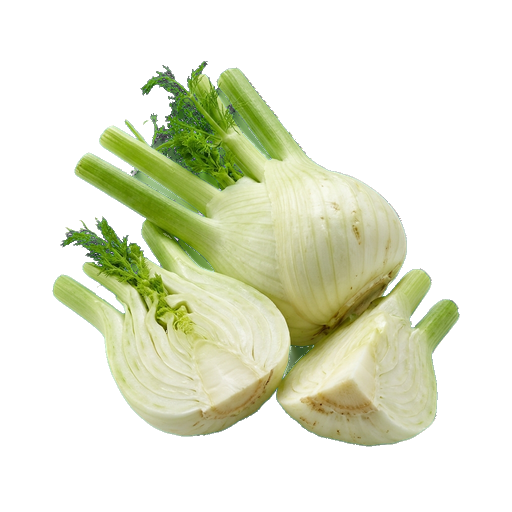
Fennel root has a slightly sweet taste with delicate anise notes and a dense, crispy texture. It is used in salads, braised as a side dish, and added to soups and broths, where it imparts a delicate aroma and subtle sweetness. When selecting, prefer young roots with smooth skin without dark spots, and before cooking, remove the outer layer and slice thinly so the root cooks faster and absorbs sauces better.
About
Fennel root is part of the plant that often remains overshadowed by the popular seed. However, in cooking it deserves special attention: it has a softer and sweeter taste than seeds, with a subtle anise note and barely perceptible bitterness. When you cut fresh root, you can feel a bright herbal aroma with honey undertones.
Taste and Aroma
Young roots are more tender and sweeter, with an almost fruity aftertaste. Mature roots become denser and acquire a more pronounced bitterness, which with proper preparation transforms into pleasant complexity. In raw form, the root is crispy and juicy; when heat-treated, it softens and reveals deeper, caramel notes.
Where to use
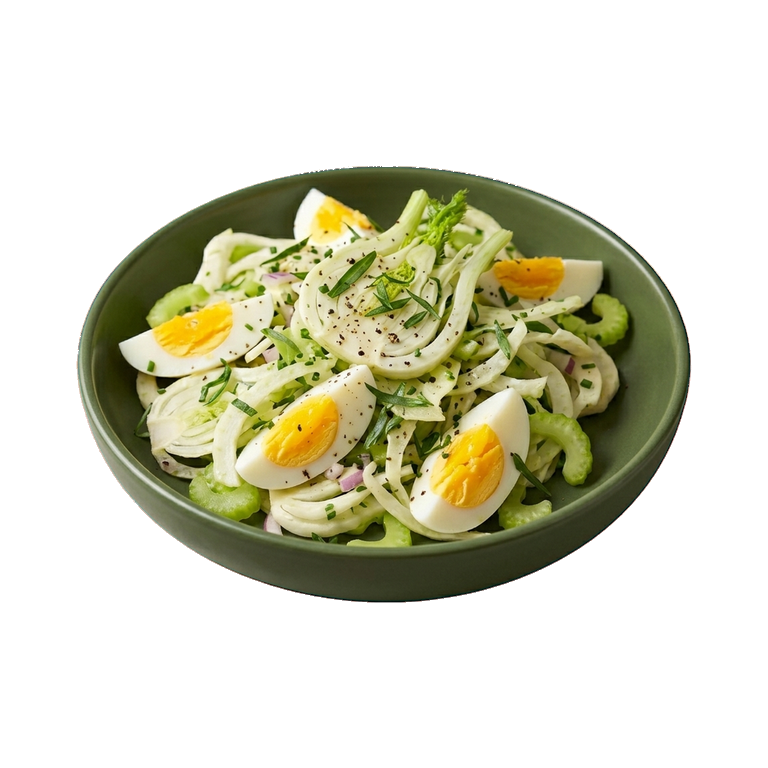
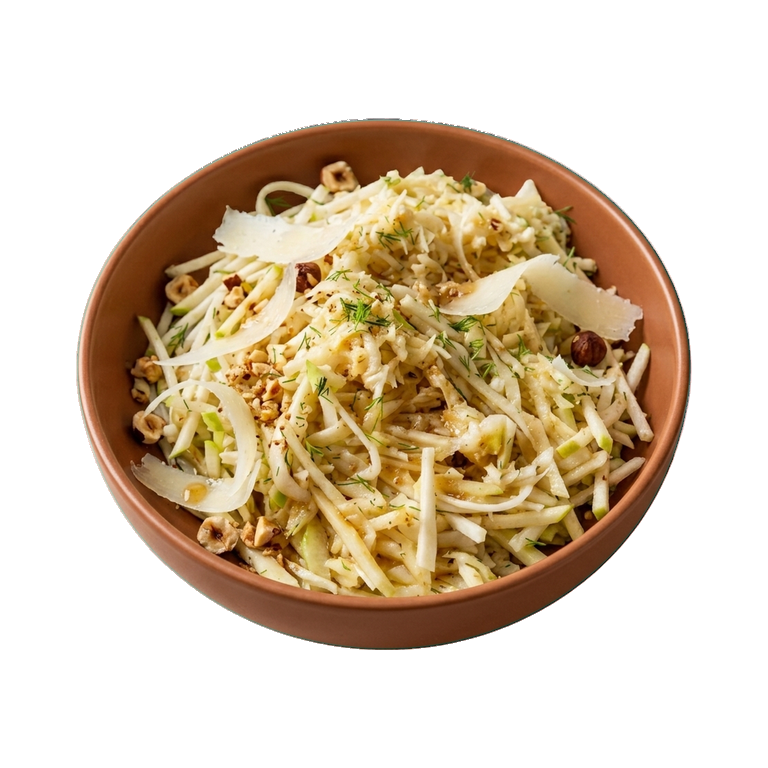
Fennel root works well in salads, where it is thinly sliced and served raw — crunchiness and freshness become the main advantage. It looks great in vegetable stews, is fried as a side dish, and added to soups and broths. It pairs especially well with seafood and white fish: the anise note highlights their delicacy, while a slight bitterness balances the richness.
- Raw salads with thinly sliced root and citrus dressing
- Baked or stewed side dish for fish and chicken
- Vegetable soups and creams
- Marinades and pickles thanks to slightly spicy flavor
- Broths and infusions for flavoring
Successful Combinations
Fennel root easily finds common ground with citrus — lemon and orange accentuate its sweetness. It pairs well with white wine, olive oil, and fresh herbs: dill, parsley, and tarragon. Tomatoes, carrots, and new potatoes look great alongside it on the table. In spiced dishes, you can add a bit of black pepper or ginger — they will enhance the warming effect.
Selection and Storage
Look for roots that are white or light green in color without dark spots or soft areas. They should be firm when pressed, with clean skin. The smell should be fresh and herbaceous, without any mustiness. Young roots are usually thinner and more tender, which is good for salads; larger ones are suitable for baking and stewing.
In the refrigerator's vegetable compartment, the root keeps for a week, and when wrapped in a damp cloth — up to two weeks. If you plan to use it later, slice it and freeze it: after thawing, the structure will become softer, so frozen root works better in soups and stews than in salads. Before using, remove the top layer of skin if it has darkened or dried out.
Fennel root is not just a byproduct: it's a full-fledged ingredient with its own logic and character. Start with a simple salad to get a feel for its taste, and then experiment with heat treatment. You'll quickly understand why experienced chefs never throw away this part of the plant.
Nutrition
per 100 g
- Calories
- 31 kcal
- Protein
- 1.2 g
- Fat
- 0.2 g
- Carbs
- 7.3 g
Measures and weight
- 1 pcs
- 250 g
Measure calculator
- Weight
- 100 g
- Calories
- 31 kcal