Usuba
Usuba
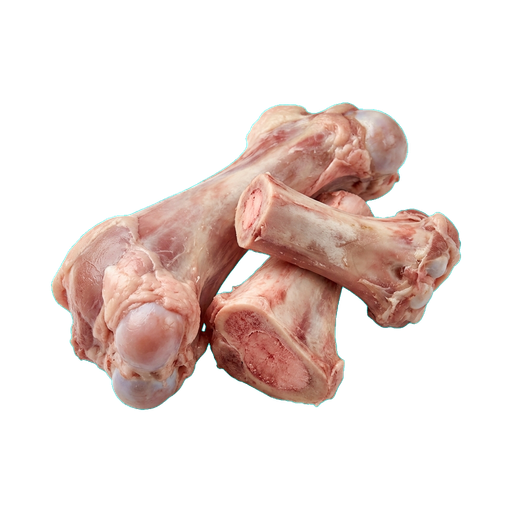
Lamb bone
Lamb bone is a valuable source of gelatin and collagen, ideal for making broths that develop rich flavor and delicate texture. Marrow bones contain nutritious bone marrow used in sauces and stews, while tubular bones enrich dishes with minerals and add depth of flavor. When selecting, prefer fresh bones with a pink tint and avoid darkened ones or those with an unpleasant smell; for a stronger broth, roast the bones in the oven beforehand.
About
Lamb bone is not just a production byproduct, but a full-fledged ingredient that transforms an ordinary broth into a deep, rich drink with a complex flavor. It is valued for its ability to impart a delicate aroma to meat and vegetables, as well as for the gelatin it contains, which makes the finished dish more rounded and appetizing.
Aroma and Taste
Lamb bone has a characteristic, but not aggressive aroma — meaty and warm, with a slight piquancy. During prolonged cooking, it gradually unfolds, not overpowering but complementing other components of the dish. The taste becomes more delicate than from a whole piece of meat, because bone marrow and collagen create a velvety texture of the broth.
Role in dishes
- Base for broths and soups — especially in traditional recipes for pilaf, shurpa and lagman
- Component for aspic and meat jelly, where gelatin from bones forms the desired consistency
- Addition to stewed meat, which gives sauce depth and viscosity without using flour
- Base for concentrated broths, which are stored and used as a foundation for quick lunches
How to Cook
Before cooking, it's best to blanch the bone with boiling water or quickly roast it in the oven at high temperature — this will remove excess impurities and give the broth clarity. Simmer slowly over low heat for a minimum of two to three hours. Skim off the foam during the first 20–30 minutes. If you want a maximally rich broth, keep the bone in water for 5–6 hours. Add vegetables (carrots, celery, onion) approximately halfway through cooking so they don't fall apart and cloud the liquid.
Selection and Storage
Look for bones with meat remnants and pinkish bone marrow — these are signs of freshness. They should be free of foreign odors and clean in appearance. If you're buying frozen bones, make sure they don't have an ice crust thicker than a few millimeters. Raw bones can be stored in the refrigerator for 2–3 days, or in the freezer for several months. Keep finished lamb broth in the refrigerator for up to four days, or freeze it in portions for convenience.
What pairs with
- Traditional spices: turmeric, cumin, coriander, black pepper
- Vegetables: carrot, onion, tomatoes, eggplant, bell pepper
- Herbs: cilantro, parsley, dill, mint
- Grains and pasta: rice, chickpeas, beans, noodles
- Dairy products: yogurt, kumiss for serving or marinades
Lamb bone is an investment of time that pays off in flavor. One good broth becomes the foundation for a whole series of dishes, so it makes sense to cook it in bulk. Even if you cook rarely, frozen concentrated broth always comes in handy when you need to quickly put together a flavorful meal.
Nutrition
per 100 g
- Calories
- 150 kcal
- Protein
- 15 g
- Fat
- 10 g
- Carbs
- 0 g
Measure calculator
- Weight
- 100 g
- Calories
- 150 kcal