Usuba
Usuba
Nettle
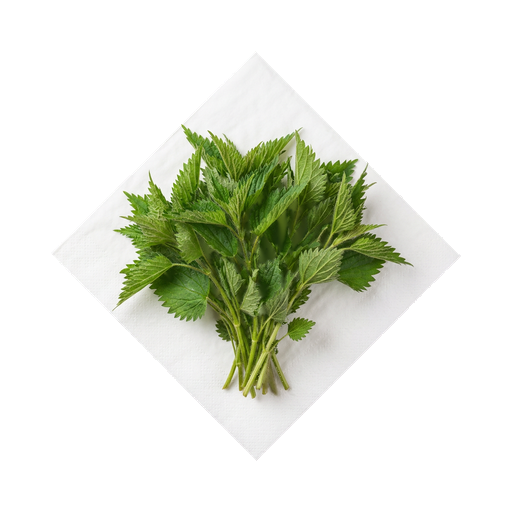
Young nettle is a tender green with a light herbal flavor and a slightly astringent aftertaste that softens with heat treatment. It is used in soups, purees, pie fillings, and as an addition to salads, after blanching with boiling water to avoid stinging. When selecting, prefer young tops before flowering, as they are more tender and less bitter, and spinach or sorrel can be used as substitutes, though the flavor profile will be somewhat different.
About
Nettle in cooking is not a weed from the garden, but a full-fledged ingredient with a bright green flavor and many possibilities in the kitchen. Young leaves have a soft texture and a slightly herbaceous, fresh taste with a light bitterness. When nettle undergoes heat treatment, it becomes more tender, and its flavor acquires earthy, rich notes.
Aroma and Flavor Profile
Fresh nettle smells of greenery and grass, with a slight metallic note — this is completely normal and disappears during cooking. The leaves have a mild bitterness to taste, which is well balanced by creamy sauces, cheese, or potatoes. Young tops (up to 15 cm) are softer and tastier than old tough leaves, so choose those.
After boiling or stewing, nettle loses its sting (if it was fresh) and becomes a delicate ingredient. Its greens remain bright and attractive, and the texture resembles cooked spinach or sorrel.
Where to use nettle
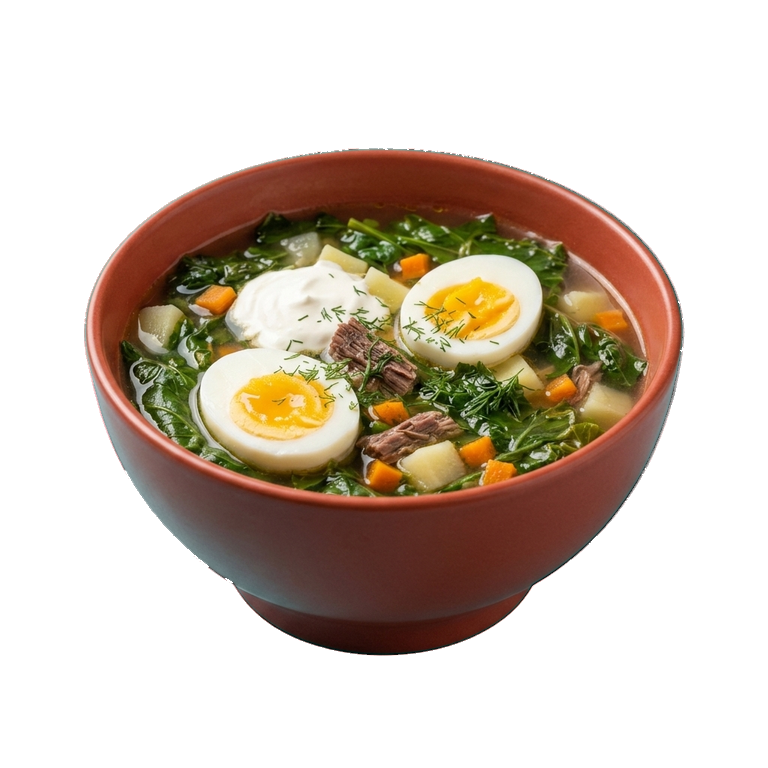
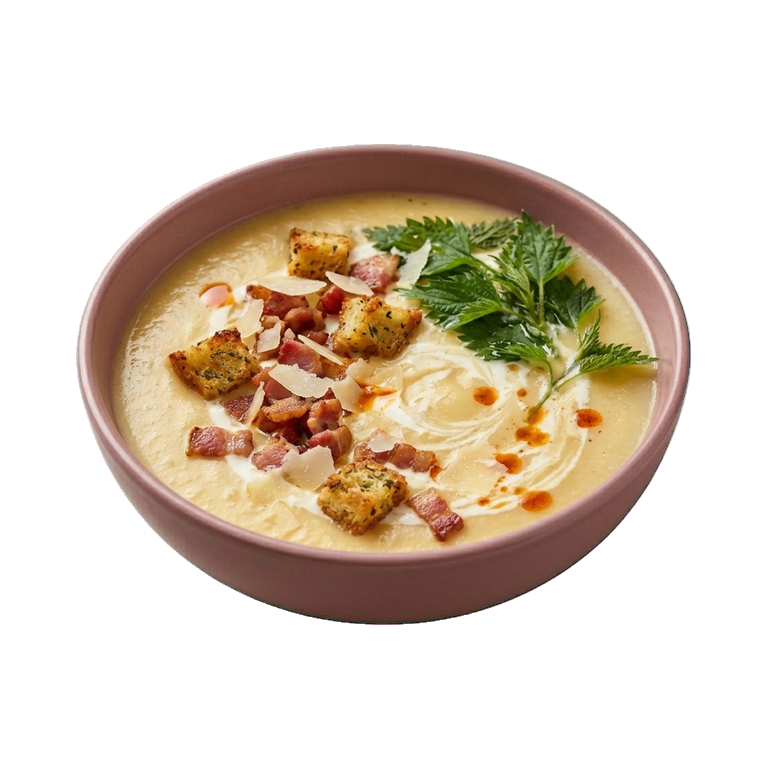
- Soups — nettles are ideal for creamy soups, green cabbage soup, or simple soup with potatoes and onions
- Pie and dumpling fillings — mix with cottage cheese, eggs, and onions
- Sauces and pesto — nettle pesto works with both pasta and meat or fish
- Omelets and egg dishes — add finely chopped nettles directly to the omelet
- Side dishes — stewed nettles with butter and garlic — a standalone dish
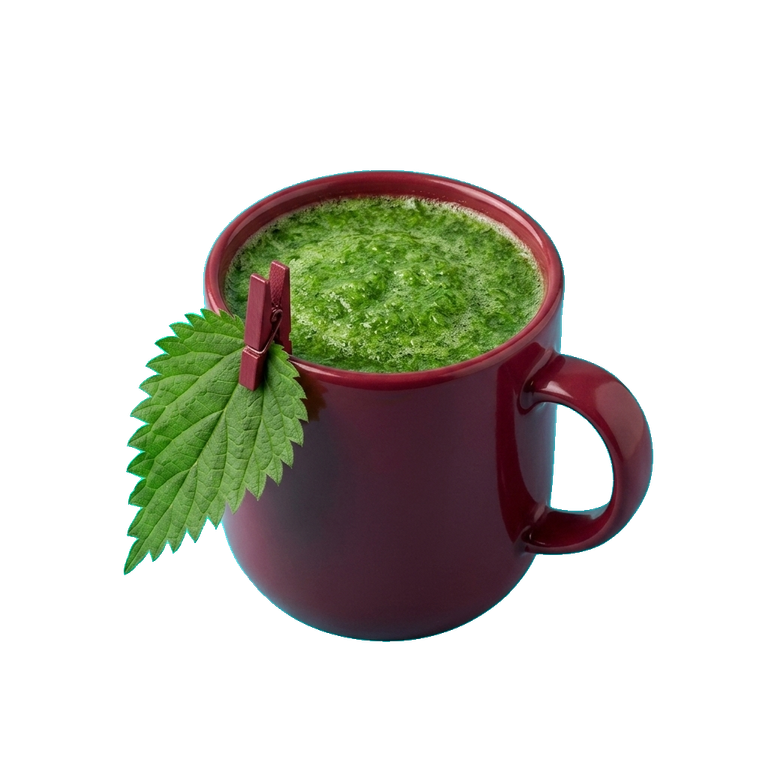
- Drinks and teas — fresh or dried leaves are brewed as herbal tea
Perfect Combinations
Nettle works well with neutral and mild flavors: potatoes, butter, cream, soft cheeses (ricotta, feta). Garlic and onion enhance its earthy character. Lemon juice or vinegar add freshness and balance the bitterness.
Nettle pairs well with other greens — parsley, dill, and sorrel. It can be combined with fish (especially white fish), chicken, and beef. On the table, it doesn't compete with sharp spices, so use them sparingly.
Selection and Preparation
- Collect young nettle tops (approximately 10–15 cm) at the beginning of the season — they are more tender and delicious
- Pluck leaves wearing gloves when harvesting fresh nettle to avoid stinging
- Rinse the leaves thoroughly with cold water before use
- Remove thick stems — use only leaves and soft tops
- Fresh nettle is best used on the day of harvest or within 1–2 days, stored in the refrigerator in an airtight container
Storage and Preservation
Nettle dries perfectly — spread the leaves on fabric in a dark, well-ventilated place. Store dried nettle in a glass jar away from light and moisture. Dried nettle retains its flavor and beneficial properties for up to a year.
You can freeze blanched nettle — quickly dip the leaves in boiling water for 2–3 minutes, cool in ice water, squeeze out excess moisture, and arrange in portions in the freezer. Frozen nettle keeps for several months and works well in soups, sauces, and fillings.
Remember: the pungency of fresh nettle disappears when heated, so don't be afraid to use it in hot dishes. For cold sauces and salads, blanch the leaves beforehand.
Nutrition
per 100 g
- Calories
- 42 kcal
- Protein
- 3.7 g
- Fat
- 0.5 g
- Carbs
- 6.9 g
Measures and weight
- 1 tbsp
- 3 g
- 1 tsp
- 1 g
- 1 cup
- 50 g
- 1 bunch
- 100 g
Measure calculator
- Weight
- 100 g
- Calories
- 42 kcal