Usuba
Usuba
Red fish
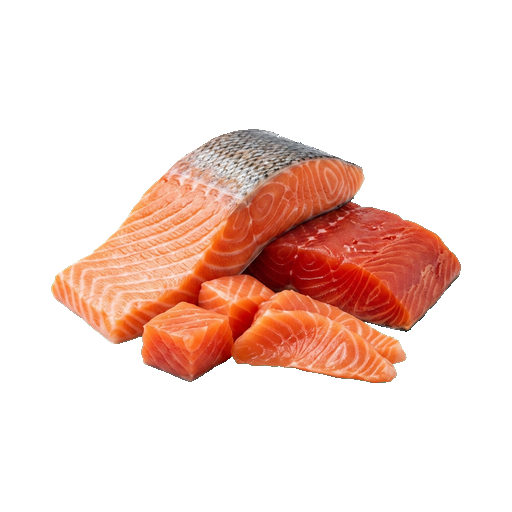
Red fish is a general name for salmon species, including Atlantic salmon, trout, pink salmon, and chum salmon, distinguished by their dense meaty texture and characteristic orange-pink color. The meat contains a high amount of omega-3 fatty acids, which gives it a rich flavor and juiciness, and also allows it to hold its shape well during cooking. When selecting, pay attention to the firmness of the fillet, brightness of color, and absence of odor — red fish is versatile for smoking, salting, baking, and using raw, but requires minimal heat treatment to preserve juiciness and tenderness.
About
Red fish is not a scientific term, but rather a culinary designation for salmon species that are valued for their tender meat, rich flavor, and versatility in cooking. When you see this category on a menu or at a counter, it refers to Atlantic salmon, trout, pink salmon, chum salmon, and other representatives of this family. They are united not only by the beautiful hue of their meat, but also by a high content of beneficial fats that make each dish more expressive.
Taste and texture
Red fish meat is distinguished by its tenderness and oiliness due to high omega-3 fat content. The taste is quite pronounced, but not coarse — rather delicate, with a light sweet note. The texture is fibrous, but with proper preparation, the meat easily separates from the bones and practically melts in your mouth. The intensity of flavor depends on the specific type: trout is usually more tender and delicate, while large salmon has a more rich flavor profile.
How to cook and combine
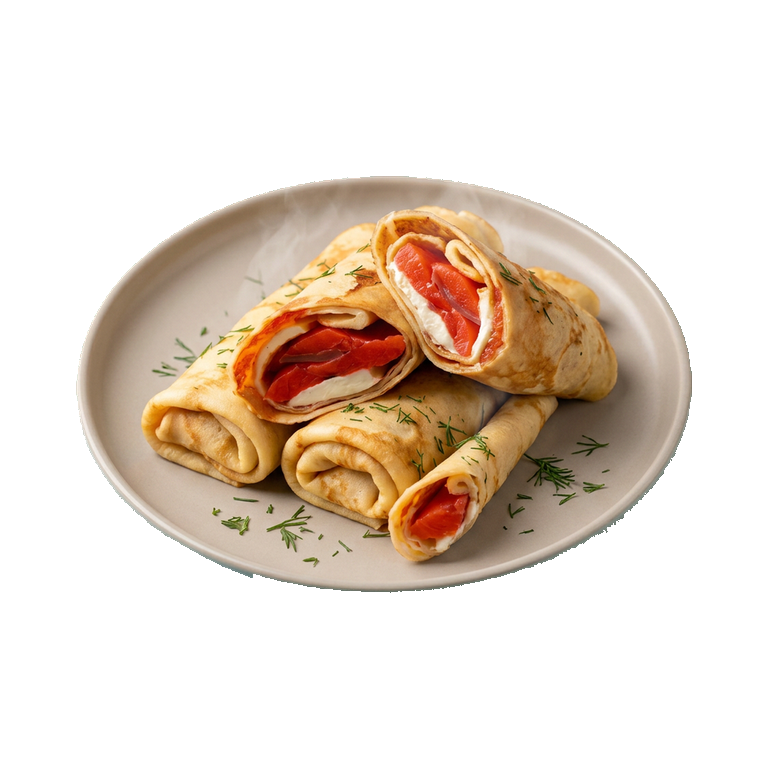
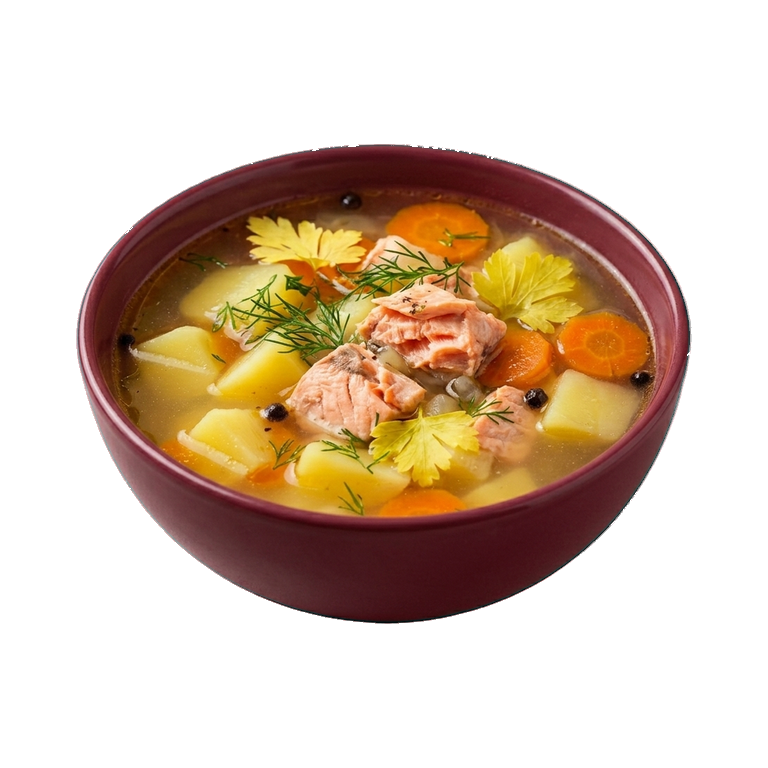
Red fish forgives much: it can be grilled, smoked, baked in the oven, boiled, stewed, or served raw as sashimi and ceviche. The main thing is not to overcook it, otherwise the meat will become dry and lose its main appeal. Even 10–15 minutes over medium heat is often enough for a finger-thick steak.
In terms of pairings, red fish works well with acidity — lemon, lime, white wine, and vinegar enhance its flavor and help cut through the richness. Herbs like dill, parsley, and tarragon are classic companions. Don't forget about mustard, horseradish, and hot sauces, which create a pleasant contrast. Side dishes can be anything: from light vegetables to creamy pastas and potatoes.
Selection and Storage
- Fresh fish can be recognized by the shine of its scales, transparent eyes, and a pleasant sea smell rather than an ammonia odor.
- The meat should be firm: if you press it with your finger, the indentation should quickly disappear.
- Gills are bright red, without slime and darkening — a sure sign of freshness.
- When choosing frozen fish, select those without ice on the surface and without an oxidation smell.
Fresh red fish is best cooked on the day of purchase or the next day — store it on the coldest shelf of the refrigerator in a sealed container. If you need to keep it for a long time, freeze it: in the freezer at minus 18 degrees, fish will maintain quality for up to three months. Thaw slowly in the refrigerator to avoid losing juice and texture.
Red fish is an investment in the quality of your dish. Its rich flavor and versatility mean that even simple preparation — salting, pepper, and a few minutes in a pan — will yield a result that seems restaurant-quality. Don't be afraid to experiment with temperature and combinations, but remember the main rule: don't overcook it.
Nutrition
per 100 g
- Calories
- 200 kcal
- Protein
- 20 g
- Fat
- 12 g
- Carbs
- 0 g
Measure calculator
- Weight
- 100 g
- Calories
- 200 kcal