Usuba
Usuba
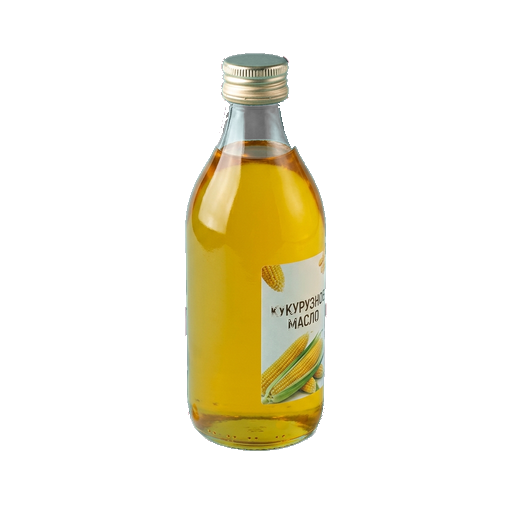
Corn oil
A neutral vegetable oil with a high smoke point, derived from corn germ, ideal for frying, deep frying, and baking. It has a light, subtle sweetness that is barely noticeable in finished dishes and contains beneficial polyunsaturated fats. When choosing, prefer refined cooking oil as it is more stable when heated and does not impart any off-flavors to your dishes.
Micronutrients
per 100 ml
Vitamins
About
Corn oil is one of the most versatile helpers in the kitchen. It is derived from corn kernels, which gives it a neutral taste and a high smoke point. This makes it ideal for frying, deep frying, and any heat treatment methods where oil stability is needed.
Taste and Aroma
Corn oil has almost no pronounced taste — this is its main advantage. It does not overpower the taste of other ingredients and does not leave an oily aftertaste. The aroma is barely noticeable, slightly sweet, but only if you specifically smell the oil. Its presence is not felt in the finished dish.
Where to use it
This oil works everywhere neutrality is needed. Fry meat, fish, and vegetables in it — it won't compete with their aroma. Use it for deep frying: potatoes, chicken, donuts. It withstands high temperatures without breaking down and doesn't create unpleasant odors during cooking.
- Frying in a pan and deep frying
- Baking and dough preparation
- Dressing cold dishes when neutrality is needed
- Base for marinades
Selection and Storage
When purchasing, pay attention to the color: good corn oil has a light yellow or pale golden tint. Transparency is essential. If the oil is cloudy or contains sediment, this is a sign of poor quality or storage condition violations.
Store oil in a dark glass bottle at room temperature, away from sunlight and heat sources. Tightly sealed oil keeps fresh for about a year. If you rarely cook, keep it in the refrigerator — it may thicken there, but this is normal and does not affect quality. Before use, simply leave it at room temperature for a few minutes.
Practical Tips
Corn oil is more economical than many alternatives, which makes it convenient to use for large-scale cooking. When frying, it doesn't splatter much, which simplifies the process. If you're cooking in a deep fryer, change the oil regularly — when it starts to darken or develop an unpleasant smell, it's time to replace it.
Corn oil works well when paired with more aromatic oils. If you want to add flavor, mix it with olive oil for salad dressing or add spices to it for a marinade. On its own, it is the perfect base for experimentation.
Nutrition
per 100 ml
- Calories
- 884 kcal
- Protein
- 0 g
- Fat
- 100 g
- Carbs
- 0 g
Micronutrients
per 100 ml
Macronutrients
- Saturated fat
- 12.328 g
- Monounsaturated fat
- 25.484 g
- Polyunsaturated fat
- 48.668 g
Vitamins
- Vitamin E
- 20.79 mg
Measures and weight
- 1 tbsp
- 13.8 g
- 1 tsp
- 4.6 g
- 1 cup
- 230 g
Measure calculator
- Weight
- 100 g
- Calories
- 961 kcal