Usuba
Usuba
Lamb (hind leg)
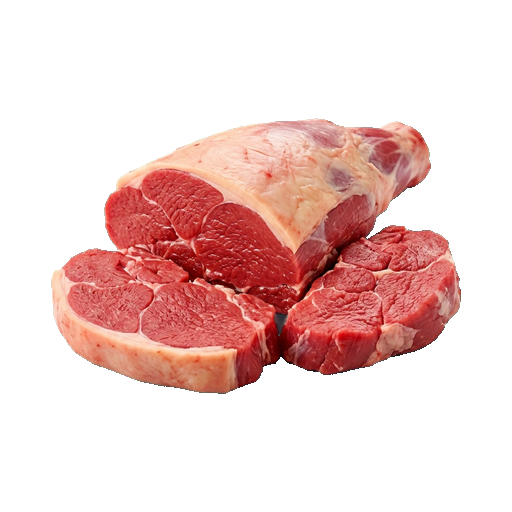
Lamb hindquarter is a tender meat with a delicate flavor that contains less fat than the front part. It is ideal for steaks, kebabs, and braising in whole pieces thanks to its uniform fiber structure. When selecting, pay attention to the color of the meat — it should be bright red, and the fat should be white or creamy, which indicates the freshness and quality of the product.
About
The hind quarter of lamb is meat with a pronounced character. It contains more fat than the front part, the fibers are larger, and the flavor is richer. This is precisely why the hind leg and shank are ideal for long braising and roasting, when you need a deep, meaty foundation for a dish.
Taste and Aroma
Lamb from the hind quarter has an intense, recognizable flavor with a slight bitterness. The fat layers are saturated with an aroma that unfolds with heat. This meat base pairs well with spices — it doesn't get overpowered by them, but rather creates harmony with them. Young lamb is softer and more delicate, while mature lamb requires a bolder approach.
Role in dishes
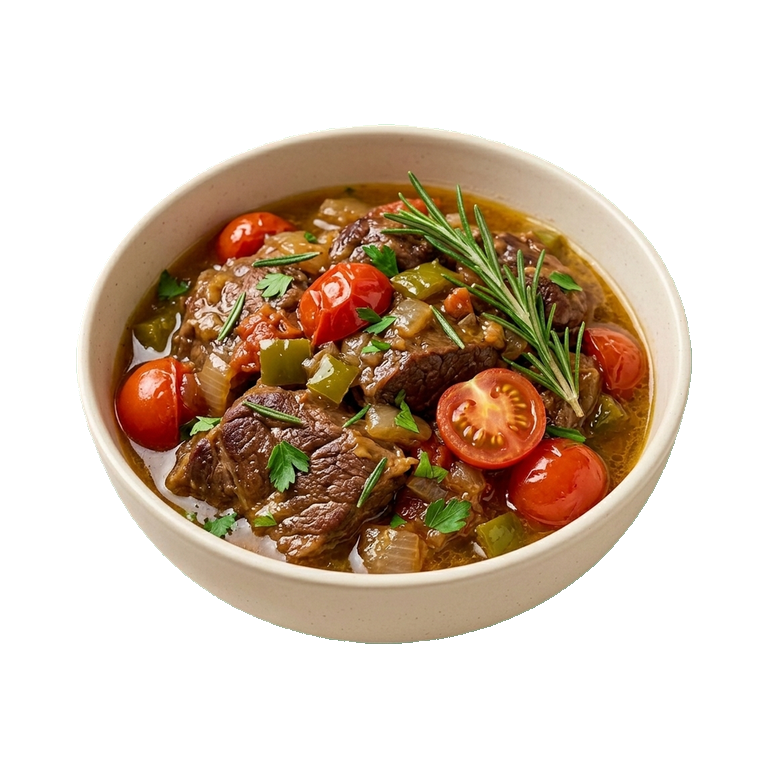
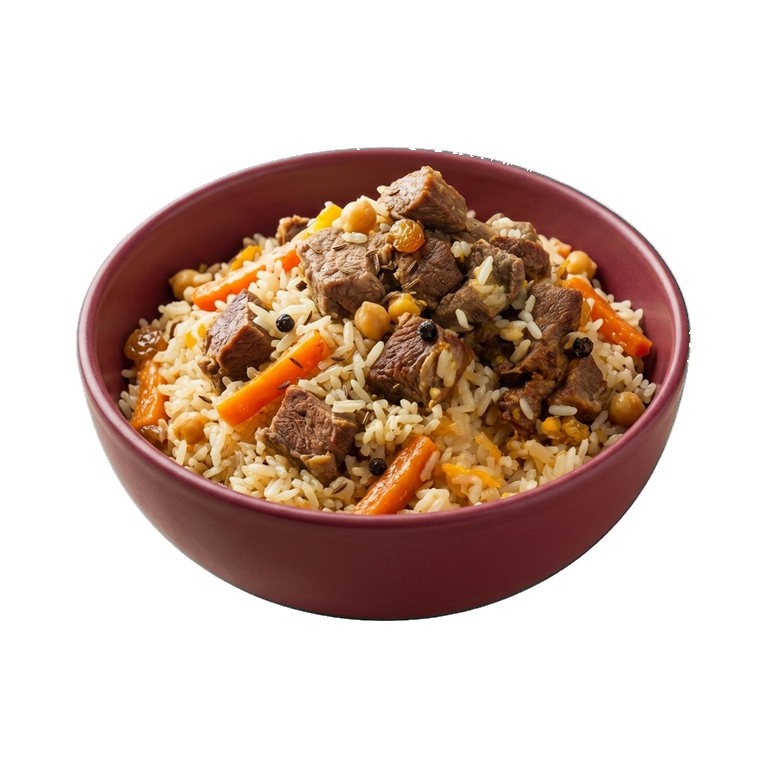
- Stewed dishes: pilaf, ragout, stew — meat becomes tender and releases its juices into the sauce
- Baked hams: whole or in large pieces, often with herbs and garlic
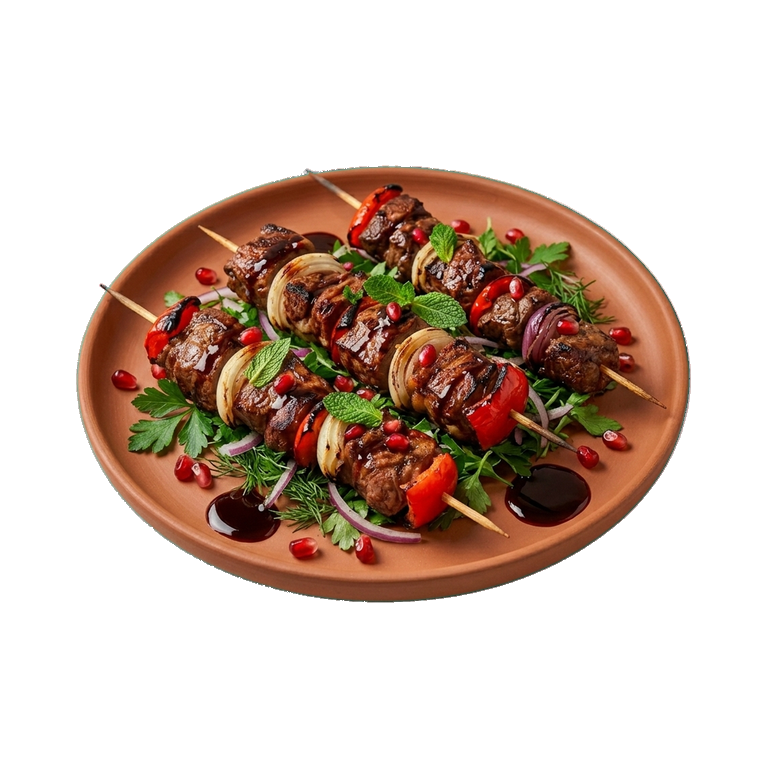
- Shashlik meat: cut into large pieces, marinates well and holds its shape on the skewer
- Broths and soups: bone with meat gives a rich, hearty broth
Combinations with spices and ingredients
Lamb from the hind quarter pairs well with bold spices. Rosemary, thyme, and oregano enhance the meaty flavor. Turmeric, cumin, and cinnamon give the dish an Eastern character. Garlic, onion, and tomatoes are classic companions. A hint of lemon or vinegar helps soften the richness and adds lightness.
Selection and Storage
When purchasing, pay attention to the color: meat should be bright red or dark red, but not brown. Fat layers should be white or cream-colored, without a yellow coating. The smell should be fresh, meaty, without sourness. If the meat was purchased in vacuum packaging, it may look darker — this is normal.
- In the refrigerator: up to 4 days in original packaging or on a plate covered with plastic wrap
- In the freezer: up to 8 months, best wrapped in parchment before placing in a bag
- Thaw in the refrigerator for 12–24 hours, take your time — this way the meat will retain more juice
Before cooking, take the meat out of the refrigerator 30–40 minutes in advance so it warms up to room temperature. This way it will cook more evenly and remain juicier.
Nutrition
per 100 g
- Calories
- 209 kcal
- Protein
- 26.3 g
- Fat
- 10.8 g
- Carbs
- 0 g
Measure calculator
- Weight
- 100 g
- Calories
- 209 kcal