Usuba
Usuba
Ramen Noodles
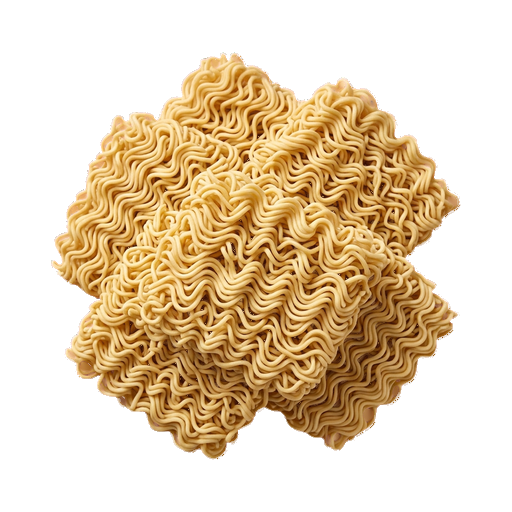
Wavy wheat noodles with a dense, elastic texture that absorbs broth and sauces well. They cook quickly in just a few minutes of boiling and are perfect for Asian soups, especially ramen with rich broth, meat, and vegetables. When choosing, pay attention to the noodles' elasticity after cooking — quality noodles don't fall apart and maintain their springiness, and substituting with regular pasta will cause the dish to lose its characteristic flavor and texture.
About
Ramen noodles are thin, wavy pasta with a dense structure that serves as the foundation for the soup of the same name and many other dishes in Asian cuisine. Their special quality is that they don't fall apart in boiling water in just a couple of minutes, but maintain their shape and elasticity even after prolonged contact with liquid. This is precisely why ramen works perfectly in hot broths, where it should absorb flavor while remaining al dente.
Texture and taste
The wavy shape of noodles is not just aesthetics. The waves increase the surface area, which allows the pasta to better absorb the broth and sauces. The noodles themselves have a neutral taste, slightly wheaty, which allows them to complement rather than compete with the aromatic broth. The texture is elastic, with a slight firmness in the center — this is the result of a special production technology using alkaline water (kansui).
Where and how to cook it
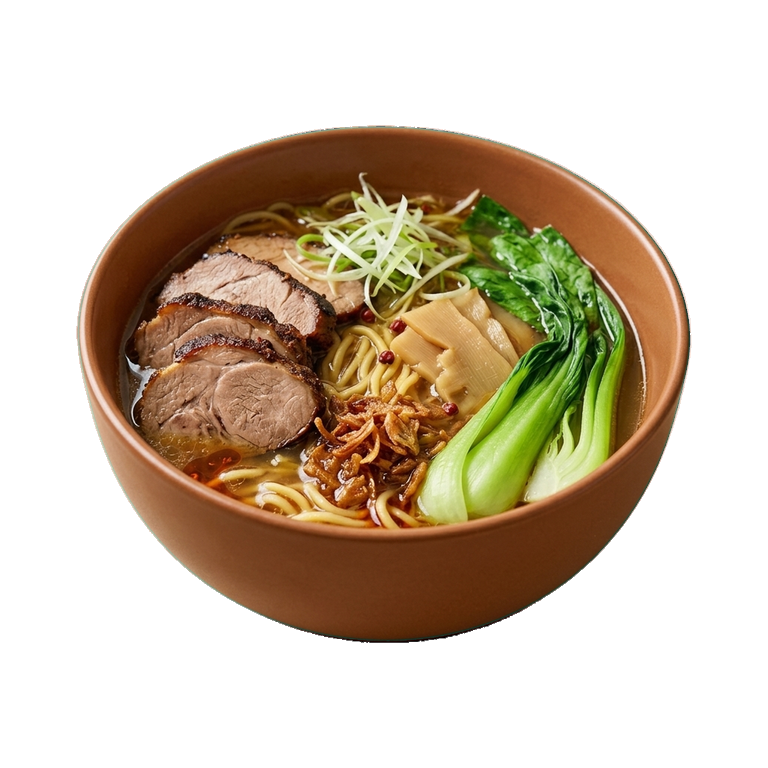
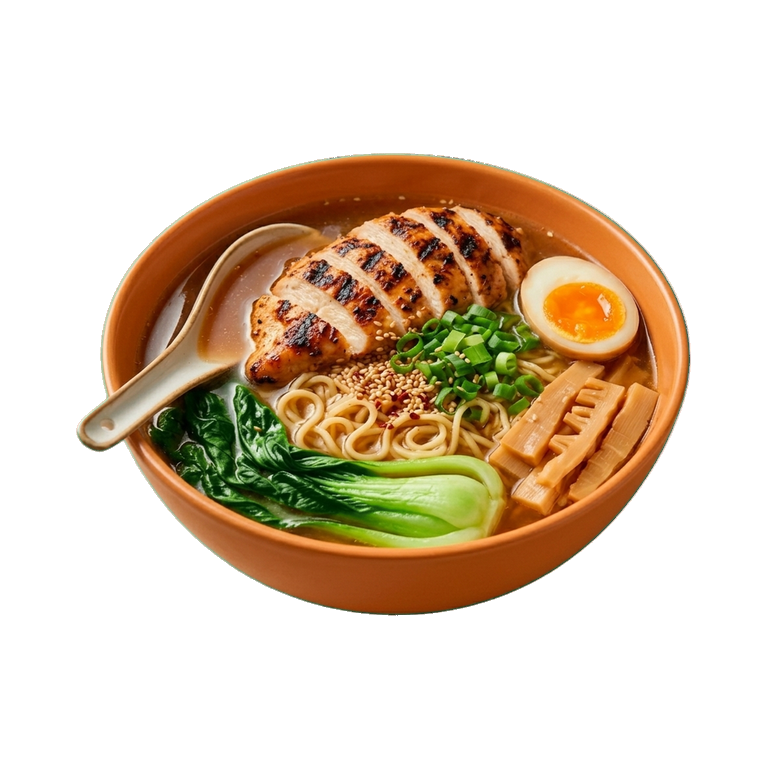
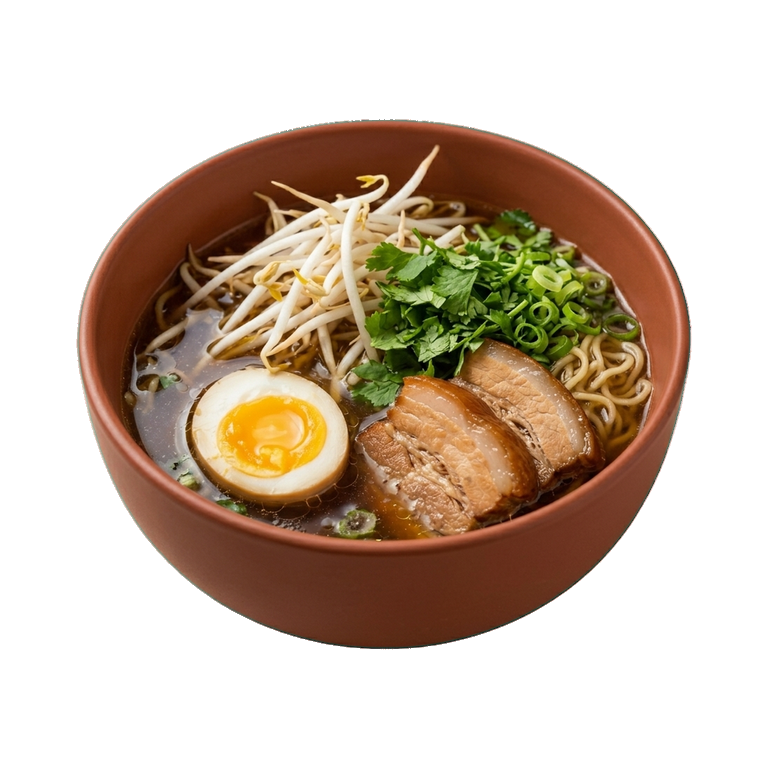
- Classic ramen soup with chicken, pork, or seafood — noodles are cooked directly in hot broth for 2–3 minutes
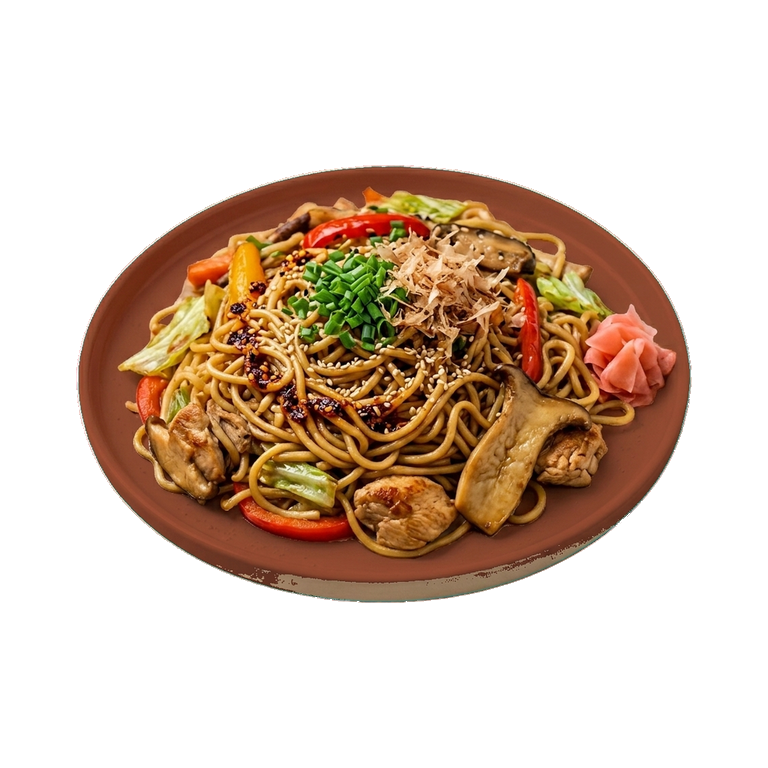
- Dry dishes like yakisoba or chow mein — noodles are stir-fried in a pan with vegetables and sauce
- Cold salads and side dishes — pre-boiled and cooled noodles are cut and mixed with vegetables
- Deep frying — crispy noodle nests are used as a base for soups or appetizers
Cooking Rules
The main thing is not to overcook it. If you're making soup, add the noodles to already boiling broth and watch the time: usually 2–3 minutes for fresh noodles and 3–4 for dried ones. If you're cooking them separately (for example, for a cold dish), use plenty of water so the pasta doesn't stick together. After cooking, you can rinse with cold water — this will stop the cooking process and prevent sticking.
Selection and Storage
Ramen noodles are sold in three main forms: fresh (requires refrigeration and is used within several days), dried (stores for months in a cabinet), and frozen (a convenient option between the two previous types). When purchasing, pay attention to the ingredient list — quality noodles contain flour, water, and alkaline water, sometimes eggs. Dried noodles are stored in a dry place at room temperature, fresh noodles — in the refrigerator in an airtight package.
What pairs well with
- Broths: chicken, beef, fish, mushroom, bone broth
- Proteins: boiled egg, meat (chicken, pork, beef), seafood, tofu
- Vegetables: bamboo shoots, carrot, radish, green onions, corn, mushrooms
- Sauces and seasonings: soy sauce, miso, sriracha, sesame oil, ginger, garlic
If you don't have special ramen noodles, regular thin egg noodles can be adapted — they won't be as chewy, but they will work for homemade cooking.
Nutrition
per 100 g
- Calories
- 138 kcal
- Protein
- 4.5 g
- Fat
- 1 g
- Carbs
- 27 g
Measure calculator
- Weight
- 100 g
- Calories
- 138 kcal