Usuba
Usuba
Large pitted olives
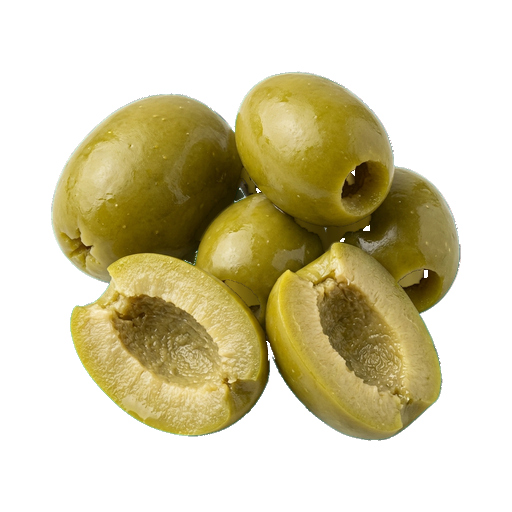
Large pitted olives are ripe fruits from the olive tree, treated with alkali to achieve a black color and soft texture. They have a delicate, slightly bitter taste with an oily consistency and are often used as an appetizer, in salads, on pizzas, and in Mediterranean dishes. When selecting, pay attention to the integrity of the skin and the absence of cloudy brine, and when using in hot dishes, keep in mind that they soften quickly.
About
What is it and why they are convenient
Large pitted olives are ripe fruits that have undergone special processing to remove the pit. Size matters here: these olives are meatier than small varieties, so they hold their shape better when sliced and don't fall apart in dishes. The absence of a pit saves time in the kitchen and makes them an ideal choice for busy cooks.
In terms of taste, large olives are softer and more delicate than their smaller counterparts. They absorb the marinade more deeply, so they acquire a more pronounced aroma. Saltiness, oiliness, and a slight bitterness — all of this makes them a versatile ingredient that doesn't overpower a dish with its character, but complements it.
Where to use them
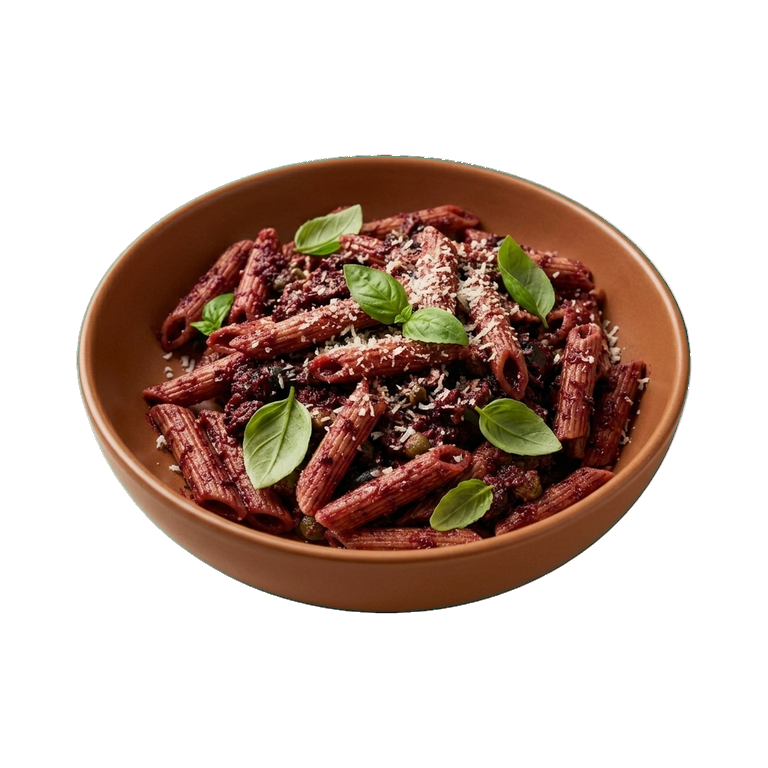
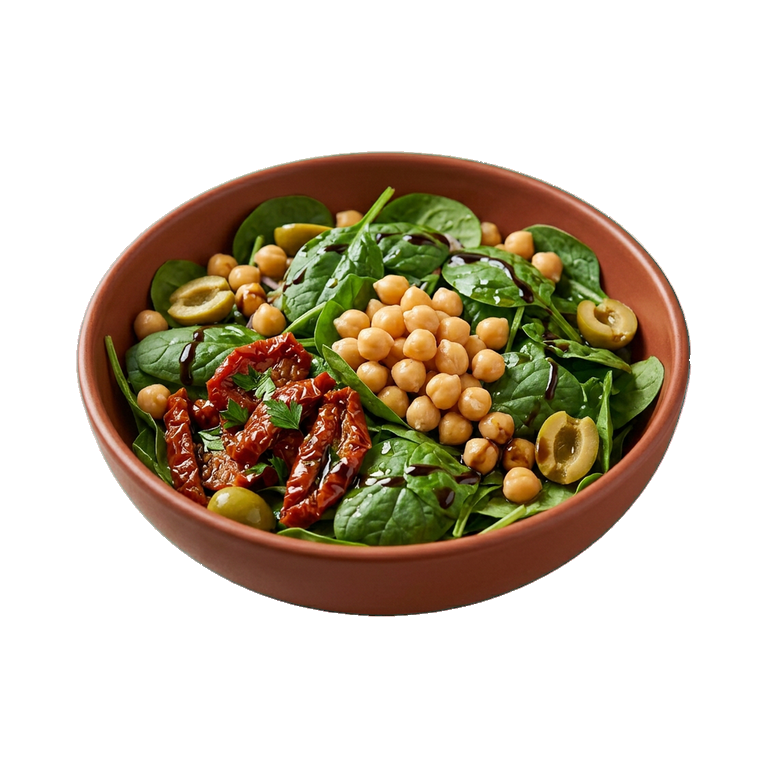
Large pitted olives are a great find for salads: Greek, with tomatoes and feta, vegetable mixes. Cut in half or whole, they add meatiness and saltiness without requiring any additional preparation. In pasta, risotto, or ragù, they distribute evenly and don't get lost among other ingredients.
Try them in focaccia, on pizza, or as part of a tapenade — their size and meatiness are especially valued here. They work well on appetizer platters alongside cheese and bread, and garnish sandwiches and canapés. Even in simple pasta with olive oil and garlic, they become a star thanks to their texture.
How to choose and store
When purchasing, pay attention to the color: black olives should be uniformly colored, without spots. Check that there is enough brine in the jar or package — olives should not be overdried. Try one if possible: a good olive is meaty, not woody, with a pleasant saltiness.
Store an opened jar in the refrigerator, ensuring that the olives are completely submerged in the marinade. This way they will stay fresh for 2–3 weeks. If there is not enough marinade, add your own: mix water with salt and olive oil. Frozen olives lose their texture, so the freezer is not the best option.
Successful Combinations
- With feta and tomatoes — a classic Mediterranean trio
- With red onion and oregano in salads
- With anchovies and capers in tapenade or sauces
- With soft cheese in appetizers and on bread
- With chicken, fish and seafood in hot dishes
- With rosemary and garlic in oil for bread
Nutrition
per 100 g
- Calories
- 145 kcal
- Protein
- 1 g
- Fat
- 15.3 g
- Carbs
- 3.8 g
Measures and weight
- 1 pcs
- 5 g
Measure calculator
- Weight
- 100 g
- Calories
- 145 kcal