Usuba
Usuba
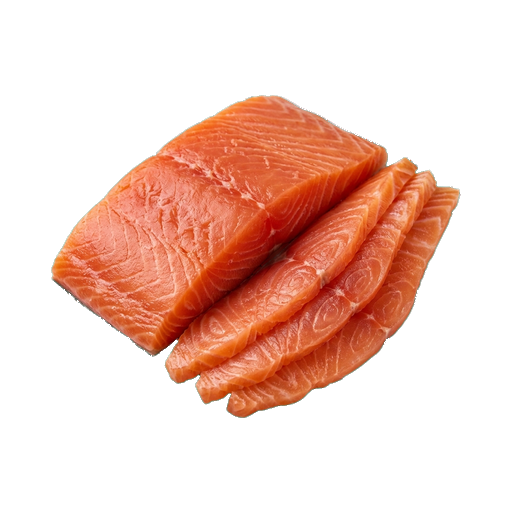
Lightly salted red fish
Lightly salted red fish is a delicacy with a delicate texture and subtle salty flavor, obtained by light curing of salmon, trout, or pink salmon. Such fish retains its natural taste and moisture, making it ideal for appetizers, sandwiches, sushi, and salads. When choosing, pay attention to uniform color, meat firmness, and absence of sticky coating — a quality product should have a pleasant fish aroma without sharp odors.
About
Lightly salted red fish is a compromise between freshness and preservation that has made this product category a favorite among professional chefs and home cooks alike. The tender meat retains its natural flavor and texture, while salt acts as a delicate preservative rather than the main flavor component. Such fish is ready to use straight from the package, but still requires an understanding of its characteristics.
Taste and texture
Lightly salted red fish is distinguished by tender, buttery meat with barely noticeable saltiness. It is not dried out like smoked fish and does not require additional processing. The taste of the fish remains pure and pronounced — this allows you to appreciate the quality of the product itself. The texture becomes slightly firmer due to salting, but remains juicy and pleasant on the tongue.
Where to use
It's a versatile ingredient that works in many situations. On sandwiches with butter and bread — a classic option requiring minimal effort. In salads, it becomes a protein base, pairing well with vegetables and tangy dressings. You can add it to pasta, use it in sushi and rolls, put it in omelets, or add it to pie dough.
- Appetizers and cold dishes — main format of use
- Hot dishes — in pasta, risotto, soups, but add at the end of cooking
- Breakfasts — with eggs, on toast, in omelets
- Complex dishes — a component in salads, on skewers, in tartlets
Perfect pairings
Lightly salted fish works well with acidic components — lemon, lime, vinegar, and marinades highlight its flavor. Butter and sour cream create a soft, enveloping backdrop. Fresh vegetables — tomatoes, cucumbers, radishes, avocado — add contrast. Spices like dill, parsley, and black pepper are appropriate, but use them carefully so as not to overpower the natural taste of the fish.
How to Choose and Store
When selecting, pay attention to the color — it should be uniform, without gray spots or whitish coating. The smell should be fresh from the sea, pleasant, without ammonia notes. The meat should not be too moist or, conversely, dried out. Check the packaging date and expiration date — lightly salted fish keeps longer than fresh fish, but not indefinitely.
- In the refrigerator — in the original packaging until the expiration date
- After opening — transfer to a glass container, cover with plastic wrap, use within 2–3 days
- In the freezer — can be frozen in an airtight container for up to three months, but quality will be slightly affected
- Important — do not store near products with strong odors, fish easily absorbs foreign aromas
Lightly salted red fish is an ingredient that saves time and requires no special skills. It's great because it works equally well in simple dishes and complex compositions. The main thing is not to overcomplicate it: sometimes the best way to serve it is simply a slice on black bread with butter.
Nutrition
per 100 g
- Calories
- 200 kcal
- Protein
- 20 g
- Fat
- 13 g
- Carbs
- 0 g
Measures and weight
- 1 slice
- 20 g
Measure calculator
- Weight
- 100 g
- Calories
- 200 kcal