Usuba
Usuba
Iceberg lettuce
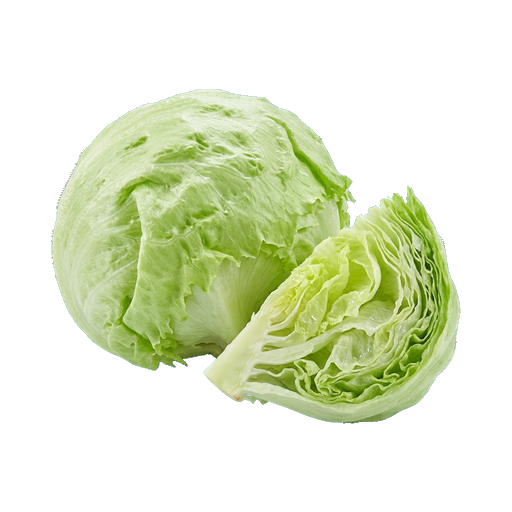
A crispy salad with firm, light green leaves, distinguished by a delicate, slightly sweet flavor and high water content. Thanks to its fragile structure and neutral taste, iceberg lettuce is ideal for fresh salads, sandwiches, and as a base for various dressings and sauces. When selecting, pay attention to the firmness of the head and the absence of brown spots. Store the leaves in the refrigerator in an airtight container to preserve their crispness.
About
Iceberg is a salad that seems simple, but works in the kitchen as a universal helper. Its crispy, almost transparent leaves with a watery texture are good because they don't compete with the flavor of other ingredients, but create a foundation. Whether you're making a salad for the first time or experimenting with new dressings, iceberg won't let you down — it allows you to focus on what matters most.
Texture and taste
The main advantage of iceberg lettuce is its crunch. The leaves are dense and juicy, yet tender, requiring no effort to bite through. The taste is almost neutral, with barely noticeable sweetness. This means the salad won't compete with tomatoes, cucumbers, cheese, or meat — it enhances them. The outer leaves are slightly denser and greener, while the inner leaves are more tender and lighter.
Where to use
- Classic salads with tomatoes, cucumbers, and light dressing — iceberg lettuce holds its shape and doesn't get soggy for hours
- Salads with protein components: chicken, fish, shrimp, egg — neutral base doesn't overpower the flavor
- Sandwiches and burgers — leaves serve as a layer, add crunch and freshness
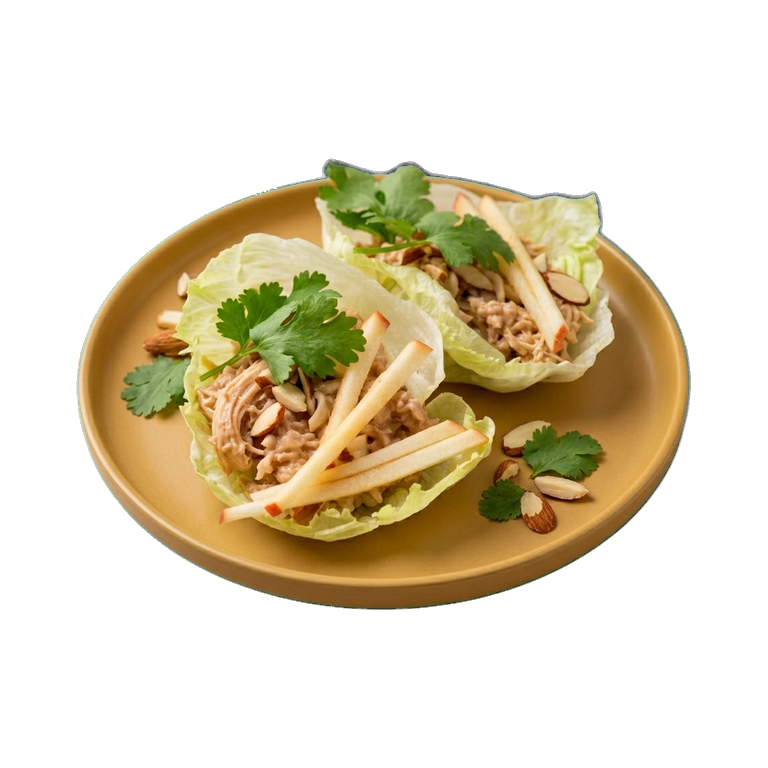
- Asian wraps and rolls — thin leaves bend easily and hold the filling
- Salads with spicy and tangy dressings — iceberg crunch contrasts with intense flavor
Combinations and Dressings
Iceberg works well with light dressings based on vinegar, lemon, or yogurt. Oil, mustard, garlic — all of this will enhance the salad's flavor without getting "lost" in the neutral leaves. If you're making something with a bold sauce, iceberg becomes the perfect bed: the crunch will contrast with the creamy or spicy texture. It pairs well with fresh herbs, cheese, nuts, and seeds.
Selection and Storage
- Choose a head that feels heavy for its size — this is a sign of juiciness
- Leaves should be firm, without dark spots or wilting
- Store in the refrigerator in a plastic container or wrapped in paper towels — this keeps it crispy longer
- Before using, rinse under cold water and dry thoroughly so the dressing doesn't slide off
- Tear leaves by hand or cut with a sharp knife — this prevents them from browning at the cut
Iceberg is not just a salad for beginners. It is an ingredient that gives you the freedom to experiment with dressings and toppings without worrying that its flavor will spoil the dish. Its crunch and lightness make it indispensable on hot days and as a base for hearty salads with meat or fish.
Nutrition
per 100 g
- Calories
- 14 kcal
- Protein
- 0.9 g
- Fat
- 0.1 g
- Carbs
- 2.9 g
Measures and weight
- 1 tbsp
- 3 g
- 1 tsp
- 1 g
- 1 cup
- 50 g
Measure calculator
- Weight
- 100 g
- Calories
- 14 kcal