Usuba
Usuba
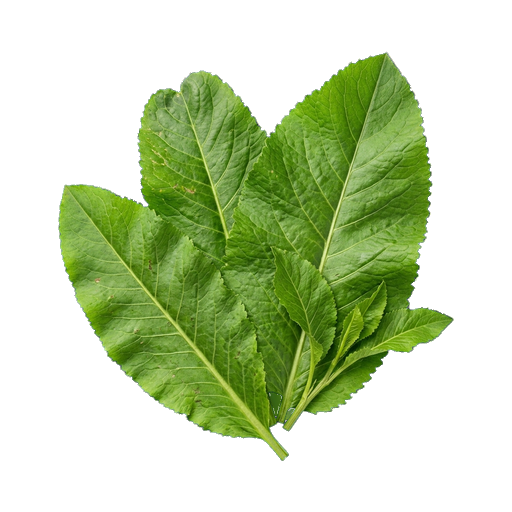
Horseradish leaves
Young horseradish leaves have a sharp, slightly bitter taste with a piquant pungency that is milder than the root. They are used fresh in salads, as a seasoning for meat and fish dishes, and for preserving and pickling vegetables. When selecting, prefer tender young leaves without damage, as older ones become tough and bitter; if needed, they can be replaced with radish leaves or young mustard greens.
About
Horseradish leaves are sharp, slightly bitter greens that often remain overshadowed by the root, though they deserve far greater attention in the kitchen. They possess the same fiery, piercing character as horseradish itself, but in a milder, more herbaceous expression. If the root is explosive force, then the leaves are a lingering sharpness with bitterness that unfolds gradually.
Aroma and taste
Horseradish leaves smell of greenery with a sharp, almost peppery note. They taste bitter and pungent, but not as aggressive as grated root. The bitterness appears at the finish, leaving a pleasant burning sensation on the tongue. Young leaves are softer and more tender than old ones — the latter can be tough and excessively bitter.
Where to use them
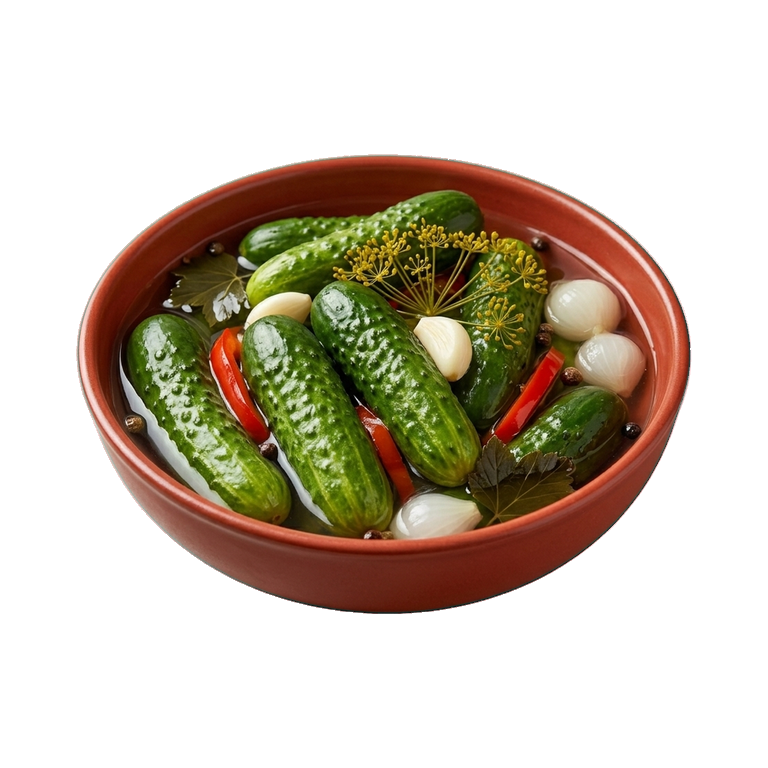
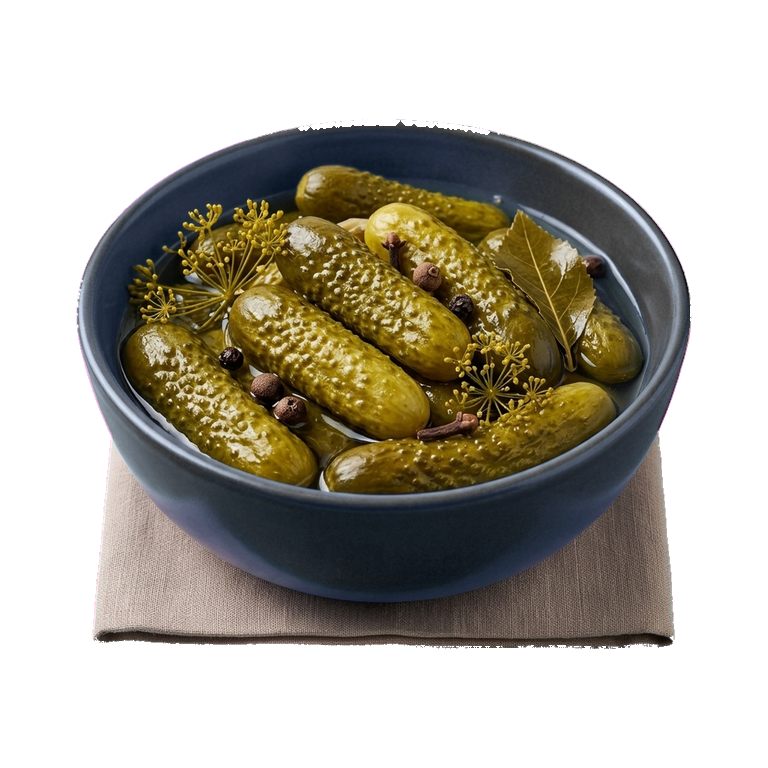
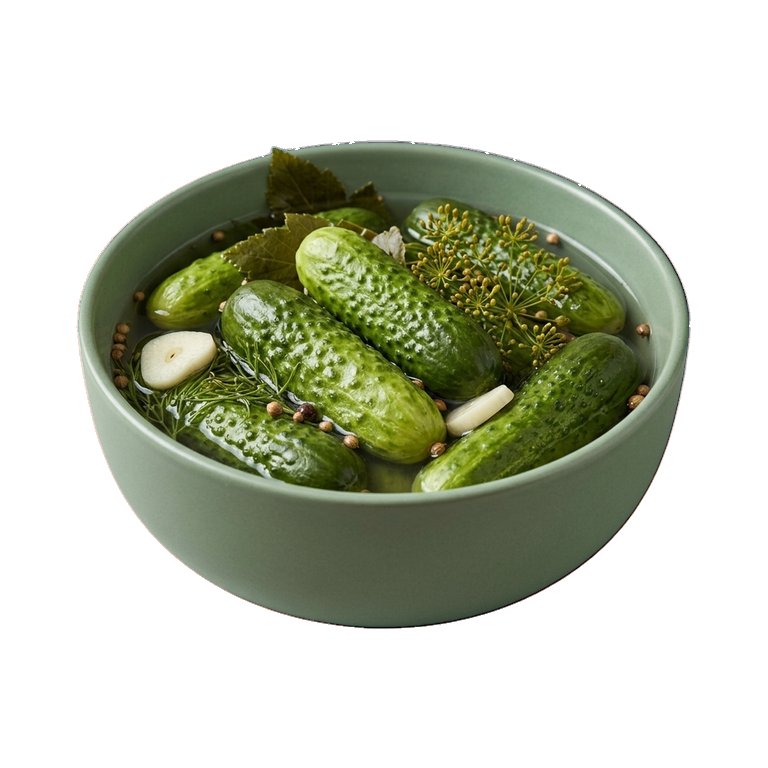
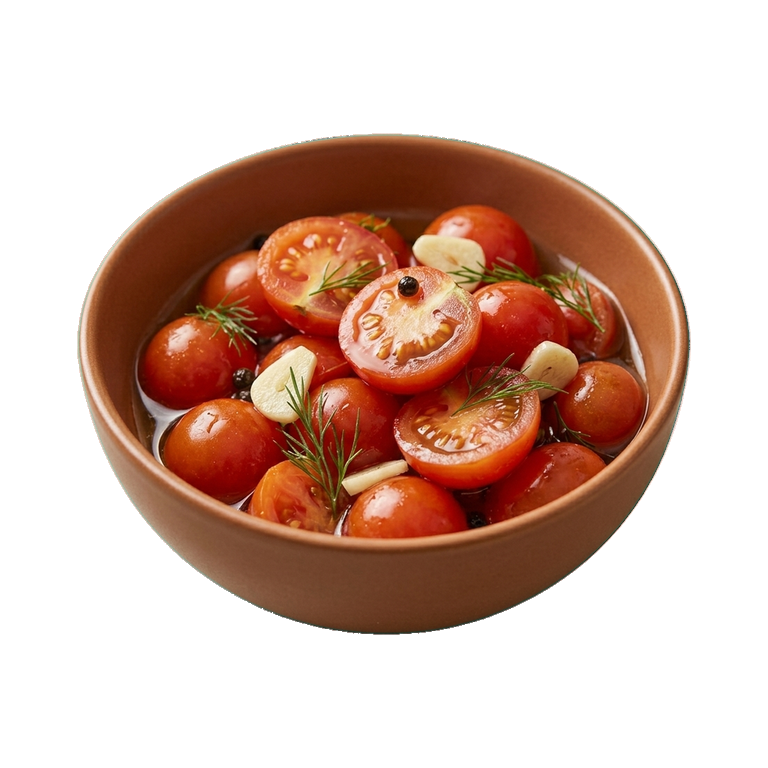
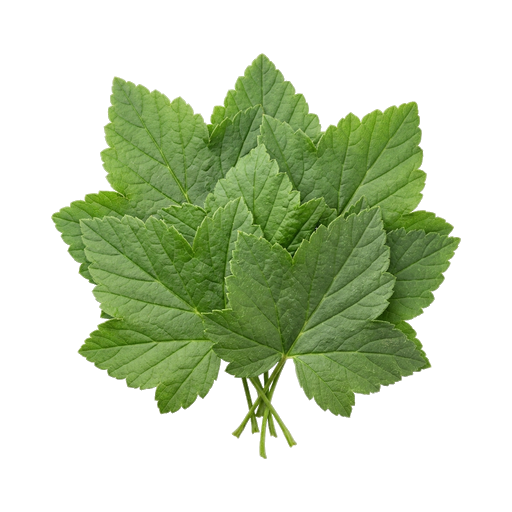
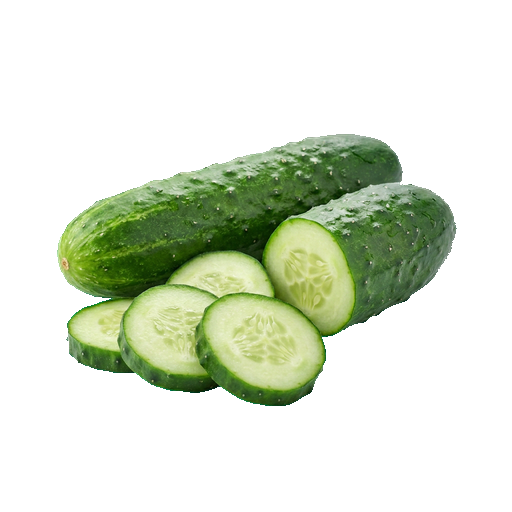
- Marinades and Pickles. Horseradish leaves are a classic ingredient for preserving vegetables, cucumbers, and tomatoes. They not only add pungency but also act as a natural preservative thanks to the substances they contain.
- Meat Dishes. Add leaves to beef, pork, or game — they cut through fat and add piquancy. Great in marinades and as a garnish for smoked meats.
- Broths and Soups. A few leaves in a boiling broth will give it a bitter-sharp character, which is especially good in meat and fish soups.
- Fresh Salads. Young leaves can be torn into a salad together with potatoes, beets, or cabbage — they add an interesting contrast to soft ingredients.
- Sauces and Condiments. Horseradish leaves can be ground with salt, mixed with sour cream or vinegar to make a sharp condiment for meat or fish.
Selection and Storage
Look for leaves without damage and dark spots — they should be green, firm, and smell fresh. Young leaves (usually in spring) are more tender and less bitter. Store them in the refrigerator in a plastic bag for no more than a week, or freeze them — leaves tolerate freezing well and retain their properties.
Practical Tips
- For marinades, add leaves whole — they will impart aroma and protect the jar's contents from mold.
- If the leaves are too bitter, soak them briefly in cold water or blanch for a couple of minutes — the bitterness will become milder.
- Don't overdo it in salads and fresh dishes — horseradish leaves easily overpower other flavors. Use them sparingly.
- Dried horseradish leaves are also useful: they store well and work great for marinades and broths.
Nutrition
per 100 g
- Calories
- 20 kcal
- Protein
- 1.5 g
- Fat
- 0.3 g
- Carbs
- 2.5 g
Measures and weight
- 1 pcs
- 15 g
- 1 bunch
- 100 g
Measure calculator
- Weight
- 100 g
- Calories
- 20 kcal