Usuba
Usuba
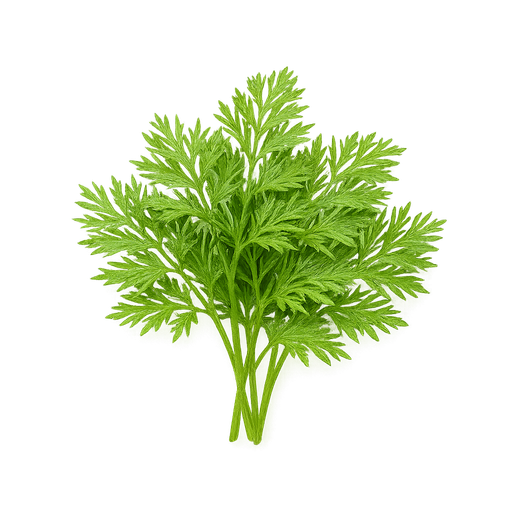
Caraway leaves
Young caraway leaves have a delicate anise aroma with spicy notes and are used as fresh herbs in salads, soups, and for garnishing dishes. They add a subtle spiciness without harshness, unlike caraway seeds, and pair well with vegetable and fish dishes. When selecting, choose bright green leaves without darkening, and use them at the end of cooking to preserve their aroma and freshness.
About
Caraway leaves are delicate greens with a subtle, slightly sweet aroma and a barely perceptible bitterness. They are much softer and more delicate than the seeds of this plant, so they add refinement to dishes rather than aggressiveness. If you've ever found caraway to taste something too sharp or heavy, the leaves will show you a completely different side of this plant.
Aroma and Taste
Fresh caraway leaves smell herbaceous and slightly anise-like, but without the sharpness characteristic of seeds. The taste is mild, with barely noticeable sweetness and a light pungency on the finish. The leaves work well as an aromatic base that doesn't overpower the main ingredients of the dish, but only enhances them.
Where to use
Caraway leaves are great in soups — they add depth without making the dish heavy. Sprinkle them over vegetable salads or greens, add them to marinades for fish and seafood. They pair excellently with dishes made from white cabbage, potatoes, and root vegetables. Fresh leaves will garnish the plate and add an unexpected flavor accent.
- Cabbage soup and borscht — add at the end of cooking
- Marinades for vegetables and fish
- Side dishes for meat and poultry
- Salads with root vegetables and greens
- Cottage cheese and soft cheeses
Selection and Storage
Look for bright green leaves without darkening or wilting. They should smell fresh and herbaceous. Fresh leaves can be stored in the refrigerator in a container or wrapped in a damp towel for no more than a week. If the leaves start to darken or wilt, use them faster — they will work well in hot dishes even if not completely fresh.
Dried caraway leaves lose much of their aroma, so try to use fresh ones. If you still use dried leaves, add them at the beginning of cooking so the leaves impart their flavor to the broth or sauce.
Nutrition
per 100 g
- Calories
- 43 kcal
- Protein
- 2.1 g
- Fat
- 0.3 g
- Carbs
- 7.7 g
Measures and weight
- 1 tbsp
- 4.5 g
- 1 tsp
- 1.5 g
- 1 cup
- 75 g
- 1 bunch
- 30 g
Measure calculator
- Weight
- 100 g
- Calories
- 43 kcal