Usuba
Usuba
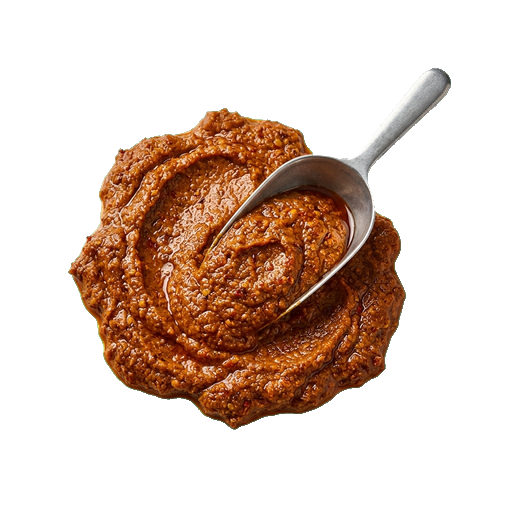
Madras Curry Paste
A spicy red chili pepper paste with a distinctly Indian character, created in the traditions of Madras cuisine. Contains a blend of spices — coriander, cumin, mustard, fenugreek and other aromatics that create a multi-layered, deep flavor with a fiery finish. Used as a base for sauces with meat, seafood and vegetables, as well as added to marinades and soups; when substituting, note that madras is significantly spicier than other types of curry pastes, so start with a smaller amount.
About
Madras curry paste is a concentrated blend of spices and ingredients that transforms an ordinary dish into a spicy and aromatic composition. It's not just a seasoning: it's a ready-made base that saves time on preparing spices and guarantees consistent results. Unlike powder, the paste already contains oil and often tomatoes or coconut, which makes it ideal for quick cooking.
Aroma and Flavor
Madras is a spicy version of curry that doesn't shy away from its heat. Red chili dominates the bouquet, but it's not just fire: beneath the spiciness lies a deep, multi-layered flavor. Turmeric adds earthiness, coriander and cumin provide warmth, and garlic and ginger create a lively, piquant base. The aroma is strong, penetrating, with a slight bitterness.
Role in dishes
Madras curry paste works as a flavor catalyst. Add a spoonful or two to seared meat, vegetables, or seafood — and the dish will instantly acquire an Indian character. It dissolves well in hot oil, unlocking its full potential. The paste is ideal for chicken, beef, lamb, and even vegetarian dishes with chickpeas or lentils.
Successful pairings
- Coconut milk — softens the spiciness, creates a creamy texture
- Yogurt — cools and balances the heat
- Lemon juice — enhances freshness and contrasts with the spices
- Tomatoes — create acidity that harmonizes with the paste
- Onion and garlic — enhance piquancy without overcomplicating
Selection and Storage
When choosing, pay attention to consistency: the paste should be homogeneous, without lumps or separation. Color should be intense red or reddish-brown. Check the production date; fresh paste has a brighter aroma. The ingredients should be clear: spices, oil, possibly tomato or coconut, but without suspicious additives.
Store an open jar in the refrigerator in an airtight container. The paste handles cold well and can last several months if you avoid contact with moisture and foreign odors. If the paste has thickened, add a little oil and stir. Freezing is acceptable, but it's best to use the paste fresh for maximum aroma.
Start with half a teaspoon per serving: madras can be deceptively hot. It's easier to add than to remove.
Nutrition
per 100 g
- Calories
- 150 kcal
- Protein
- 4 g
- Fat
- 10 g
- Carbs
- 10 g
Measures and weight
- 1 tbsp
- 16.5 g
- 1 tsp
- 5.5 g
- 1 cup
- 275 g
Measure calculator
- Weight
- 100 g
- Calories
- 150 kcal