Usuba
Usuba
Mackerel
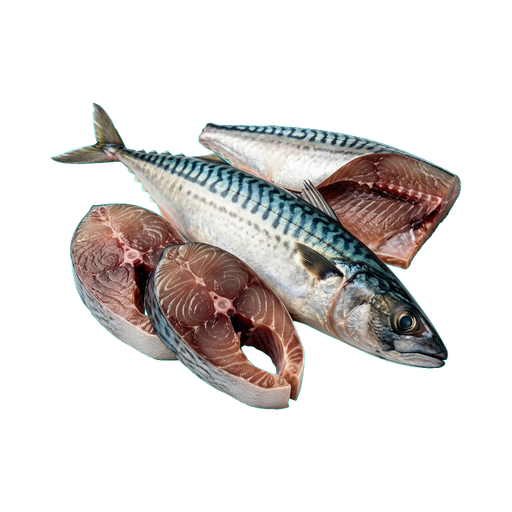
Mackerel is a fatty sea fish with dense dark meat and a characteristic rich flavor. Its meat is abundant in omega-3 fatty acids, making it ideal for smoking, salting, frying, and stewing — the fat protects it from drying out during heat treatment. When selecting mackerel, pay attention to a fresh sea smell and meat firmness, and when cooking, keep in mind that the fish's strong flavor is well-balanced by the acidity of lemon, vinegar, or spicy seasonings.
About
Aroma and Taste
Mackerel is one of the most aromatic fish in the kitchen. Its meat has a pronounced, almost oily flavor with a slight bitterness that disappears with proper handling. The smell of fresh mackerel is sharp and marine, but this is a sign of quality, not spoilage. The fresher the fish, the more noble its aroma seems.
The high fat content makes mackerel ideal for smoking, salting, and canning. The fat protects the tender meat from drying out during heat treatment and gives a juicy sensation even in the finished dish. This is why mackerel rarely disappoints — it forgives minor cooking mistakes.
Role in dishes
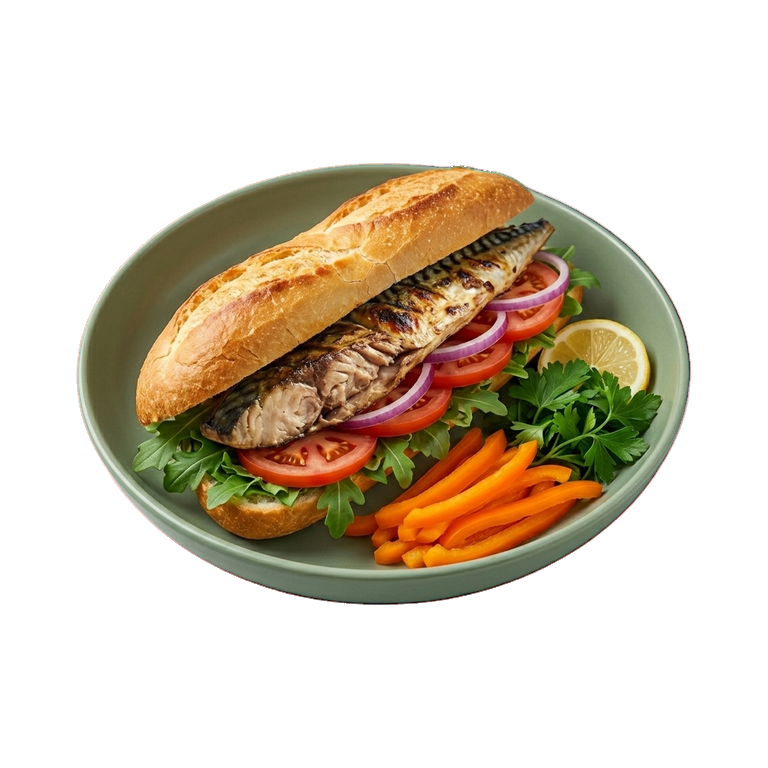
Mackerel is versatile, but demands respect for its character. On the grill, it truly shines — the meat becomes tender and the skin crispy. Pan-frying works well whether whole or in large steaks. In the oven, it's best cooked with acidity: lemon, tomato, or vinegar to balance its rich flavor.
- Smoked mackerel — a ready-made product for an appetizer, requires no additional heat treatment
- Salted and marinated — a classic for sandwiches and salads, stores for a long time
- Fresh grilled or baked — a main course with minimal side dishes
- In soups and stews — the meat softens quickly and gives the broth depth of flavor
Pairings and Seasonings
Mackerel takes well to bold seasonings. It won't be intimidated by mustard, horseradish, hot pepper, or strong herbs like dill and parsley. Lemon and lime are classic companions—they soften the sharpness and add freshness. Tomatoes, capers, and olives work great too.
Mackerel looks great on the table served with dark bread, boiled potatoes, and fresh vegetables. Dry white wine or light beer is a natural choice to accompany it. Mackerel doesn't require complex sauces; often good olive oil and fresh herbs are enough.
Selection and Storage
Fresh mackerel should be cooked on the day of purchase or at most the next day. When choosing, look at the eyes — they should be transparent and bulging, at the gills — bright, pink or red, without a gray coating. The smell should be of the sea, without ammonia notes. The meat is firm, when pressed with a finger, the indentation disappears.
In the refrigerator, mackerel is stored on the coldest shelf, wrapped in parchment. Smoked and salted mackerel lasts longer — several weeks in a closed container. Thaw frozen mackerel in the refrigerator, not at room temperature, to preserve the meat structure.
Nutrition
per 100 g
- Calories
- 181 kcal
- Protein
- 18 g
- Fat
- 11.9 g
- Carbs
- 0 g
Measures and weight
- 1 pcs
- 300 g
Measure calculator
- Weight
- 100 g
- Calories
- 181 kcal