Usuba
Usuba
Marbled Beef
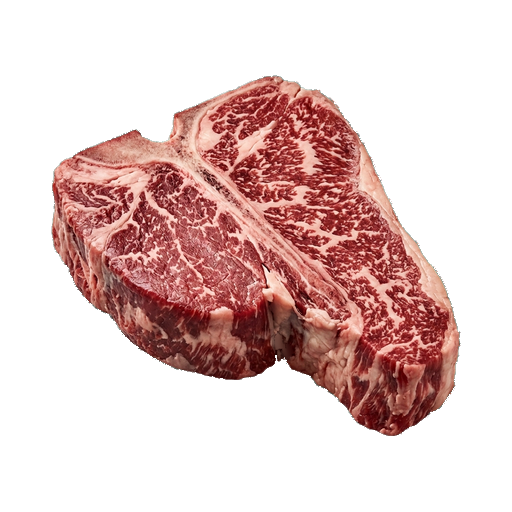
Marbled beef is meat with evenly distributed fat that creates a characteristic pattern resembling marble. This structure makes the meat juicy, tender, and flavorful when cooked, as the fat melts during heat treatment and permeates the fibers. For dishes requiring high quality and minimal processing — steaks, roast beef, or grilled meat — it is an optimal choice. However, it's worth noting that such meat is more expensive than regular beef and requires caution during cooking to avoid drying it out.
About
Marbled beef is meat with thin streaks of fat that run through the muscle tissue. These fat marbling resembles a marble pattern, which is where the name comes from. These streaks are what make this meat special: it cooks faster, stays juicy, and develops a deep, rich flavor when cooked properly.
Taste and texture
Fat distributed throughout the meat melts when heated and literally saturates the fibers, creating a tender, almost melting texture. Such meat tastes sweeter and softer than regular beef. The aroma becomes more intense during cooking due to the interaction of proteins and fats — resulting in that very attractive smell of a well-seared steak.
How to cook
Marbled beef forgives cooking mistakes thanks to its intramuscular fat. Even if you overcook the steak by a couple of minutes, it won't dry out. This makes it ideal for home cooking, where experience with premium meat is not always available.
- Pan-seared steak — quickly sear over high heat until a crust forms, then cook to your desired doneness over medium heat
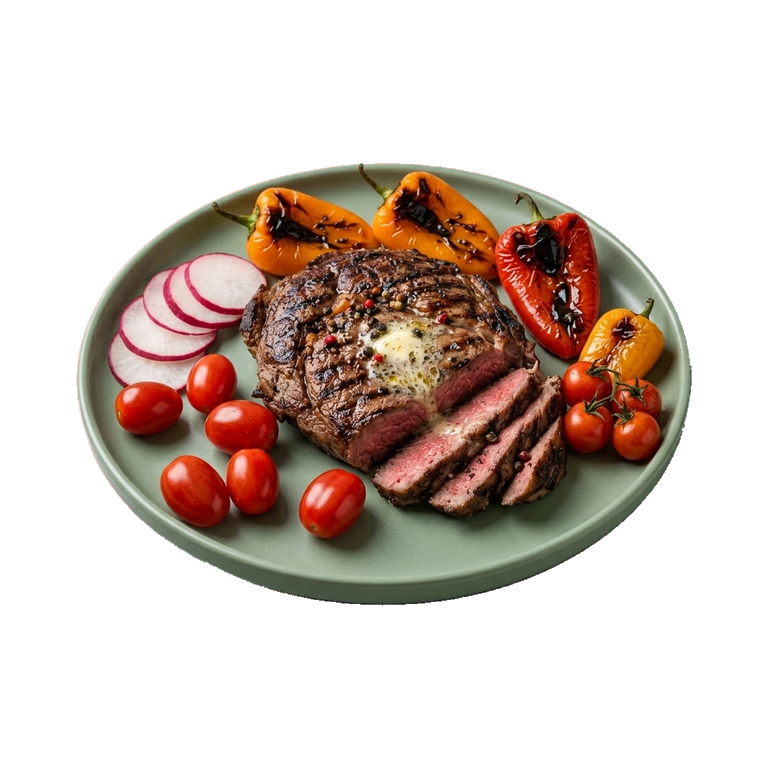
- On the grill — meat holds its shape well and develops beautiful grill marks
- In the oven — suitable for large cuts; start on the stovetop, then finish in the oven at 180–200 °C
- Minimal seasoning — salt, pepper, and a little oil are often enough to preserve the natural flavor of the meat
What it pairs with
Marbled beef shines in simple dishes where it remains the star of the plate. Serve it with grilled vegetables, potatoes, and fresh herbs. Butter with garlic and herbs is a classic choice for the final touch. Acidic sauces based on vinegar or citrus help balance the richness of the fat.
Selection and Storage
When choosing, look for meat with evenly distributed white fat lines across the entire surface. The color should be bright red, not brown. More marbled meat is more expensive, but it really cooks easier and tastes better.
- In the refrigerator — 3–4 days in an airtight container on the lower shelf
- In the freezer — up to 6–8 months; thaw in the refrigerator, not at room temperature
- Before cooking — let the meat sit at room temperature for 20–30 minutes so it cooks evenly
Marbled beef is an investment in pleasure. It costs more than regular meat, but every piece justifies the price with its tenderness and flavor. Even a simple pan-seared steak becomes a festive dish.
Nutrition
per 100 g
- Calories
- 250 kcal
- Protein
- 18 g
- Fat
- 19 g
- Carbs
- 0 g
Measure calculator
- Weight
- 100 g
- Calories
- 250 kcal